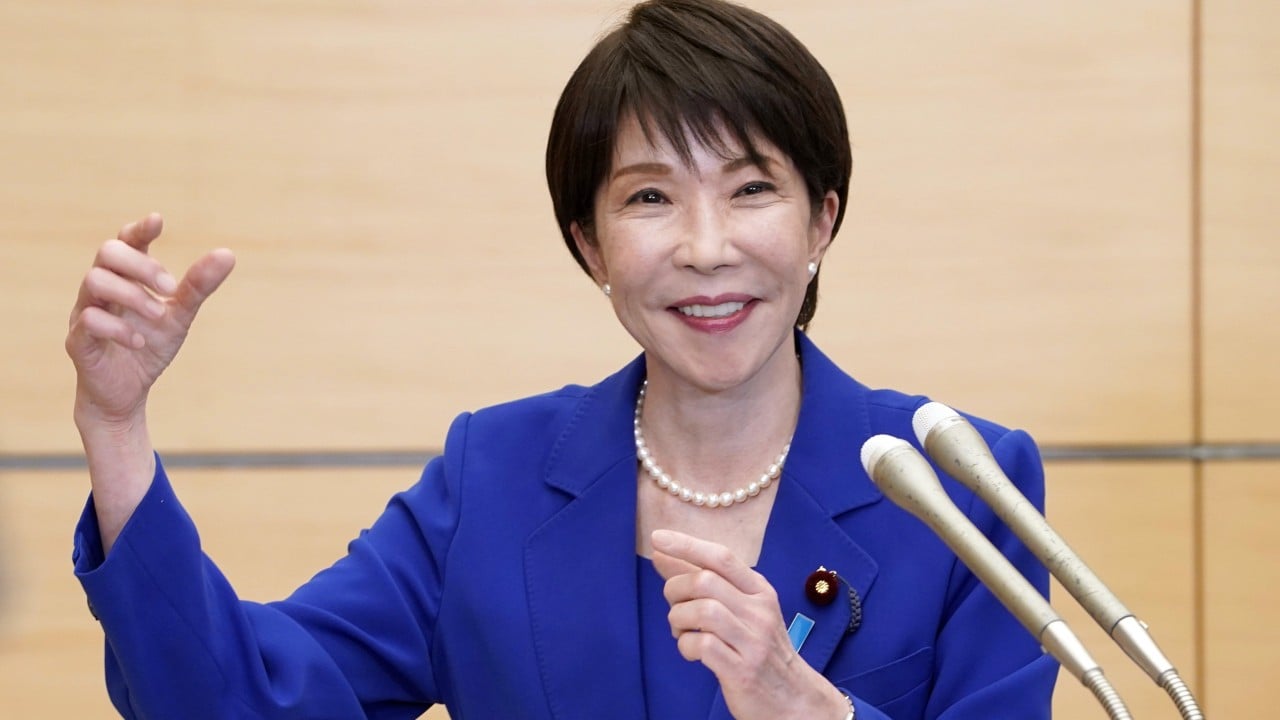
Sanae Takaichi stormed into power as Japan's first female prime minister by breaking every conventional rule in the book. She rode a wave of youth-driven "Sanakatsu" fever and a historic February 2026 lower house landslide that netted her party a commanding two-thirds supermajority.
Voters loved her unvarnished style. They cheered when she stood firm against foreign pressures and projected an image of unfiltered strength.
Yet, governing Japan isn't about winning popularity contests on social media. As Takaichi enters her second year in office, the honeymoon phase is officially over. Support ratings have dipped below the 50 percent mark for the first time, dragged down by public frustration over persistent price hikes, economic friction, and political scandals.
The real question isn't whether the public finds her charming anymore. It's whether she can actually keep her grip on a notoriously cutthroat Liberal Democratic Party that has never quite known what to do with her.
The Loneliness of the Long-Distance Conservative
If you want to understand why Takaichi's grip on the LDP is more precarious than her public image suggests, look at her power base. Or rather, look at the lack of one.
Traditional Japanese prime ministers rely heavily on powerful factional bosses, backroom deals, and the intricate social machinery of party politics. Takaichi doesn't play that game. She has long operated as an ideological outsider within her own party, relying on her personal rapport with voters rather than a loyal army of factional heavyweights.
That strategy works brilliantly when approval ratings sit comfortably above 70 percent. When numbers slip, however, those missing party alliances suddenly turn into a glaring vulnerability.
Political analysts in Tokyo point out that her independent streak leaves her isolated when crises hit. When cabinet members stumble or scandals flare up—such as recent vote-buying claims involving lawmakers—she lacks the deep-seated institutional insulation that protected her predecessors.
Riding the Tiger of Public Expectations
Voters backed Takaichi because she promised aggressive fiscal policy, national security reform, and an unapologetic defense of Japanese interests abroad. Her handling of high-stakes diplomacy, including talks with US leaders and sharp countermeasures against Chinese trade restrictions, won over hardline nationalists.
Yet, ordinary citizens living through rising living costs care less about geopolitical posturing and more about their grocery bills.
The Bank of Japan's interest rate hikes to multi-decade highs have complicated the financial environment. Meanwhile, delays in rolling out effective relief packages for high prices have begun eroding her core support.
When you build your entire political capital on being a populist icon who gets things done immediately, any delay feels like a betrayal to the electorate.
Can the LDP Machine Tolerate an Outsider?
The LDP has a historic knack for chewing up leaders who threaten internal stability. If Takaichi's public support continues to slide, the party's internal barons won't hesitate to pull the rug out from under her.
She faces a tightrope walk. She must deliver tangible economic relief to appease everyday workers without abandoning the staunch conservative principles that got her elected in the first place. At the same time, she needs to mend fences within a party structure that has always viewed her as a maverick.
Her political survival depends entirely on whether she can pivot from being an electoral phenomenon to a pragmatic institutional manager. If she fails, her historic rise will be remembered as a brief, brilliant anomaly in Japan's long political timeline.



