Saudi Arabia thought it had left the Yemen quagmire behind. Crown Prince Mohammed bin Salman spent years trying to unwind an eleven-year military intervention so he could focus on transforming the kingdom into a global tourist and investment hub. Giga-projects, high-profile concerts, and international sports events were supposed to define the new Saudi century.
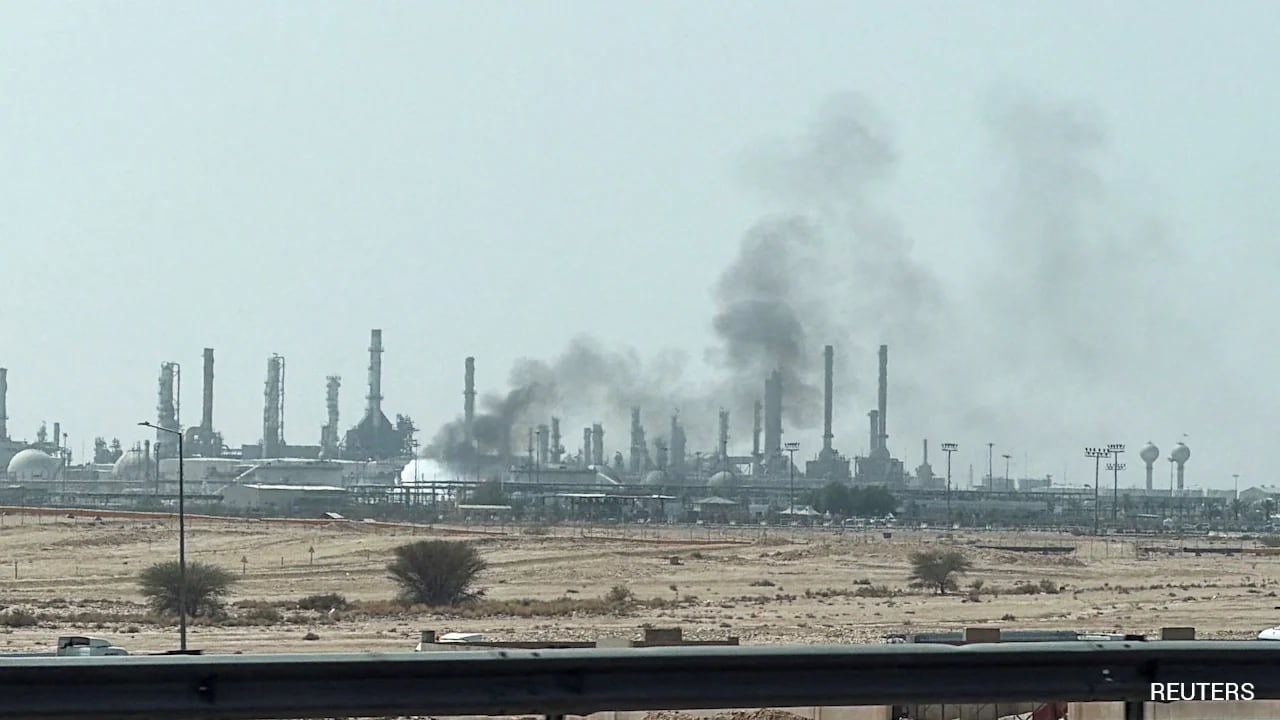
Instead, Houthi drones and missiles are striking Riyadh airports and oil facilities once more.
The kingdom's return to active combat isn't bad luck. It is the direct result of strategic miscalculations, a fractured coalition, and a shifting geopolitical landscape that left Riyadh exposed on its southern border.
The Fractured Alliance With the UAE
For years, Riyadh and Abu Dhabi fought shoulder-to-shoulder against the Houthi movement. That partnership fractured over competing visions for Yemen's future. The United Arab Emirates backed the Southern Transitional Council, a faction pushing for an independent southern state. Saudi Arabia strongly opposed any partition of Yemen.
The breaking point arrived when Saudi warplanes attacked a shipment of Emirati military vehicles intended for the STC.
Abu Dhabi pulled its forces out immediately. There was no orderly handover of command centers or defensive infrastructure. Emirati forces left behind an organized operational vacuum that the Saudi military failed to fill. Local Yemeni officials warned that Riyadh had no working system ready to manage the abandoned territory.
Misjudging the Houthi Response
The situation deteriorated rapidly after the wider regional conflict involving the US, Israel, and Iran. Following the death of Iran's Supreme Leader Ayatollah Ali Khamenei, Tehran flew Houthi leadership to regional funerals on a flight that violated Saudi air restrictions.
Riyadh tried to block the movement by launching airstrikes against the Houthi-controlled Sanaa airport.
That single move shattered the fragile truce. The Houthis immediately declared an end to their ceasefire with Saudi Arabia, slapped a blockade on Saudi shipping lanes, and seized critical terrain near the Bab al-Mandeb Strait. When Houthi drones started slamming into Saudi oil infrastructure, the kingdom retaliated with hundreds of airstrikes, sliding right back into full-scale war.
Analysts like Ahmed Nagi from the International Crisis Group point out that Riyadh simply failed to prepare for a renewed Houthi offensive. Without real coordination among the fragmented local factions inherited from the UAE, Saudi defensive lines buckled.
The Illusion of Reliable US Security
Another miscalculation involved Washington. Riyadh signed a fresh defense pact and secured Major Non-NATO Ally status, expecting ironclad American backing.
When Crown Prince Mohammed bin Salman urged Washington to strike the Houthis directly, the response was a polite refusal. The White House chose instead to pursue separate talks with the Houthis in Oman to preserve a narrow US shipping safety agreement. Washington let commercial vessels pass while leaving Saudi Arabia to absorb the military blow alone.
Realizing reliance on traditional allies had limits, Riyadh started scrambling for alternative security arrangements.
Building a New Defense Architecture
Saudi leadership is now pursuing regional partnerships to plug the security gap. Crown Prince Mohammed traveled to Cairo to coordinate with Egyptian President Abdel Fattah el-Sisi and hosted Emirati officials in Riyadh to mend fences.
France and Britain have stepped in with military assets, refueling support, and over a hundred advisers on the ground. Meanwhile, Saudi Arabia, Turkey, and Pakistan activated the Mecca Joint Defence Agreement to align defensive measures.
Yet, as security experts note, territorial gains mean nothing if local government forces cannot maintain ground control. Riyadh faces a difficult choice. It must fix internal coalition friction and unify military command before regional ambitions can resume safely.