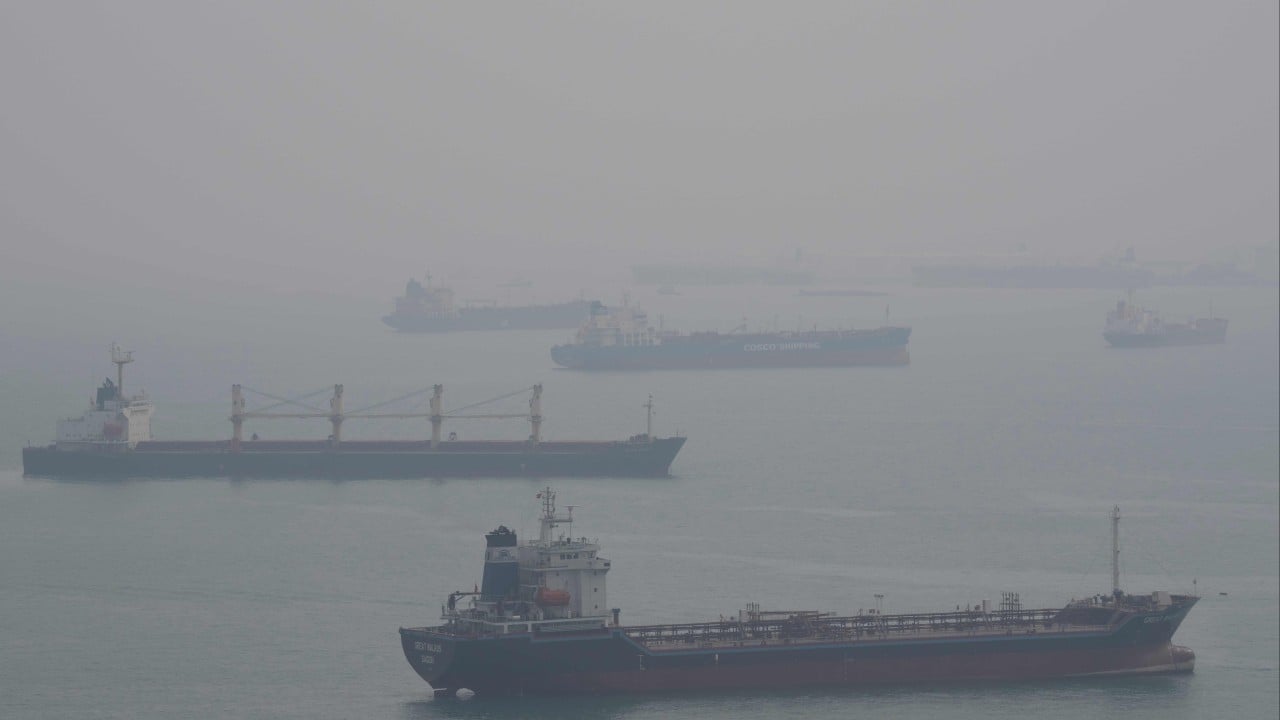
Every few years, the skies over Southeast Asia turn a sickly shade of yellow. The Pollutant Standards Index spikes, schools hand out N95 masks, and politicians exchange polite diplomatic notes about regional cooperation.
Then, everyone goes back to waiting for the wind to change.
Singapore's recent move to serve enforcement notices to seven companies linked to land-clearing fires in Sumatra feels different. For decades, the city-state relied on the quiet, polite consultative norms of the Association of Southeast Asian Nations. But when air quality indices creep past 200 and residents start sealing their windows, patience wears thin.
Singapore is signaling that it's ready to use the full weight of its domestic statutes, specifically the Transboundary Haze Pollution Act of 2014, to target corporate actors directly. But does this tougher posture actually change anything on the ground, or is it just political theater designed for an anxious domestic audience?
The Limits of Regional Politeness
To understand why this moment matters, you have to look at how Southeast Asia traditionally handles environmental disputes. The ASEAN Agreement on Transboundary Haze Pollution, signed back in 2002 and ratified by Indonesia much later in 2014, relies on consensus and non-interference.
That diplomatic framework sounds great in theory. In practice, it means member states avoid pointing fingers at each other's domestic economic policies. Indonesia views forest fires and land clearing as internal sovereignty matters. Neighboring countries like Singapore and Malaysia bear the toxic cost of those fires when the southwest monsoon shifts direction.
Decades of polite dialogue failed to stop the annual burning cycle. Indonesian smallholders and massive plantation firms alike kept using fire as the cheapest tool for land preparation. When the air turns toxic, speeches about regional solidarity do not filter PM2.5 particles out of a toddler's lungs.
Targeting the Balance Sheet Instead of the Border
Singapore's 2014 Transboundary Haze Pollution Act was built for a moment like this, even if authorities hesitated to deploy it aggressively for years. The law carries extraterritorial reach. It allows Singaporean courts to penalize entities that cause or contribute to haze pollution within Singapore, regardless of whether the burning happened across the Malacca Strait.
When the Ministry for Sustainability and the Environment issues preventive notices to companies linked to fires, it changes the game in two ways:
- Financial Exposure: Many of these plantation conglomerates have corporate headquarters, bank accounts, or parent entities anchored in Singapore's financial ecosystem.
- Legal Accountability: Serving notices forces corporate leadership to respond or face steep fines and executive prosecution if they step into Singapore jurisdiction.
Legal experts point out that cross-border enforcement is tricky. Indonesia remains protective of its sovereign jurisdiction, and aggressive legal moves can trigger diplomatic friction. Yet, targeting corporate bank accounts and supply chain financiers is far more effective than asking Jakarta to police remote tracts of Kalimantan and Sumatra on its own.
Money talks louder than diplomatic communiques. If a Singapore-financed agribusiness realizes that an open-burning shortcut leads directly to frozen assets or corporate liability, the financial calculus shifts instantly.
What Happens Next
If you're wondering whether this marks a permanent turning point, look at how enforcement plays out over the next twelve months. Issuing notices is easy. Extracting compliance, collecting fines, and forcing plantation giants to adopt zero-burning technologies requires relentless, unglamorous legal follow-through.
Singapore cannot afford to back down now. Public expectation is too high, and the health costs of recurring smoke are too severe. Citizens aren't looking for more warnings; they want proof that corporate boardrooms feel the sting of toxic air just as much as the people breathing it.
Expect more friction between corporate legal teams and regional regulators. The era of quiet tolerance for transboundary smoke is closing.



