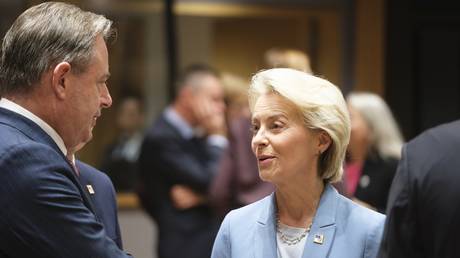
Diplomatic relations rarely shatter over a single sentence, but words matter when you are dealing with clandestine prisoner transfers. South Korea has officially recalled its ambassador to Ukraine, Park Hee-chang, following an escalating dispute triggered by an unexpected public disclosure.
If you are wondering why a quiet prisoner exchange exploded into a high-stakes diplomatic rift between Seoul and Kyiv, it all comes down to broken trust, secret agreements, and political optics on the world stage.
The Speech That Started the Fire
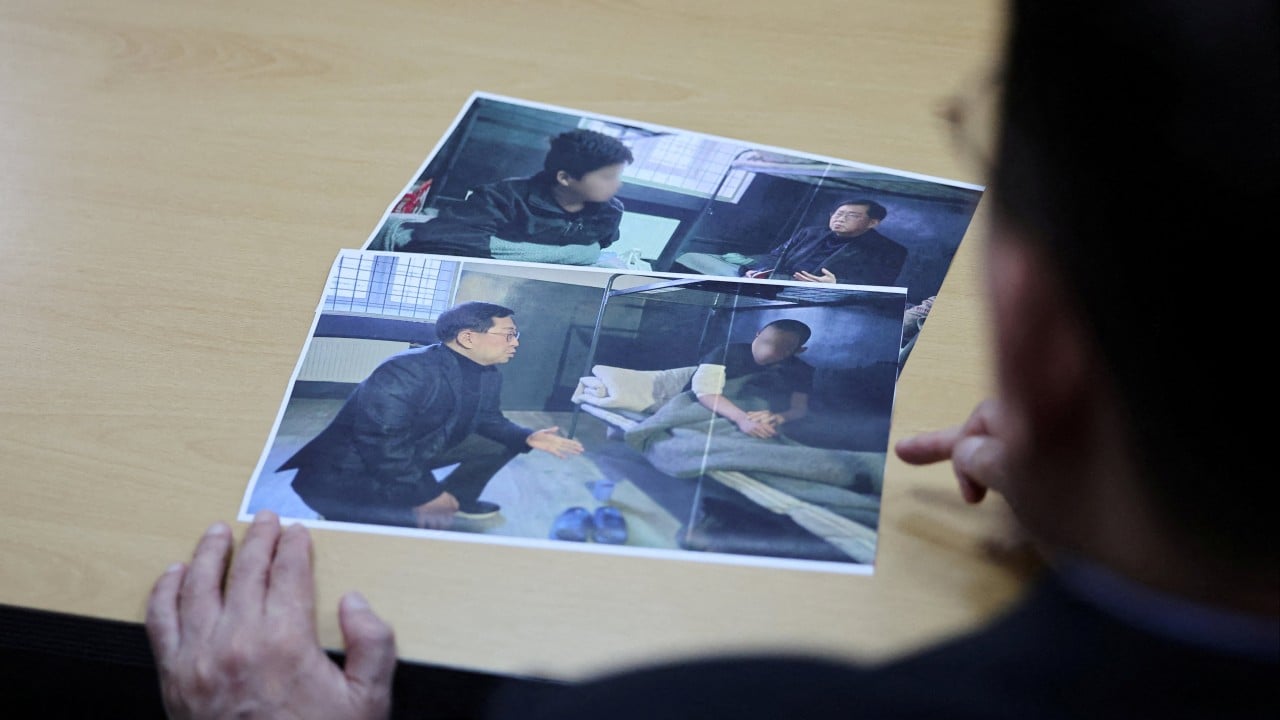
The friction began on September 23 during the United Nations General Assembly in New York. Ukrainian President Volodymyr Zelenskyy took the podium and publicly revealed that Ukraine had secretly transferred two North Korean prisoners of war to South Korea. These soldiers had been captured by Ukrainian forces during fighting in Russia's Kursk Oblast back in 2025.
For Kyiv, highlighting the transfer was a way to showcase transparency and human rights compliance to western allies. For Seoul, however, it was a massive breach of protocol.
South Korean officials immediately accused Kyiv of violating a strict, pre-arranged confidentiality agreement. According to Seoul's intelligence agency, Ukraine had originally requested that the operation remain completely secret. The logic was simple: keeping the transfer quiet protected the lives of the captured soldiers and their families who still reside in North Korea.
When Zelenskyy broke that silence on a global stage, South Korean President Lee Jae-myung didn't hold back. He openly criticized the move, arguing that a public announcement exposed vulnerable individuals to unnecessary danger and crossed a red line in bilateral cooperation.
Why Seoul Rejected the Apology
Diplomacy has its own grammar of amends. When a partner steps out of line, an apology is usually the first step toward mending fences. But not all apologies hit the mark.
Following Seoul's sharp protests, Ukrainian Foreign Minister Andrii Sybiha offered an apology, calling the incident a diplomatic misunderstanding. Ukrainian officials also pushed back on the existence of a formal binding non-disclosure pact, complicating the narrative.
South Korean Foreign Minister Cho Hyun made it clear that the response fell woefully short of expectations. Seoul wanted an explicit acknowledgement of a broken confidentiality agreement and an unreserved public apology that cleared President Lee of being portrayed inaccurately. Instead, they got defensive maneuvering.
Recalling an ambassador is one of the strongest diplomatic protests a country can make short of severing ties entirely. It signals that routine channels are no longer functioning and that a hard reset is required.
The Broader Geopolitical Friction
This prisoner of war dispute didn't happen in a vacuum. It collided with existing tensions regarding trade, fuel shipments, and strategic alignment.
Earlier in the year, data surfaced regarding seaborne fuel product movements intersecting with sanctions policies, drawing sharp rhetoric from Ukrainian advisors. Seoul dismissed those criticisms as factually incorrect and inappropriate, especially given South Korea's financial commitments to Ukrainian reconstruction pledged at international summits.
When you mix high-stakes military intelligence, North Korean troop involvement in European conflicts, and differing domestic political pressures, minor miscommunications quickly turn into major diplomatic crises.
What Happens Next
Despite pulling the ambassador home for consultations, South Korea insists it still wants a smooth resolution. Diplomatic talks haven't completely stopped, but the ball is firmly in Kyiv's court to repair the damage.
Trust takes years to build and seconds to burn on a global broadcast. Until Kyiv addresses Seoul's core grievances regarding confidentiality and mutual respect, bilateral ties will remain on ice.
Take a close look at how international alliances operate under pressure. Behind every public speech at the UN lies a web of fragile agreements, and breaking them has immediate consequences.