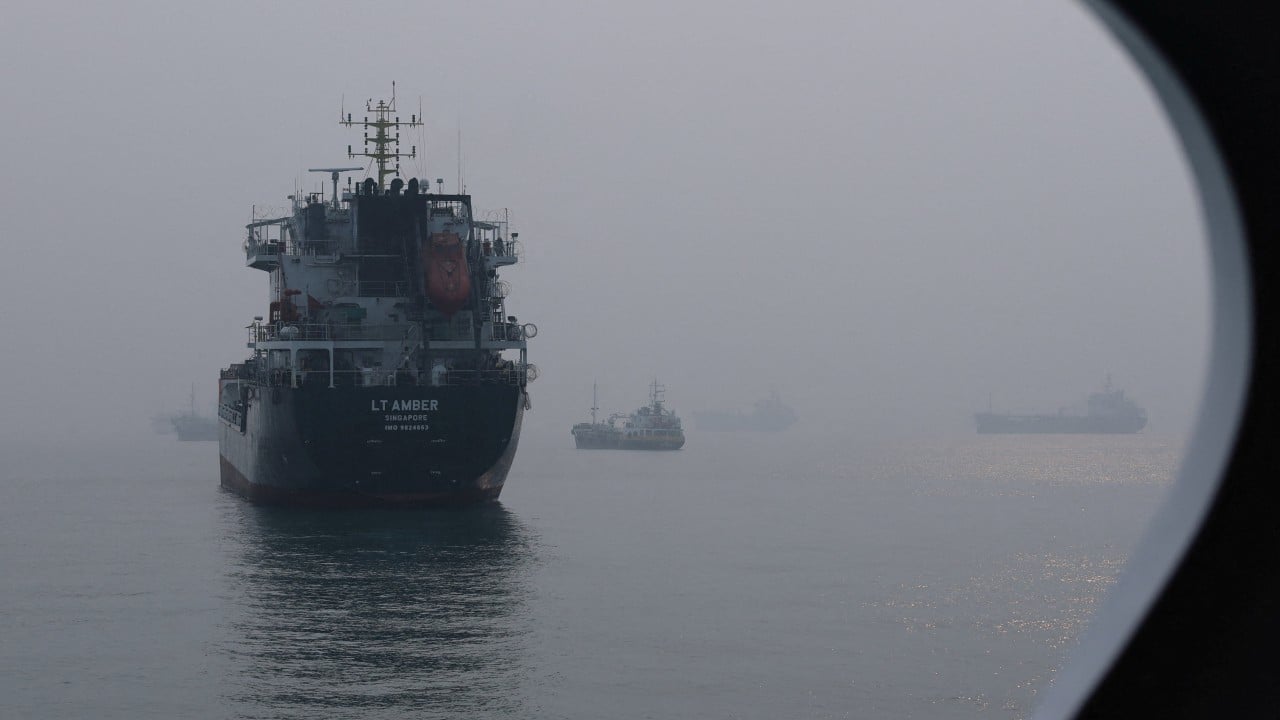
You wake up, look out the window, and see nothing. Just a thick, yellow-gray blanket hanging over the city. Your throat scratches, your eyes sting, and your phone flashes an air quality warning you've seen a dozen times before.
Here we go again.
The ASEAN Specialised Meteorological Centre just triggered its highest alert level for the southern region. That means Alert Level 3 is officially active. Fires burning across parts of Indonesia are pumping massive amounts of toxic smoke into the atmosphere, and regional winds are pushing that pollution straight across borders.
If you live in Singapore, Malaysia, or parts of Indonesia, this routine is painfully familiar. Every dry season brings the exact same crisis. Forests burn, air quality plummets, schools shut down, and millions of people reach for N95 masks they hoped they wouldn't need to wear again.
The Mechanics Behind Alert Level 3
Most people don't realize how the regional monitoring system actually works. The ASMC uses a four-tier scale running from zero to three. Hitting the top tier isn't a casual warning. It requires specific, alarming conditions to line up simultaneously.
You need persistent dry weather, an explosion of hotspots showing intense fire activity, and predictable wind patterns carrying dense smoke plumes toward neighboring countries for two or more consecutive days. When all those boxes check out, the system sounds the alarm.
This isn't even the first time this year. Similar high-level warnings went out in March and August. The recurrence points to a deeper, systemic failure in land management and fire prevention that diplomacy alone hasn't fixed.
Why Traditional Prevention Keeps Failing
Governments love holding summits, signing agreements, and promising zero-burning policies. But ground realities look very different. Smallholders and large commercial plantation companies often find that clearing land with fire remains the cheapest, fastest method available.
When dry conditions set in, underground peat fires ignite. Peat is basically ancient organic matter packed tightly into soil layers. Once it catches fire, it burns beneath the surface, resisting normal rainfall and throwing off stubborn smoke that lingers for weeks. You can't just put it out with a garden hose. It requires massive water bombing and coordinated digging operations.
Singapore authorities recently announced they are issuing formal warnings to seven Indonesian companies linked to the fires. It is a necessary step, but naming and shaming rarely stops the flames when economic incentives favor clearing land quickly.
What This Means for Everyday Life
Living through a severe transboundary haze event changes daily routines overnight. Outdoor exercise stops. Air purifiers hum constantly in living rooms and offices. Children stay indoors during recess.
For vulnerable populations—especially people with asthma, heart conditions, or respiratory illnesses—the toxic air poses a direct health threat. Emergency rooms see predictable spikes in patient admissions whenever the smoke settles over urban centers.
The psychological toll matters just as much. There is a deep, lingering frustration that comes with watching regional air quality deteriorate year after year due to preventable land clearance practices. You feel helpless when the air you breathe is dictated by fires burning hundreds of miles away.
Moving Past the Endless Cycle
Fixing the haze crisis requires shifting away from reactive warnings and toward aggressive accountability. Governments need to enforce strict penalties on corporate entities that fail to secure their concessions against fires. Supply chain transparency matters, too. If international brands refuse to buy palm oil or paper pulp from suppliers linked to burning, the financial incentive vanishes overnight.
Until those economic realities shift, expect more red alerts, more indoor days, and more choking smoke on the horizon.
Check your local air quality index daily, keep spare filters ready for your air purifiers, and keep your masks handy. The season isn't over yet.