When the lights go out across an entire country at noon, you know something fundamental is broken. Sri Lanka recently suffered a severe islandwide power outage that plunged millions into darkness for over three hours, bringing mobile networks, internet connectivity, and vital water supplies to a grinding halt. It is the kind of abrupt infrastructure failure that rattles public confidence instantly.
If you live through these recurring grid collapses, you stop trusting official timelines. You keep emergency lamps charged and water buckets filled.
So why does the national power grid keep buckling under pressure? Let's look past the surface explanations and examine what actually happened during this latest blackout, and why vulnerability remains baked into the system.
The Anatomy of a Nationwide Blackout
The disruption struck suddenly around midday, halting commercial hubs and residential neighborhoods alike. Water boards immediately issued warnings, urging citizens to conserve whatever reserves remained in their tanks because pumping stations cannot run without stable voltage. Mobile and internet networks experienced sudden signal drops as backup generator cells at telecom towers began to drain.
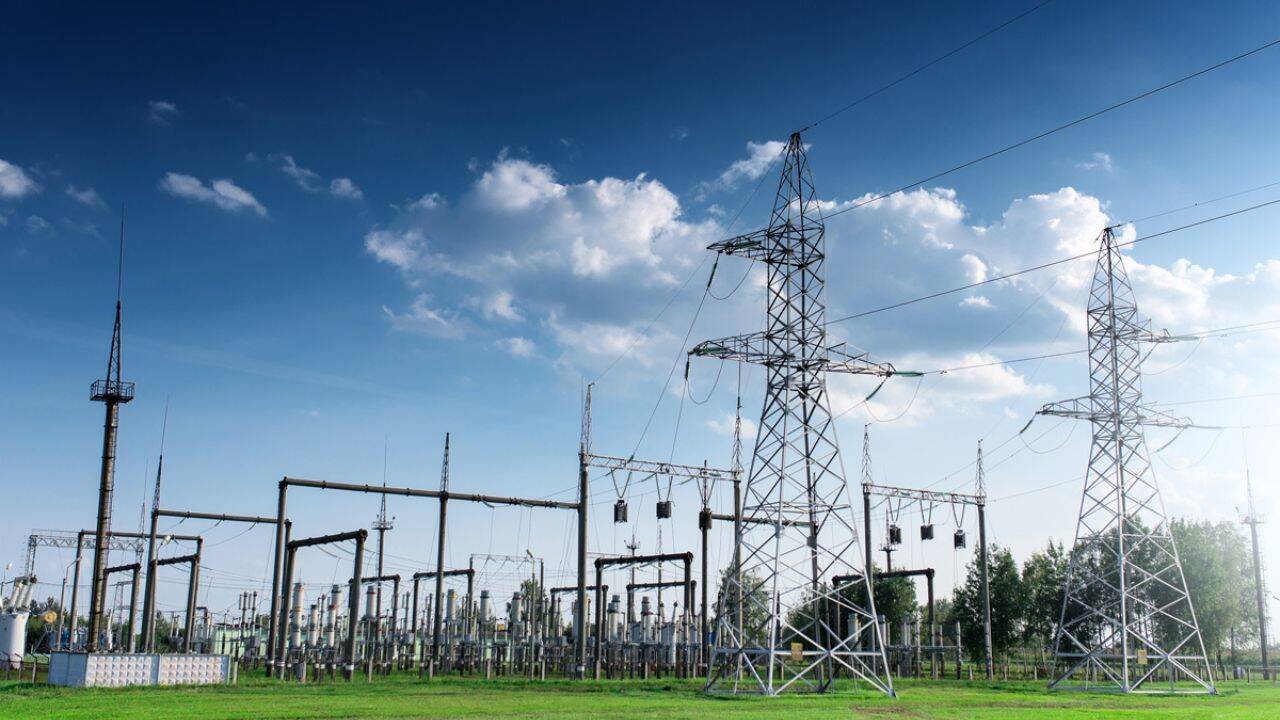
Power officials scrambled to restore electricity in stages, but the sheer scale of the outage exposed how fragile the transmission lines and generation assets are. When a central network loses balance, safety mechanisms trip automatically to protect heavy equipment from catastrophic frying. Unfortunately, those very tripwires leave entire populations stranded offline.
The Hydropower Vulnerability
Government statements pointed an immediate finger toward the central hill country, where a failure at a major hydropower station had been detected just a day prior. Hydropower generation sits at the heart of Sri Lanka's energy mix, making the grid heavily dependent on seasonal rainfall and stable turbine performance.
When a critical hydro facility stumbles, the shockwaves travel fast across the interconnected transmission web. Think of it like a massive highway system where a sudden bridge collapse in the mountains brings every lane in the coastal lowlands to a standstill. If generation dips unexpectedly and backup thermal plants fail to pick up the slack within seconds, frequency drops trigger a cascade of shutdowns.
Rooftop solar owners also found themselves caught in the crossfire. Utility operators quickly urged decentralized solar producers to disconnect their systems from the main network. Without smart anti-islanding protections functioning perfectly during a major fault, feeding decentralized energy into a dead grid risks injuring line workers who are trying to fix damaged transformers.
Why Fixing the Grid Is Harder Than It Looks
Modernizing a national grid requires capital, engineering precision, and uninterrupted political focus. Sri Lanka's energy sector has faced acute economic turbulence over recent years, impacting routine maintenance schedules, equipment imports, and long-term infrastructure upgrades.
When utilities operate on tight budgets, preventative maintenance often takes a backseat to emergency repairs. Aging transformers, corroded switchyards, and outdated load-balancing software leave the system vulnerable to minor technical glitches that snowball into national crises.
Furthermore, integrating renewable sources like solar and wind adds immense complexity to frequency control. Traditional coal and oil generators provide heavy rotational inertia that helps stabilize grid frequency. As grids shift toward renewables without adequate battery storage or smart-grid automation, managing sudden supply fluctuations becomes an uphill battle for engineers on duty.
What Needs to Change Right Now
If authorities want to stop these multi-hour blackouts from becoming an accepted part of daily life, piecemeal fixes won't cut it.
- Upgrade Protection Relays: Modernize automated isolation protocols so localized faults do not cascade into nationwide failures.
- Invest in Battery Storage: Pair renewable installations with grid-scale storage to smooth out generation dips instantly.
- Transparent Communication: Provide immediate, honest technical breakdowns to the public rather than vague statements about pending investigations.
Reliable electricity isn't a luxury. It forms the backbone of modern survival, healthcare, and commerce. Until systemic grid modernization gets the urgent funding and execution it demands, Sri Lanka's power stability will remain suspended by a thread.