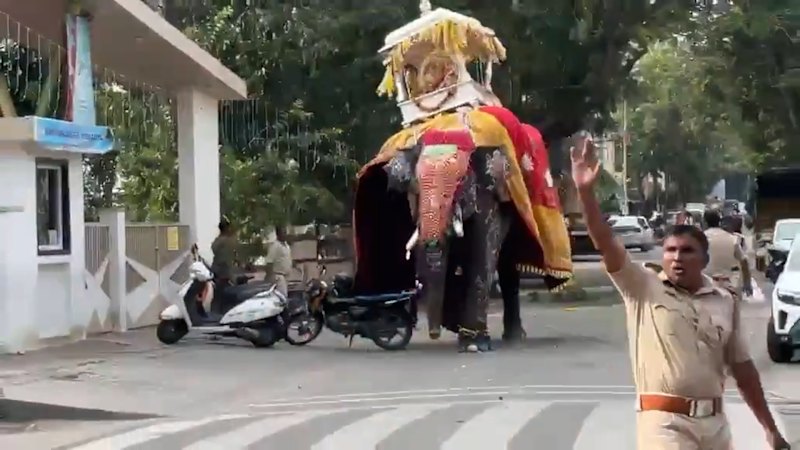
An elephant carrying a 650kg sacred gold shrine can instantly transform a peaceful religious procession into sheer chaos. When a captive temple elephant runs amok, the results are terrifying for crowds and wildlife advocates alike. It is a stark reminder of the volatile reality behind traditional animal spectacles.
You see headlines about rampaging pachyderms every festival season. But why do these massive animals snap under pressure? Let's look at the underlying triggers, the welfare concerns, and what needs to change.
The Breaking Point of Captive Giants
Elephants are not built for loud noises, flashing lights, and dense crowds. Yet, festival organizers routinely subject them to sensory overload.
Imagine carrying a heavy golden structure through throngs of cheering people while fireworks explode overhead. For a sensitive animal with acute hearing, the environment is intensely stressful. When fear and exhaustion peak, the fight-or-flight response takes over.
Captive temple elephants often endure long hours of chaining, inadequate diets, and harsh handling. By the time a festival arrives, the animal's stress bucket is already full. A single dropped firecracker or a sudden movement by a spectator is enough to trigger a dangerous rampage.
The Heavy Price of Tradition
Tradition often clashes directly with animal welfare. In many regions, temple elephants symbolize prestige, wealth, and religious devotion. Owning or leasing a magnificent tusker brings status to a temple trust.
Unfortunately, this prestige comes at a severe cost to the animal.
- Physical Toll: Standing on asphalt for hours under a blazing sun ruins their footpads, leading to chronic infections and joint pain.
- Psychological Damage: Isolation from natural herds causes severe distress. Stereotypic behaviors like swaying and head-bobbing are classic signs of captive psychosis.
- Public Danger: When a stressed elephant panics, hundreds of festival-goers find themselves in the path of a multi-ton animal with nowhere to run.
Breaking the Cycle
Protecting both human lives and animal welfare requires a shift in mindset. You cannot force wild animals into urban celebration zones without risking disaster.
Animal rights organizations have pushed for years to ban the use of live elephants in crowded processions. Instead, temples can use realistic mechanical replicas, floats, or digital projections. Several progressive cultural groups have already made the switch, proving that devotion doesn't require animal suffering.
If you care about wildlife preservation, support sanctuaries that rescue abused captive elephants. Demand stricter enforcement of animal welfare laws during festival seasons.
Tradition should honor life, not endanger it.


-1667889754284.jpg)
