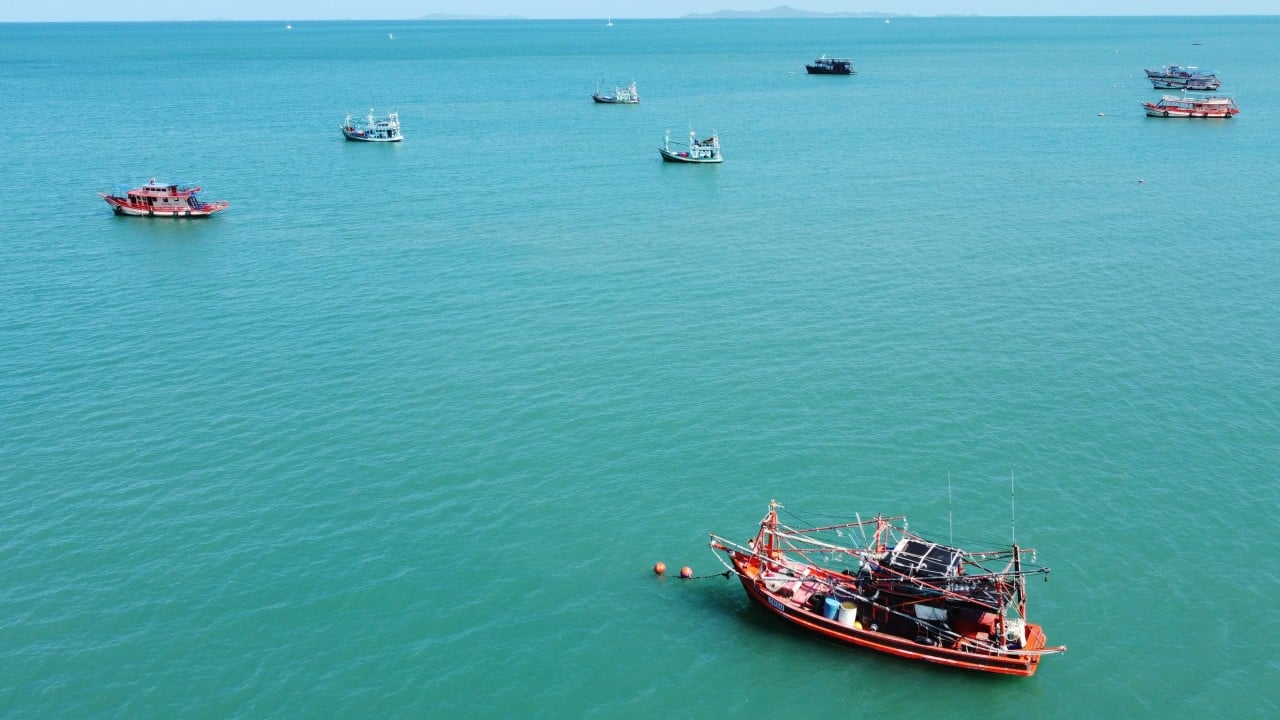
You’d think neighboring countries sharing a massive energy jackpot would just split the bill and start drilling. But in the Gulf of Thailand, a 27,000-square-kilometer patch of ocean known as the Overlapping Claims Area (OCA) has turned into a diplomatic minefield worth an estimated US$300 billion in oil and natural gas.
Both Bangkok and Phnom Penh want the wealth lying beneath the seabed, yet domestic politics, nationalist pride, and decades of conflicting legal interpretations keep them deadlocked. Recently, Cambodia took the bold step of invoking UN-backed compulsory conciliation under the United Nations Convention on the Law of the Sea (UNCLOS).
If you're wondering why this maritime feud suddenly escalated and what it means for regional stability, let's break down the realities behind the headlines.
Understanding the Overlapping Claims Area
The core of the conflict isn't just about lines drawn on old nautical charts. It's about fuel and future security. The OCA exists because Thailand and Cambodia drew conflicting maritime boundaries back in the 1970s. Thailand used a baseline method that claimed a large slice of the gulf, while Cambodia drew its own lines extending outward from its coastline.
Right where these claims intersect lies a massive cache of natural gas and oil reserves. For Cambodia, tapping these resources could transform its energy sector, reduce heavy dependence on imported fuels, and fuel industrial growth under Prime Minister Hun Manet's administration. For Thailand, securing these reserves is just as vital to maintain long-term energy independence as domestic fields in the Gulf of Thailand slowly deplete.
Why Bilateral Talks Stalled Out
For years, bilateral negotiations went nowhere because politicians on both sides are trapped by domestic optics. If a Thai politician agrees to give up a single square kilometer of maritime territory, domestic nationalist groups scream surrender.
Similarly, Phnom Penh uses the sovereignty narrative to rally public support and establish international legitimacy. When domestic survival depends on looking tough on territorial claims, compromise becomes politically toxic.
This is why Cambodia decided to bypass purely bilateral friction and internationalize the process through UNCLOS mechanisms. By leaning on independent international experts and legal frameworks, Cambodia wants to put pressure on Bangkok to negotiate seriously without risking a military flare-up.
The Reality of UN-Backed Conciliation
Don't expect the UN to wave a magic wand and redraw the map overnight. The compulsory conciliation process initiated by Cambodia relies on an independent panel of experts to review technical and legal arguments and issue recommendations.
Here is the catch: these findings aren't legally binding.
Thailand isn't forced to hand over territory or accept a split it hates. Instead, the process forces both governments back to the negotiating table under international observation. Bangkok has its own procedures to follow, including appointing its own conciliators. If Thailand stonewalls or rejects unfavorable recommendations, the dispute risks lingering in a diplomatic stalemate for years, keeping billions of dollars of energy locked away on the seabed.
The Most Practical Solution on the Table
Despite the posturing, neither country actually wants a conflict. The smartest way forward is a joint development area (JDA) framework.
Instead of arguing over who owns every inch of the seabed, governments throughout Asia have historically solved these messes by agreeing to split the revenue while shelving the final sovereignty debate for future generations. Think of it like two neighbors arguing over where a property fence sits while a chest of gold is buried right under the boundary line. You don't burn down the house; you dig it up together and split the cash.
Will political leaders in Thailand and Cambodia choose economic pragmatism over nationalist stubbornness? That remains to be seen. But as energy demands spike and regional competition intensifies, leaving $300 billion trapped underwater stops making sense very quickly.
Thailand vs Cambodia: The $300 Billion Oil War Goes to the UN
This video provides additional context on how the multi-billion dollar maritime dispute between Thailand and Cambodia reached the United Nations.
http://googleusercontent.com/youtube_content/1



