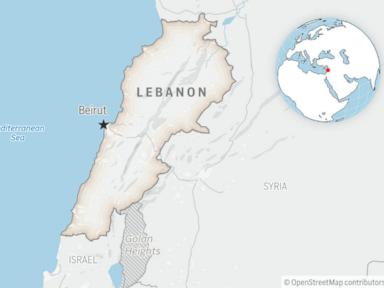
Sovereignty doesn't count for much when foreign intelligence units operate unchecked across your borders. Lebanon just launched a formal inquiry after a high-profile Syrian paramilitary figure was snatched from a mountainous area near Beirut and smuggled right back into Syria. It's a blatant security breach that exposes deep vulnerabilities in Lebanese state control and revives dark memories of cross-border extrajudicial grabs.
The target was Aly Kayali, better known by the alias Mihrac Ural. If that name doesn't ring a bell, think back to the darkest chapters of the Syrian civil war. Ural was the prime suspect behind the horrific 2013 massacres in the Sunni Muslim towns of Banias and Bayda, where Human Rights Watch documented the slaughter of at least 248 people. He was an ardent ally of ousted dictator Bashar al-Assad, commanding a pro-regime militia that terrorized civilians. When Assad's regime collapsed in December 2024, men like Ural became prime targets for justice.
Yet, how he ended up back in custody is where the geopolitical scandal begins.
How the Abduction Went Down
According to anonymous Lebanese security officials, members of Syrian and Turkish intelligence services carried out a brazen operation in Mansouriyeh, a town just outside Beirut. Lebanese authorities were completely kept in the dark.
Instead of going through official extradition requests or notifying local police, the operatives snatched Ural from the street, bundled him into the Syrian embassy in Lebanon, and quickly transferred him across the border. Syrian state news agency SANA trumpeted his arrest shortly afterward, prompting open celebrations among displaced Syrians and opposition survivors who spent over a decade waiting for accountability.
But Beirut isn't celebrating. They're investigating.
Why? Because foreign intelligence agencies running black-ops style kidnappings on Lebanese soil makes a mockery of national sovereignty. If foreign powers can abduct whoever they want from a Beirut suburb without informing the government, Lebanon's fragile security apparatus looks completely toothless.
The Broader Pattern of Cross-Border Renditions
This isn't an isolated incident. Cross-border snatches have a long, murky history in the Levant. Back in 2011, veteran Baath Party official Shibli al-Aysami was kidnapped in the Lebanese mountain town of Aley and disappeared into Syrian custody, never to be seen again.
More recently, Lebanon's judicial authorities have faced intense pressure regarding how they handle former Assad loyalists. Just last August, Lebanese courts handed a former senior Syrian military officer over to Damascus after brief questioning. But the latest operation involving Ural bypassed the judicial process entirely, raising alarms in political circles.
Dozens of former regime officials have faced trials in Syria since Assad's ouster, with figures like Assad's cousin and security official Atef Najib drawing death sentences, and Assad himself receiving one in absentia. The new authorities in Damascus, alongside regional partners like Turkey, are aggressively hunting down anyone tied to war crimes.
What Happens Next
Lebanon's inquiry faces steep hurdles. Intelligence services rarely leave clean paper trails, and unravelling how foreign agents operated undetected in Mansouriyeh will test the resolve of the Lebanese judiciary.
If Beirut lets this slide, it sets a dangerous precedent. Foreign states will continue treating Lebanese territory as a revolving door for covert operations. Security officials know they have to draw a hard line, even while dealing with a notorious war criminal whom few are shedding tears over.
Accountability for mass atrocities matters. But so does the rule of law. Lebanon's investigation will show whether the state still retains any authority within its own borders, or if it remains entirely at the mercy of its neighbors' intelligence games.



