Hate doesn't start with a bullet. It starts with words, online forums, and an unchecked drift toward extremism that people brush off until it's too late. When law enforcement intercepted a mass shooting plot targeting a Hindu temple in Aurora, Illinois, it wasn't just a close call. It was a glaring wake-up call about where anti-Indian sentiment and white supremacist ideology are actually leading in America.
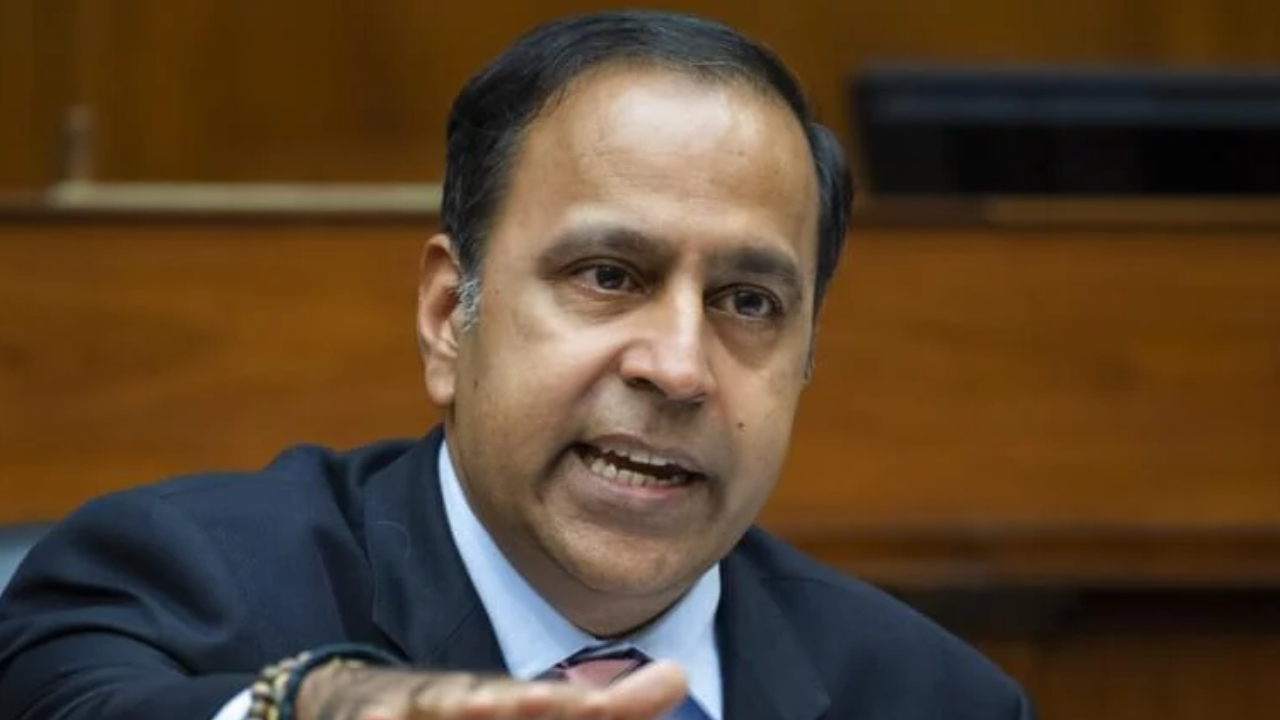
US Representative Raja Krishnamoorthi didn't mince words after the arrest. He pointed straight at the escalating danger of anti-Indian hatred, warning that society cannot afford to wait until innocent bodies pile up before taking these threats seriously.
Let's look at what actually happened, why it matters right now, and what needs to change.
Inside the Aurora Temple Plot
The details emerging from law enforcement paint a chilling picture. The Palatine Police Department received a tip from the Mount Prospect Police Department on October 11 regarding electronic communications sent by 19-year-old Alexandros Paporakis.
Investigators discovered a document detailing a planned mass shooting at a Hindu temple in the Aurora area. Paporakis hadn't just typed out vague angry rants. He circulated images of a rifle, loaded ammunition magazines, body armor, and tactical gear.
The FBI examined a manifesto attributed to the suspect titled "Why I Fought: A K A: (Aurora Shooter's Manifesto)." The text overflowed with white supremacist ideology, specifically targeting people of South Asian heritage and individuals of Indian descent. Detectives believe the attack was primed to happen on October 11, prompting local police to urgently warn Hindu places of worship across their jurisdiction.
Police arrested Paporakis as he left his residence. A search of his home yielded a rifle, hundreds of rounds of ammunition, and a tactical vest equipped with body armor and a patch bearing white supremacist symbols. He now faces a Class X felony charge for making a terrorist threat alongside unlawful weapons possession, and a judge ordered him held in custody following a detention hearing.
Why Lawmakers Are Speaking Out
Politicians usually stick to sanitized talking points when crises hit. Not this time. Krishnamoorthi's warning cuts through the usual bureaucratic noise because it addresses a blind spot in how modern hate crimes are perceived.
For years, anti-Asian hate in the US was frequently framed exclusively through the lens of East Asian targeting during the pandemic. South Asian communities, and Hindu Americans in particular, face a unique cocktail of xenophobia, religious intolerance, and online radicalization that flies under the radar.
When a teenager can sit at home drafting a manifesto about slaughtering worshippers at a temple, it proves that online echo chambers are translating digital venom into physical blueprints. Krishnamoorthi's insistence that we stop treating these threats as isolated incidents is an overdue reality check. Hate groups feed on public apathy. If communities and law enforcement wait for a tragedy to validate a threat, the system has already failed.
The Real Cost of Ignoring Extremism
We've seen this movie before. White supremacist radicalization thrives in plain sight on fringe message boards and gaming channels before spilling out into real-world violence.
- Online Radicals Are Getting Younger: Suspects like Paporakis are often digital natives who absorb violent ideologies long before they ever interact with traditional hate groups.
- Houses of Worship Are Soft Targets: Temples, Gurdwaras, mosques, and churches remain vulnerable because their core ethos is radical hospitality—anyone is welcome to walk through the doors.
- Reporting Saves Lives: The Aurora plot was thwarted because local departments communicated quickly and citizens flagged suspicious digital activity.
Ignoring the warning signs because a suspect "seemed quiet" or "was just posting online" is a luxury we no longer have. The manifesto found in this case proves that the intent to kill was fully formed.
What Needs to Happen Now
Condemnations after a foiled plot are fine, but they aren't preventative medicine. Law enforcement agencies need dedicated resources to track rising ethno-nationalist and white supremacist threats targeting South Asian communities.
At the same time, tech platforms must face real accountability for hosting the radicalization pipelines that turn disaffected youth into mass shooters. If a manifesto can be drafted and shared online without triggering automated safety flags, the infrastructure protecting the public is broken.
Take security seriously, fund intelligence sharing between local and federal agencies, and stop pretending that hate speech is harmless speech. The next plot might not get intercepted in time.