The Black Sea isn't just a body of water anymore; it's a floating gamble. When a missile or a strike hits a commercial cargo vessel outside territorial waters, the real story isn't just about geopolitics. It's about the vulnerable crews caught in the crossfire. Three Indian sailors—Sahil Sandhu, Ashwini Kumar, and Harman Singh—just boarded flights home after surviving a brutal attack on the Turkish-owned cargo vessel MV Royad Mammadov.
If you think maritime work is just long shifts and lonely horizons, incidents like this expose the raw, dangerous reality of modern commercial shipping. Let's look past the brief embassy press releases and examine what actually happened, why Indian seafarers are uniquely exposed, and how the global supply chain handles these crises.
What Actually Happened to MV Royad Mammadov
The MV Royad Mammadov wasn't running guns or operating in a designated combat zone with military escorts. It was doing a mundane, everyday job: carrying a cargo of corn from Ukraine's Izmail port straight to Ravenna in Italy.
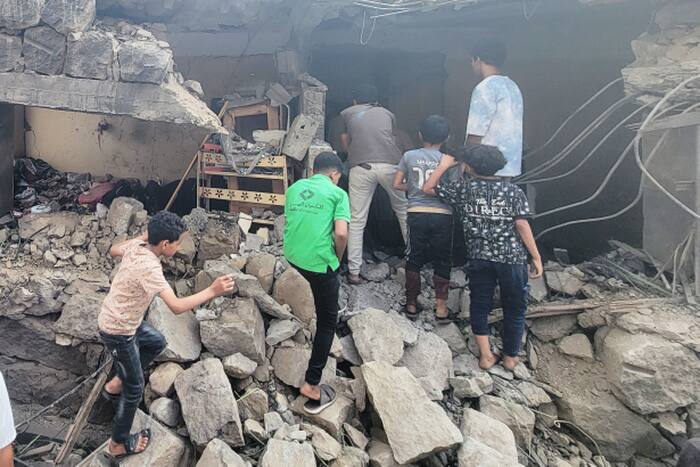
Then, disaster struck outside Romania's territorial waters. A sudden strike hit the vessel, killing two foreign seafarers and injuring several others. The attack didn't just damage steel and cargo; it shattered lives instantly. For further context on this issue, detailed coverage is available at Reuters.
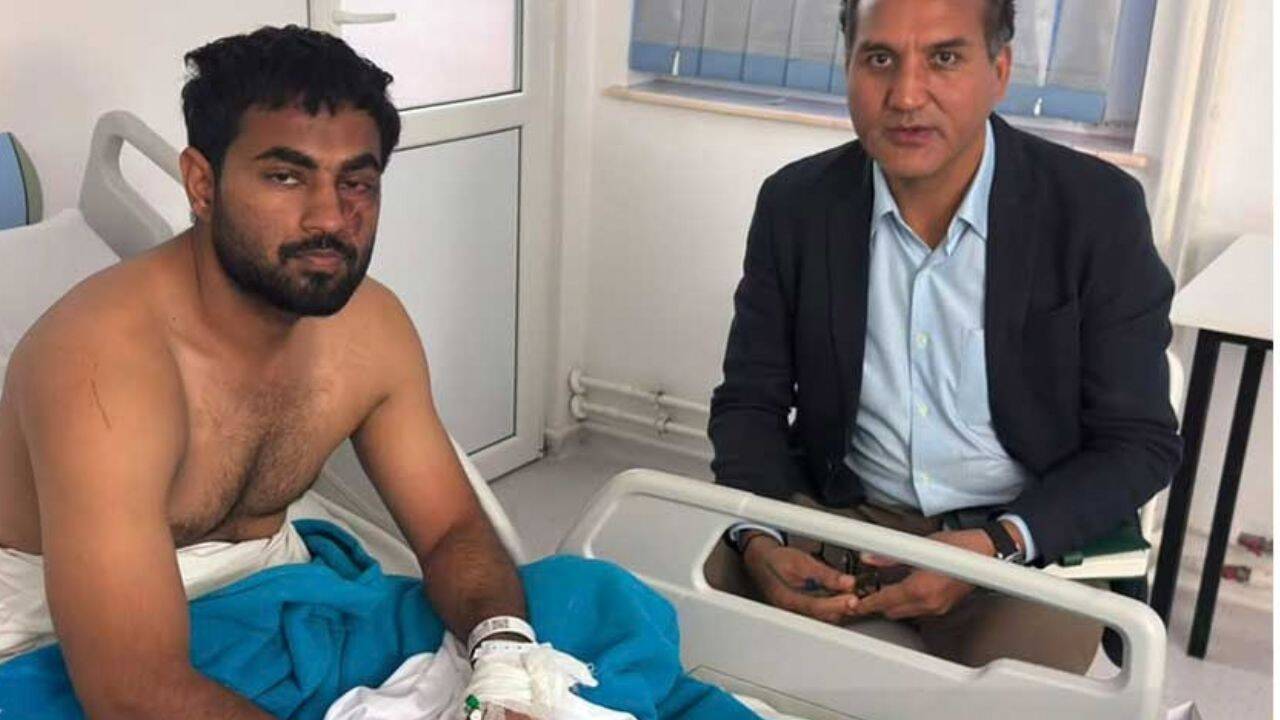
For the three Indian crew members onboard, survival meant navigating a nightmare of smoke, shock, and sudden medical emergencies. Romanian rescue teams and the Constanta county hospital stepped in to provide immediate trauma care. By October 7, an Indian embassy representative visited them—two recovering in a hotel and one receiving intensive treatment at the county hospital.
The Indian mission in Bucharest didn't just issue statements. They coordinated emergency supplies, organized mobile phones through local agents, and even arranged comfort meals from a local Indian restaurant. By Saturday, Sandhu, Kumar, and Singh were finally on a plane heading back to India. But their safe return shouldn't mask the terrifying baseline risk of commercial shipping routes in Eastern Europe.
Why Indian Seafarers Are on the Front Lines
Most people have no idea how dependent global trade is on Indian labor. India isn't just a participant in the maritime industry; it's the engine room of global logistics.
According to the latest BIMCO-ICS Seafarer Workforce Report, India stands as the world's second-largest supplier of seafarers. Over 311,000 maritime professionals fly the flag for Indian labor worldwide, accounting for roughly 12.16% of the entire global workforce. India sits comfortably behind the Philippines but ranks well ahead of China, Russia, and Indonesia.
When geopolitical conflicts flare up near major grain and oil export hubs like the Black Sea, you can guarantee that Indian engineers, deck officers, and ratings are in the engine rooms and on the bridges. They are the invisible workforce keeping European food and energy supplies moving. Yet, their safety protocols often lag behind the escalating kinetic threats of modern regional conflicts.
The Reality of Commercial Shipping Risks
Working on a merchant vessel used to mean worrying about rogue waves, mechanical failures, or pirate attacks off the Horn of Africa. Today's commercial crews face sophisticated military hardware, stray missiles, and sea mines drifting in congested shipping lanes.
When a ship gets hit, the legal and operational safety nets are often messy. Who compensates the families of the dead seafarers? Who decides when a route is too dangerous to sail? Shipowners face immense financial pressure to keep charters moving, sometimes pushing crews into high-risk corridors where warning systems fail or arrive too late.
If you're tracking maritime logistics, the takeaway is clear. Insurance premiums for Black Sea routes have skyrocketed, but insurance doesn't rebuild a shattered hull or bring back a lost crewmate. Governments and international maritime organizations need stricter enforcement of safety corridors and real-time threat intelligence sharing for merchant fleets.
Check your local shipping registries, stay informed on maritime labor rights, and demand better accountability from vessel operators who treat war zones like routine detours.