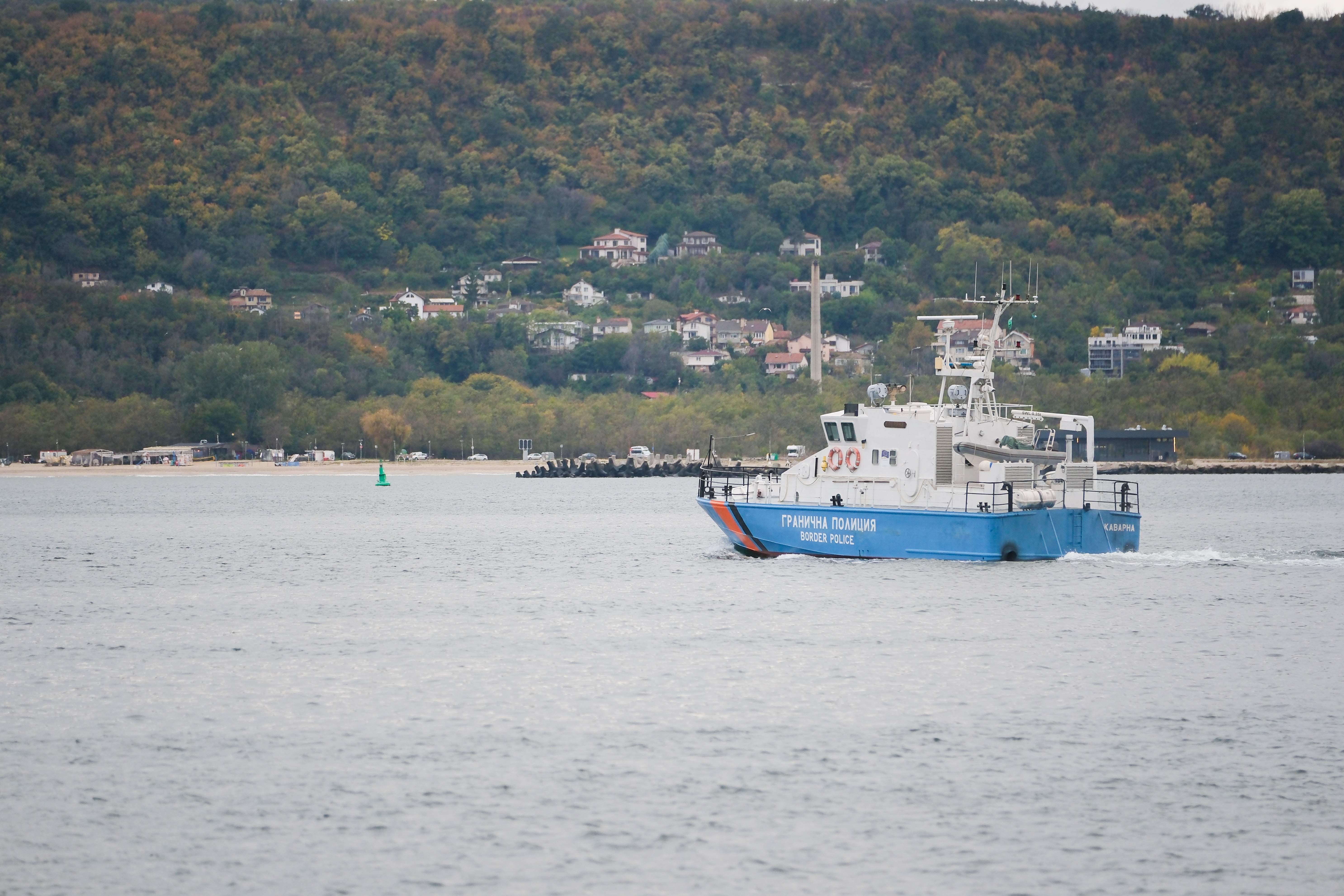
Two merchant vessels took direct hits from aerial drones just miles off the Bulgarian coast, sending one ship to the ocean floor and forcing frantic rescue missions. The attacks highlight a terrifying shift in maritime warfare where commercial cargo is caught in the crossfire. Bulgaria’s leadership called the strikes unacceptable, while officials scramble to figure out who pulled the digital trigger.
The Guinea-Bissau-flagged cargo ship Dignity went down after a military strike in the western Black Sea. Five sailors survived, but search teams spent hours hunting for the remaining eleven crew members. Meanwhile, the Ukrainian-operated freighter Chelsea 3 took hits from three separate aerial drones. Rescuers evacuated all fifteen crew members, treating several for minor injuries.
These aren't isolated incidents. They represent a dangerous escalation in regional shipping lanes that feeds right into wider geopolitical tensions.
The Growing Danger in European Waters
When commercial vessels get targeted so close to NATO member territory, the rules of maritime safety change overnight. The strikes occurred roughly 20 to 21 miles off the coast of Bulgaria, well within exclusive economic zones that should be safe for civilian trade. To read more about the context of this, NPR offers an in-depth breakdown.
Bulgarian Prime Minister Rumen Radev held an emergency Security Council meeting to address the crisis. During talks with foreign diplomats, Radev pointed out that destroying civilian shipping traffic doesn't align with Kyiv's interests, placing the logical strategic benefit squarely on Moscow's doorstep.
Russia denied having specific ministry data on the latest incidents, with local diplomatic representatives suggesting a third party might be staging provocations. On the flip side, Ukrainian Foreign Minister Andrii Sybiha didn't hesitate to point fingers, accusing Moscow of weaponizing food security and intentionally disregarding civilian lives.
Economic Fallout and Regional Response
You can't mess with Black Sea shipping lanes without sending shockwaves through global commodity markets. Grain, food products, and raw materials move through these waters daily. When ships sink or catch fire, insurance rates skyrocket, food prices jump, and seafarers face fatal risks just trying to do their jobs.
Bulgaria is feeling the economic pinch directly and plans to initiate urgent talks with neighboring Romania and Turkey. The goal is simple: forge joint proposals to guarantee the safety of commercial shipping before the situation completely spirals out of control.
NATO Secretary General Mark Rutte confirmed that alliance members are watching the eastern flank closely. The security environment is shifting fast, and defense postures are adjusting in real-time. European Commission President Ursula von der Leyen echoed those concerns, labeling the Black Sea a new front of escalation and demanding accountability for those putting civilian crews in mortal danger.
What Happens Next for Black Sea Trade
Maritime security experts face a massive headache. Aerial and sea drones are cheap to build, hard to track, and devastatingly effective against slow-moving cargo haulers. Just a week prior, a Togo-flagged ship sank in the exact same waters after a similar drone attack, while a Turkish-owned corn carrier burned and sank off the Romanian coast with tragic loss of life.
Governments are talking about heightened surveillance, but commercial operators need concrete protection now. If shipping companies decide the risk is too high, they'll abandon these routes entirely, choking off crucial supplies to international markets.
Protecting these waters requires immediate naval coordination between Black Sea nations and international allies. Port authorities and shipping lines must invest in anti-drone countermeasures for commercial fleets, because waiting for a diplomatic breakthrough while ships sit at the bottom of the sea is a losing strategy.



