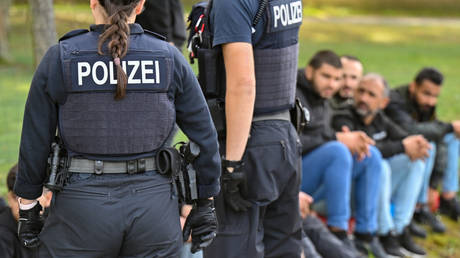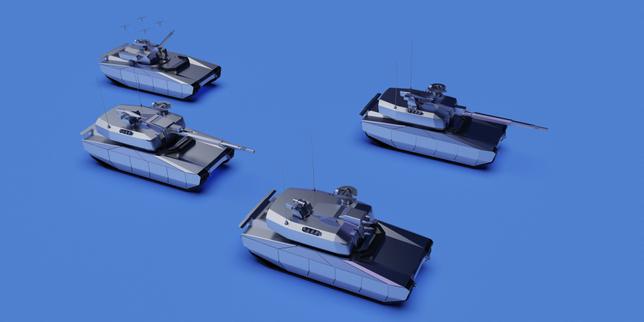
The grand vision of European defense cooperation just suffered another heavy blow. When French Chief of Staff of the Armed Forces, General Fabien Mandon, confirmed to the National Assembly that Berlin has officially pulled out of the joint Main Ground Combat System project, it marked a dark milestone for military integration on the continent. Paris and Berlin originally shook hands in 2017 to build a next-generation battle tank to replace both the German Leopard 2 and the French Leclerc. Now, that shared future is completely gone, leaving military planners scrambling to fill a massive capability gap.
This collapse doesn't happen in a vacuum. It follows closely on the heels of the breakdown inside the Future Combat Air System, turning what was supposed to be an unbreakable defense partnership into a string of high-profile industrial divorces. For anyone watching European geopolitics, the writing has been on the wall for months. Industrial friction between KNDS and Rheinmetall, conflicting national export rules, and divergent military doctrines made a messy split almost inevitable.
The Force Planning Nightmare for Paris
France faces a brutal timeline. The Leclerc tank fleet is aging rapidly and scheduled for progressive retirement starting around 2038. General Mandon made it crystal clear that Paris cannot afford to wait around. The French military needs to launch independent studies as early as 2027 to develop a national solution. But going it alone brings massive financial and technical burdens that the defense budget will feel immediately.
You cannot simply dust off old blueprints and pretend the last decade of negotiations never happened. Modern heavy armor requires advanced electronics, high-powered kinetic energy guns like the 140 mm ASCALON concept, and deep integration with unmanned systems. When a joint program worth tens of billions of euros evaporates, national industries have to pivot overnight. KNDS has previously showcased hybrids like the Leclerc Evolution and the Enhanced Main Battle Tank, but these were meant to be stopgaps, not permanent substitutes for a clean-sheet next-generation system. NBC News has provided coverage on this important issue in great detail.
Why Berlin Walked Away
Germany chose a different path driven by urgency and industrial muscle. Berlin wants capabilities faster than a bloated multi-nation bureaucracy can deliver them. With the war in Ukraine reshaping the eastern flank, German procurement has pivoted toward immediate rearmament and national sovereignty over supply chains. Rheinmetall's aggressive posture and the German state's moves to increase domestic industrial stakes signaled loud and clear that Berlin preferred to keep tighter control over its future hardware.
Cooperation sounds great in political speeches, but defense procurement is cutthroat industrial policy. When national interests clash over work-share agreements and intellectual property rights, idealism takes a back seat to cold economic reality. Germany's departure from the tank program proves that trust in joint European defense architecture has severe limits when immediate security threats knock on the door.
What Happens to the European Battlefield Now
The battlefield of 2040 won't look like today's conflicts, but heavy armor remains non-negotiable. Ukraine proved that artillery, drones, electronic warfare, and tanks must operate as a tight ecosystem. Without a unified Franco-German platform, Europe risks fracturing its armored forces into fragmented national standards that cannot easily share logistics, ammunition, or maintenance protocols on the frontline.
France must now accelerate its technological roadmap independently while keeping an eye on alternative partnerships with nations facing similar capability crunches. Time is short, and the industrial base has zero margin for error if it wants heavy cavalry rolling off assembly lines before the Leclerc finally hangs up its tracks.