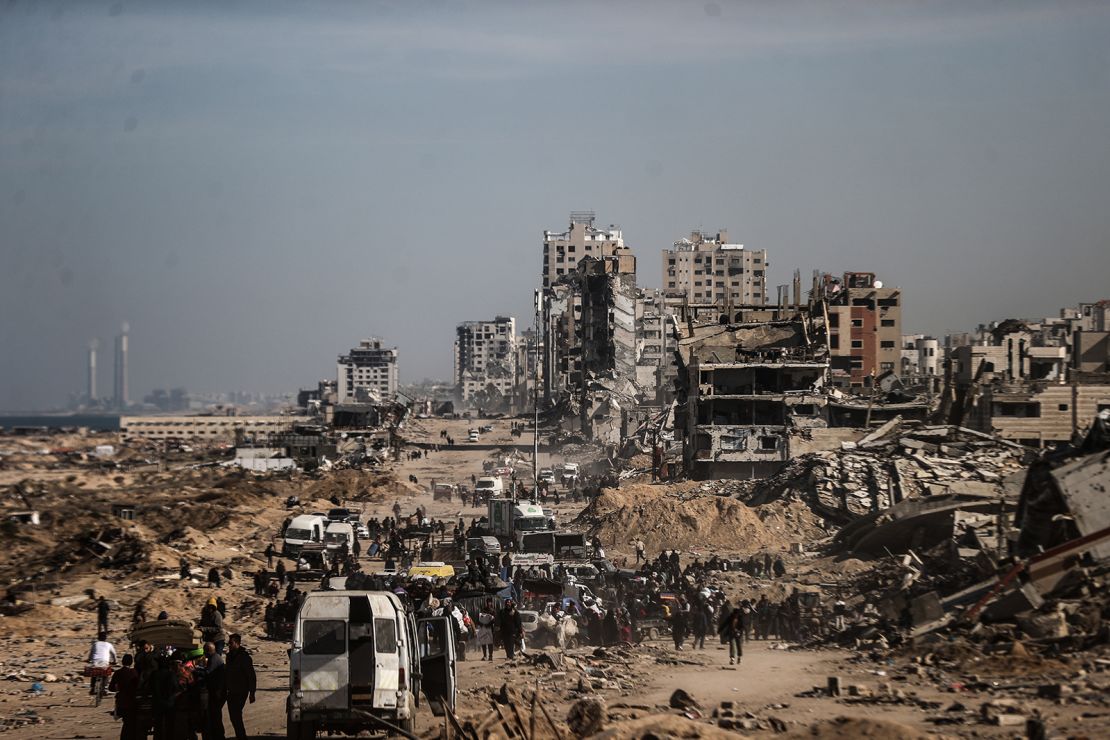
Food stalls in Gaza's markets look emptier by the day. Prices are skyrocketing. Families who are already exhausted from years of continuous devastation are facing a terrifying new reality as commercial shipments grind to a complete halt.
Israel announced that private commercial goods will no longer enter the Gaza Strip. This sudden shutoff cuts off the vital stream of food, winter clothing, and essential items that independent merchants usually bring across the borders. For ordinary households trying to scrape by, the suspension creates immediate panic.
The Breakdown of Private Trade
For months, commercial trucks filled a critical gap that international aid alone couldn't fill. While humanitarian relief organizations struggled with strict entry caps, bureaucratic delays, and distribution bottlenecks, private traders kept basic items flowing into local markets.
Now, that private lifeline has snapped. Israel blames local merchants, claiming coordination stopped because traders balked at taxes and fees levied by Hamas inside the territory. Palestinian importers and business unions strongly deny this narrative. They argue that Israeli authorities are using financial disputes as a convenient pretext to shut down trade entirely, leaving civilian populations to bear the heavy cost.
What This Means for Market Prices and Scarcity
When supply drops to zero, basic economics takes over with brutal speed. Families across the enclave report that the cost of fresh produce, flour, and canned goods has surged past what most can afford.
The timing couldn't be worse. Winter is approaching fast. People are desperate for warm clothes, blankets, and fuel. Without commercial trucks bringing in these supplies, parents are left wondering how they'll protect their children from the coming cold.
- Scarce essentials: Fresh fruits, vegetables, and protein sources are disappearing quickly from stalls.
- Inflated costs: Prices for remaining pantry staples are rising beyond the reach of daily wage earners.
- Deepening anxiety: Households are hoarding whatever little they can find, driving scarcity even higher.
The Broader Humanitarian Impact
Aid agencies estimate that the territory of roughly two million people needs hundreds of truckloads of goods daily just to maintain basic survival standards. Current aid volumes fall drastically short of that baseline.
When commercial channels shut down, the safety net vanishes completely. Humanitarian groups cannot simply scale up overnight to replace every private importer and wholesale trader. The bureaucratic hurdles imposed at border crossings remain massive obstacles.
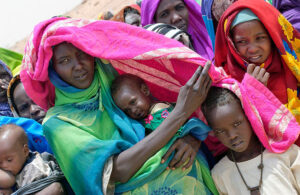
Families aren't looking at politics right now; they're looking at empty shelves. Every day the blockade on commercial goods continues pushes more households toward severe hunger and despair.
Check local humanitarian updates to see how relief organizations are responding to the cargo restrictions, and support grassroots aid initiatives working directly on the ground.
Gaza Crisis: Israel Says Commercial Goods No Longer Entering
This video provides a short overview of Israel's announcement halting commercial goods from entering Gaza and the resulting concerns.
http://googleusercontent.com/youtube_content/1