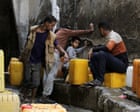
Food is running out. Clean water is practically nonexistent. Nearly a million people trapped inside Taiz are watching their city turn into a slow-motion catastrophe, and the rest of the world is largely looking away.
If you look past the headlines about geopolitical skirmishes and proxy warfare, you find an ordinary population paying the ultimate price. Iran-allied Houthi forces have tightened a near-total blockade around Yemen's third-largest city, cutting off entry points, choking supply lines, and driving everyday survival items completely out of reach. For the 900,000 residents stuck inside, every single day is an exhausting battle just to find basic commodities.
Aid workers on the ground aren't mincing words. Oxfam representatives report that the situation has crossed the line from dire to genuinely unmanageable. When a 20-litre container of petrol jumps from $20 to $80 on the black market, entire local economies break down instantly. When basic medical supplies stop arriving at overwhelmed hospitals, preventable wounds turn fatal.
Why the Siege of Taiz Matters Right Now
The current escalation didn't happen in a vacuum. Fighting around the city's old airport and residential neighborhoods intensified after a 2002 ceasefire fractured following airstrikes in Sana'a. But Taiz isn't just another front line. It is a strategic prize, and the Houthi forces are squeezing it hard to break regional resistance.
The human toll of this strategy is brutal. According to groups like the Halo Trust, dozens of their humanitarian landmine-clearance staff are trapped alongside hundreds of thousands of civilians. They can't leave, and relief trucks can't get in. Even people with cash in their pockets find empty market stalls. Fresh fruit has vanished completely.
Basic sanitation is collapsing too. With trash collection trucks unable to transfer waste outside the blockaded perimeter, garbage piles up on street corners. Residents resort to burning refuse, creating toxic smoke and raising immediate fears of a massive cholera outbreak. A city without waste management, clean drinking water, or functioning hospitals is staring down an avoidable health disaster.
The Retreat of International Donors
You would expect global powers to step up when a population faces this kind of multi-pronged emergency. Instead, international support is drying up.
UN humanitarian relief programs for Yemen are desperately underfunded, with donor countries subscribing to a fraction of the required budget. Major global actors are pulling back or shifting priorities. The US state department has requested zero economic support or development assistance specifically for Yemen in recent budget proposals, a stark drop from previous administrations. European funders like Germany have halved their aid programs, while the UK's financial commitments have shrunk compared to prior years.
This financial withdrawal leaves local aid organizations scrambling. Oxfam has had to divert its limited resources away from long-term development projects entirely, funneling everything into emergency cash transfers just to keep people alive.
What Comes Next for the Trapped City
Diplomats are still holding back-channel talks, but neither the Houthis nor the internationally recognized government show any real appetite for a sustainable ceasefire. Meanwhile, military escalation continues to draw in regional players, pushing any lasting political settlement further out of reach.
Without an immediate lifting of the blockade and a massive influx of international donor funding, the situation in Taiz will cross a tipping point from which recovery is impossible. The warning signs are clear, the data is documented, and the cost of inaction is measured in human lives.



