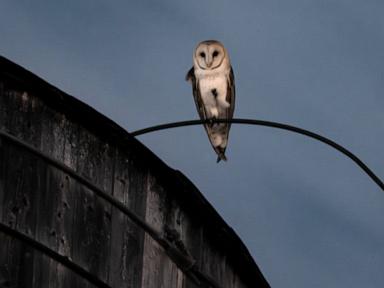
Ghostly silhouettes are gliding across the concrete canyons of New York City, and locals aren't panicking. They're grabbing cameras. A family of American barn owls has made an unexpected home inside a water tower on the Upper West Side, marking what ornithologists say is the first documented instance of barn owls nesting in Manhattan in modern history.
If you live in a city defined by endless hustle, the arrival of a rare raptor family feels like a glitch in the simulation. But it's happening right now near 76th Street and Central Park West. Two adults and up to six juveniles are currently turning rooftop decks into impromptu viewing platforms, drawing crowds of serious birders and curious neighbors every single night.
Why This Manhattan Nesting Event Is So Rare
Let's get one thing straight about urban wildlife. Pigeons, rats, and stray cats dominate the concrete landscape. Raptors like red-tailed hawks or peregrine falcons occasionally claim a bridge or a skyscraper ledge, but barn owls are a different breed entirely.
Local bird experts note that barn owl populations have faced steep declines across New York State over recent decades. Finding an active nest right in the middle of the most densely populated borough isn't just an anomaly—it's historic. When Upper West Side residents Elisabeth Williams and Thomas Obersteiner first noticed odd sounds drifting into their apartments in mid-September, they didn't think "raptor." They thought a child was in pain.
Barn owls don't make the classic, comforting hoot you hear in cartoons. They emit a raspy, blood-curdling screech that sounds straight out of a horror movie. Once local birders identified the calls using audio apps and tracked down the source, the neighborhood turned into an owl-watching hub.
The Real Threat Facing Urban Raptors
It’s easy to get swept up in the charm of rooftop flight school, but there is a grim reality attached to urban owl sightings. These birds are absolute rodent specialists. They hunt mice and rats relentlessly, which makes them incredibly vulnerable to secondary poisoning.
When pest control companies deploy rodenticides across the city, poisoned rats don't vanish immediately. They stumble out into the open, dazed and easy prey. If a barn owl swoops down and eats several poisoned rodents over a few days, the toxin kills the predator just as effectively as the pest.
You might remember the heartbreak surrounding Flaco, the Eurasian eagle-owl that escaped the Central Park Zoo and captured global attention before dying after hitting a building with traces of rat poison in his system. Conservationists like Jessica Wilson from the New York City Bird Alliance are already raising red flags. The arrival of these barn owls proves that parts of the city are becoming more hospitable to raptors, but our pest management habits could wipe them out in a heartbeat.
How to Spot Them Without Causing Harm
If you're heading to the Upper West Side to catch a glimpse of the new avian celebrities, you need to know how to behave.
- Keep your distance and respect private property. Roof decks belong to residents who are currently fielding a stream of photographers.
- Ditch the flash photography. Bright lights disorient nocturnal birds trying to navigate a maze of skyscrapers and reflective glass.
- Support local wildlife funds that advocate for safer, non-toxic pest control alternatives across New York boroughs.
Urban nature doesn't ask for permission before it moves in. These owls chose a noisy, bright, frantic city because an abundance of food made it worthwhile. Keep your eyes up during your evening walks, respect their space, and hope our city's pest control practices don't ruin a historic wildlife moment.



