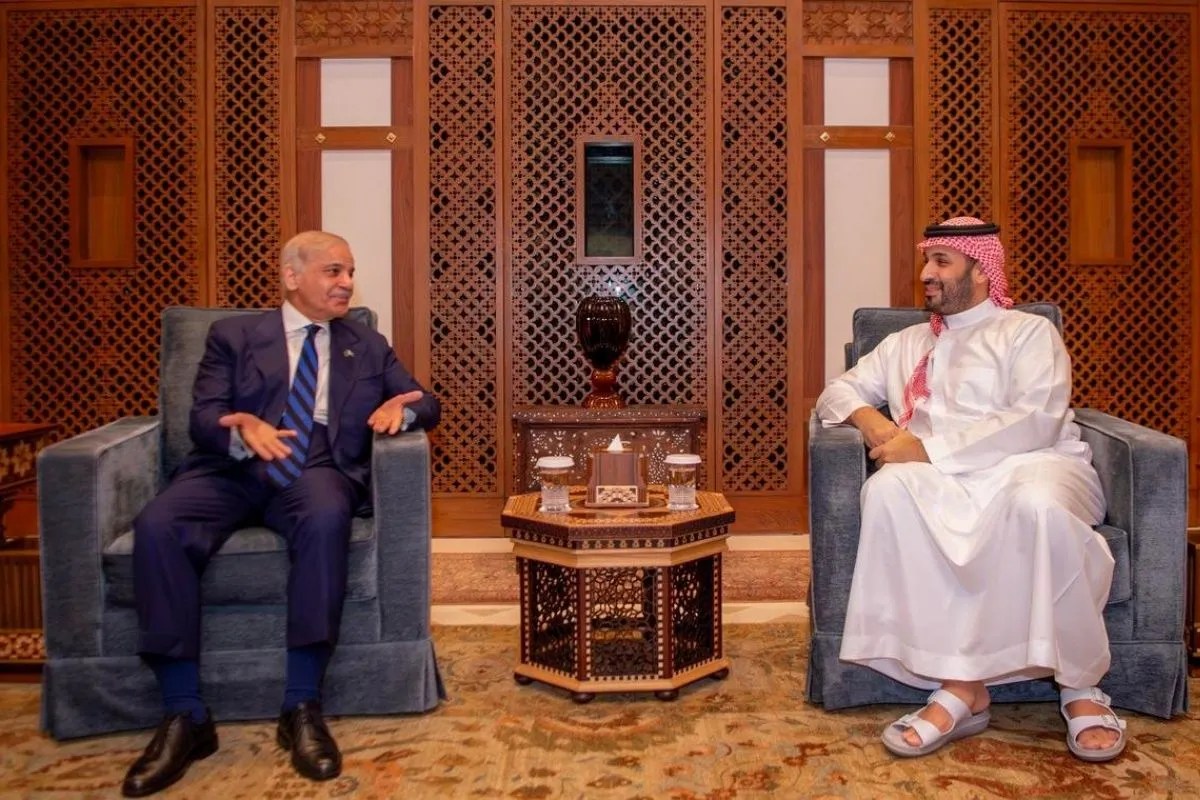
Foreign policy in South Asia and the Middle East rarely follows a straight line. Right now, Islamabad is caught in a high-stakes geopolitical squeeze that could backfire spectacularly. When Saudi Arabia, Pakistan, and Türkiye signed the Mecca Joint Defence Agreement on August 7, 2026, it sounded like a standard regional alliance on paper. The core premise was simple: an attack on one is an attack on all.
Then reality hit. Yemeni Houthi rebels launched intense drone and missile attacks targeting strategic Saudi infrastructure, including the King Khalid International Airport and vital oil facilities. Suddenly, this ambitious trilateral pact transformed into an immediate military test. Riyadh wants backup, but Islamabad is walking through a diplomatic minefield. If you think this is just another routine defense pact, you're missing the massive regional friction it creates right next door.
The Tehran Dilemma and the Limits of Islamabad’s Ambition
Pakistan doesn't just share a border with Iran; it shares a deeply volatile, complex relationship marked by trade, energy needs, and delicate border security dynamics. When reports surfaced that Islamabad was deploying substantial military forces and resources to Saudi soil to backstop Riyadh's defense, alarm bells started ringing loud and clear in Tehran.
Iranian officials didn't hide their displeasure. Iranian Foreign Ministry spokesperson Esmaeil Baghaei openly criticized the growing military alignment between Pakistan and Saudi Arabia, calling initial deployment rumors a cause for serious concern. Iranian lawmakers have been even sharper in their critique.
Pakistan's leadership has tried to play it both ways. President Asif Ali Zardari rushed to declare that the pact is strictly defensive and directed against no specific third party. Prime Minister Shehbaz Sharif followed up by reiterating Pakistan's unwavering commitment to Saudi security. But diplomatic sugarcoating won't change ground realities. You cannot deploy military assets to protect Saudi oil installations from Iranian-backed Houthi forces without fundamentally straining your eastern neighbor's trust.
Financial Lifelines Come With Heavy Strings Attached
Why would a cash-strapped Pakistan risk its western border stability for a Middle Eastern conflict? Follow the money. Riyadh holds enormous economic leverage over Islamabad.
Saudi Arabia has dangled major financial rescue packages to keep Pakistan's fragile external finances afloat. This includes an additional 3 billion US dollars in financial assistance alongside the rollover of existing multi-billion dollar deposits parked in Pakistan's central bank. When your foreign exchange reserves are constantly dangling on the edge, saying no to Riyadh is an expensive luxury.
Yet, financial relief from Saudi Arabia comes with invisible military obligations. The kingdom expects boots, systems, and strategic deterrence in return for economic bailouts. Islamabad's diplomatic strategy relies on sending support units framed strictly as defensive shield forces rather than offensive combat units heading into Yemen. But drawing that fine line on an active battlefield is practically impossible once missiles start landing near civilian airports and oil refineries.
What Happens When Deterrence Fails
Treaties signed in holy cities sound ironclad during high-level photo ops, but they face brutal reality checks when asymmetric warfare begins. Houthi drone swarms don't care about diplomatic nuance or carefully worded foreign ministry press releases.
If a future Houthi strike breaches Saudi air defenses and kills foreign or Pakistani military personnel stationed under the umbrella of the Mecca Joint Defence Agreement, Islamabad won't have the luxury of neutral rhetoric anymore. At that point, the Pakistani military establishment will face a grim choice: retaliate and risk open hostility with Iran, or back down and shatter its security credibility across the entire Gulf region.
Navigating rival alliances has always been a tightrope walk for middle powers. Right now, Islamabad has climbed onto the wire without a safety net. Watch how fast economic desperation can drag a nation into someone else's war.



