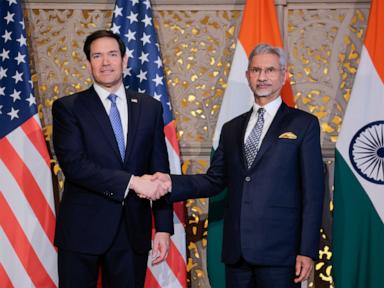
Trade negotiations between Washington and New Delhi have missed countless deadlines over the years. Tariffs, energy purchases, and protectionist friction usually get in the way. But things look different right now. U.S. Secretary of State Marco Rubio and India's External Affairs Minister S. Jaishankar just sat down for high-stakes talks in Mumbai, and the signals coming out of the room point to a major breakthrough.
If you have been following economic ties between the two nations, you know how often optimism turns into stagnation. This time, however, the rhetoric from both capitals is grounded in actual progress. Rubio did not mince words when speaking to reporters, noting that the two sides are about as close as you can get to signing a deal without actually executing the paperwork.
Why Mumbai Became the Center of Gravity
Choosing Mumbai over New Delhi for these critical discussions sends a sharp signal. Mumbai is the financial capital of India, and hosting the talks there emphasizes commercial ties, corporate partnerships, and private sector investments. It shifts the narrative away from slow-moving government bureaucracy straight into the hands of market realities.
During their meetings, Rubio and Jaishankar tackled the sticking points that have dragged negotiations out for months. Energy security sat at the very top of the agenda. Washington has spent the past year wrestling with New Delhi over its continued imports of Russian oil. Yet, U.S. officials are taking a pragmatic approach. Rubio openly acknowledged that geography is real and that countries cannot overhaul their entire energy grids overnight.
That shift in tone matters. By recognizing the logistical hurdles India faces in pivoting away from Moscow's energy supplies, the U.S. state department cleared a massive roadblock that previously choked off trade talks.
The Energy and Manufacturing Puzzle
The roadmap does not stop at diplomatic handshakes. Following the Mumbai meetings, Rubio scheduled a trip to Jamnagar in Gujarat to tour the massive oil refining complex operated by Reliance Industries. This visit highlights a practical workaround to the Russian oil dilemma: diversification toward alternative suppliers, including Venezuelan crude, processed through Indian refining capacity.
Consider the broader industrial picture. Indian conglomerates are planting deep roots inside the United States. Mukesh Ambani's Reliance Industries committed $300 billion toward setting up a major oil refinery project in Brownsville, Texas. When capital flows in both directions on that scale, a bilateral trade agreement stops being a diplomatic exercise and turns into an economic necessity.
Defense, Tech, and Regional Realities
Trade is only part of the equation. Jaishankar and Rubio also expanded their discussions into defense manufacturing, critical technologies, and regional stability in West Asia. Washington views New Delhi as an indispensable counterweight in the Indo-Pacific. You cannot separate strategic defense alignment from commercial trade policy anymore. They feed each other.
The talks even pulled in the United Arab Emirates through a trilateral meeting with UAE Foreign Minister Sheikh Abdullah bin Zayed Al Nahyan. Aligning U.S., Indian, and Emirati priorities on regional energy security creates an economic corridor that bypasses traditional geopolitical bottlenecks.
What Happens Next
The first tranche of the bilateral trade agreement is currently undergoing final legal drafting and review. A small handful of minor items remain on the checklist, meaning the final announcement could drop much sooner than skeptics expect.
Keep an eye on the official text once it clears the legal teams. Pay attention to how tariff exemptions are structured around energy compliance. This agreement will set the tone for manufacturing and tech investments between the two nations for the next decade. Do not wait for the official press tour to finish—position your supply chains now.