Four years after massive underwater explosions shattered the Nord Stream gas pipelines beneath the Baltic Sea, the courtroom doors in Hamburg have finally swung open. You're looking at a former Ukrainian military officer facing serious charges over what remains one of the most brazen pieces of critical infrastructure sabotage in modern history. The trial kicked off under intense police security at the Hanseatic Higher Regional Court, bringing an uncomfortable spotlight onto Kyiv, Moscow, and Western intelligence agencies alike.
German prosecutors are calling the defendant Serhii K. — identified during Italian extradition hearings as Serhii Kuznietsov — the alleged mastermind behind the September 2022 blasts. He faces grave counts including causing an explosion, damaging property, disrupting public service, and acting as an accomplice to war crimes. While Ukrainian President Volodymyr Zelenskyy has repeatedly denied any state involvement, this high-stakes proceeding threatens to dismantle official narratives and force uncomfortable diplomatic reckonings across Europe.
The Anatomy of an Underwater Attack
Let's look at how the plot allegedly unfolded. Investigators state that the saboteurs rented a leisure yacht out of the German port of Rostock. They used forged identification documents and relied on a web of intermediaries to mask their tracks. Once at sea near the Danish island of Bornholm, the crew allegedly descended to depths between 70 and 80 meters to plant at least four separate explosive charges. Each bomb weighed anywhere from 14 to 27 kilograms.
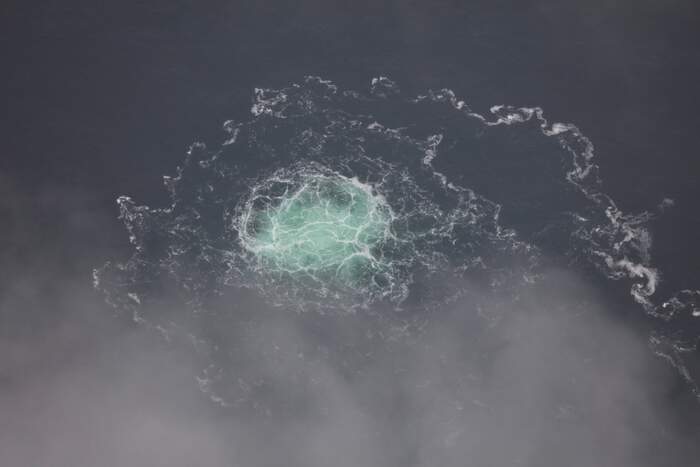
When those devices detonated on September 26, 2022, they ruptured both the Nord Stream 1 pipeline — which had been Germany's primary Russian gas supply route — and the dormant Nord Stream 2 pipeline. The shockwaves registered on seismographs across the region. Millions of cubic meters of natural gas vented directly into the Baltic Sea, creating massive surface disturbances.
Most people assumed a superpower state actor with submarine fleets was behind the destruction. Instead, investigators point toward a tight-knit commando cell utilizing rented civilian watercraft and commercial diving gear. That realization alone shifts how security experts view the vulnerability of undersea cables and offshore energy grids worldwide.
Untangling the Geopolitical Fallout
Germany finds itself in a bizarre diplomatic bind. Berlin remains one of Kyiv's staunchest financial and military backers in the war against Russia. Yet, German federal prosecutors are actively prosecuting a Ukrainian national for blowing up pipelines that fed Russian gas directly into German industrial hubs.
Public sentiment outside the courthouse reflects this tension. Pro-Ukraine demonstrators gathered with signs reading slogans like "Russia is a Terrorist" in bright red lettering, reminding onlookers of the brutal context of the Kremlin's full-scale invasion launched in February 2022. At the time of the blasts, European nations were scrambling to break their addiction to Russian energy imports. The explosions permanently severed those economic ties, ensuring Moscow could no longer use gas revenues to bankroll its military campaign.
Even so, the legal process moves forward independently. German officials stress that the judiciary operates separately from foreign policy. Sixteen court sessions are already scheduled through mid-December, with additional dates stretching well into early 2027. A final verdict won't materialize overnight, but the trial proceedings themselves will drag classified details out into the open.
The Wider Hunt for Suspects
Serhii K. isn't standing alone in the crosshairs of European law enforcement. German authorities secured his arrest in 2025 during a raid on an Italian bungalow where he was staying with his family. He surrendered without resistance and was extradited to Germany by November.
Meanwhile, another suspect was detained in August on a European arrest warrant in the Croatian town of Pula. That individual has fought back legally, applying for asylum in Croatia specifically to block extradition to German custody. The existence of multiple suspects indicates that investigators believe a larger network executed the operation, spanning multiple borders and jurisdictions.
Moscow has consistently tried to point fingers elsewhere. Russian officials have floated various theories blaming British and U.S. intelligence agencies, alleging that NATO orchestrated the entire incident to cut Europe off from Russian energy permanently. Western capitals initially pointed suspicion back at Moscow, suggesting a false-flag operation. This ongoing trial puts those competing conspiracy theories to the test, forcing real evidence into a public forum where defense lawyers and prosecutors must substantiate their claims.
What This Means for Global Infrastructure Security
The real takeaway here extends far beyond a single courtroom in Hamburg. For decades, governments treated undersea communication cables and gas pipelines as largely immune to asymmetric threats. The Nord Stream explosions proved that a small team with basic maritime knowledge and commercial explosives can cripple multi-billion-dollar energy arteries.
Expect governments to overhaul maritime security protocols. Operators of offshore wind farms, internet cables, and trans-oceanic pipelines are already investing heavily in acoustic monitoring systems and drone surveillance. If a few individuals on a rented yacht can alter the geopolitical map of Europe, the vulnerability of global infrastructure demands immediate defensive upgrades.
The trial of Serhii K. will test Germany's legal system, strain delicate alliances, and expose the murky underworld of covert operations. Watch the courtroom developments closely over the coming months. The verdict will set a massive legal precedent for how international sabotage is prosecuted when allies and adversaries blur together.


-1667889754284.jpg)
