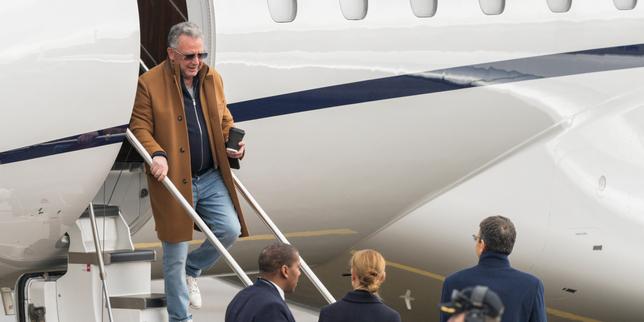
High-stakes diplomacy rarely unfolds in quiet backrooms anymore. It plays out on runways, encrypted channels, and emergency press conferences. When U.S. special envoy Steve Witkoff touched down in Oslo, the stakes couldn't have been higher for Kyiv.
Ukrainian President Volodymyr Zelenskyy didn't fly to Norway for pleasantries. He came to anchor a fracturing alliance, patch up critical communications infrastructure like Starlink, and address the glaring deficit in missile interceptors. With Washington shifting gears under President Trump, the diplomatic floor is sliding out from under European security.
Here is what is actually happening behind the diplomatic curtain in Oslo, and why this meeting alters the trajectory of the conflict.
The Reality of U.S. Envoys in Oslo
Steve Witkoff isn't walking into these negotiations alone. Jared Kushner is plugged into the talks virtually, keeping the White House's backchannel open. But let’s be honest about what Washington's current posture means. The U.S. has largely frozen direct military hardware provisions to Ukraine. Instead, the administration expects European allies to foot the bill for hardware purchases while keeping intelligence pipelines active. For another angle on this development, refer to the latest coverage from NBC News.
That creates a dangerous vulnerability. Europe can buy weapons, but it can't instantly replicate American satellite architecture or high-end technical components.
When Zelenskyy talks about substantive exchanges with U.S. leadership—including recent talks with Marco Rubio regarding Starlink restoration and air defense systems—he is fighting for the literal nervous system of his country's defense. Without reliable satellite communications, battlefield coordination collapses into chaos. Without interceptors, civilian infrastructure gets pulverized nightly.
Why European Leaders Are Gathering in Norway
Norwegian Prime Minister Jonas Gahr Støre and Finnish President Alexander Stubb didn't rush to Oslo just to wave flags. They understand a brutal truth. If Washington forces a rushed peace settlement on Moscow's terms, European stability shatters.
European capitals view defending Ukraine as an existential baseline. They're trying to steer American diplomatic efforts onto a sustainable path before Witkoff flies off to Moscow with a half-baked peace proposal.
Let's look at the friction points:
- The Peace Terms: Washington wants a quick deal. Kyiv refuses to trade sovereign territory for fragile promises.
- The Logistics Gap: Europe is scrambling to fill defense gaps left by Washington's pullback.
- The Technology Lifeline: Keeping systems like Starlink operational is non-negotiable for frontline commanders.
What Happens Next on the Ground
Diplomacy moves fast when cities are burning, but real security takes concrete commitments. Witkoff’s mission in Oslo is a litmus test. If the U.S. insists on pressing Ukraine toward a lopsided deal, expect Kyiv to lean harder on its European partners to sustain the fight.
The real question isn't whether peace talks will happen. They're happening now. The question is whether Washington's envoys understand that a forced capitulation only guarantees the next war.
Keep your eyes on the joint press statements coming out of Norway today. They'll tell you whether the alliance is holding together or quietly coming apart at the seams.