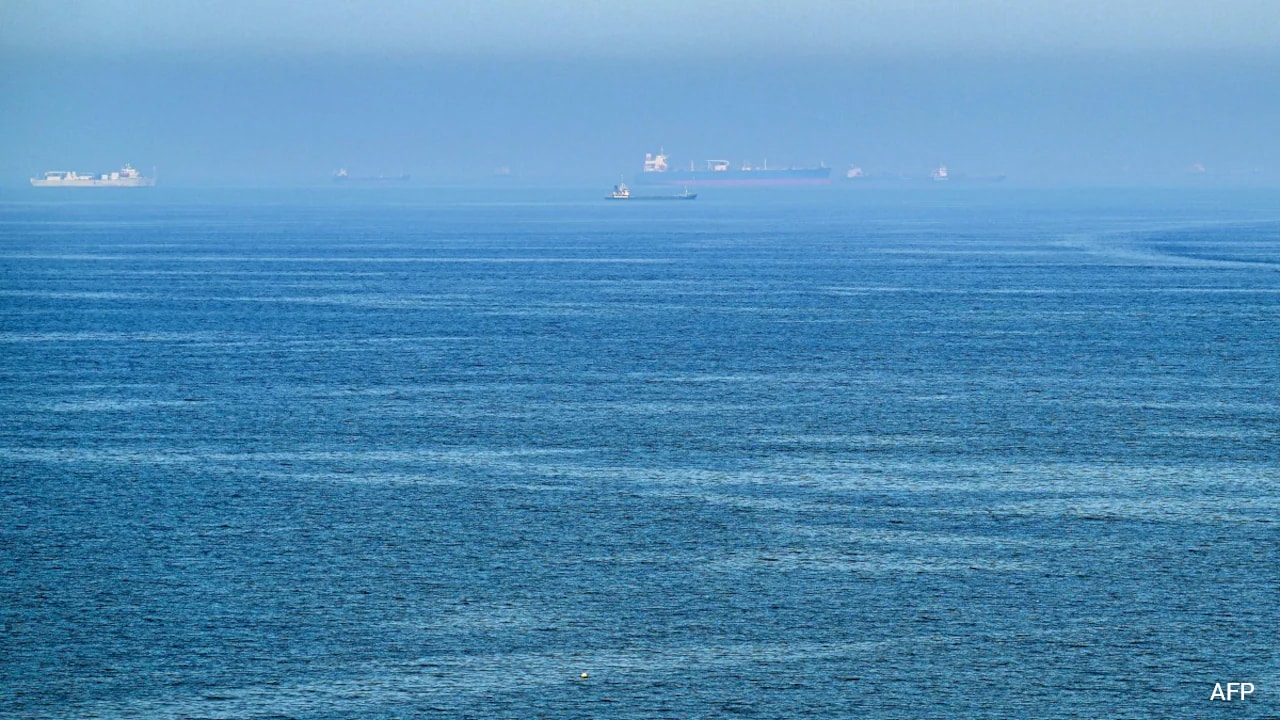
Commercial shipping through the Strait of Hormuz is breaking down. When a container ship takes a direct hit and slips beneath the waves, global supply chains feel the shockwaves instantly. This isn't just a localized skirmish anymore. It is a full-scale crisis rewriting the rules of maritime logistics.
The Singapore-flagged container vessel GFS Pride went down recently after being struck by a projectile near this vital global chokepoint. Floating containers now litter the shipping lanes. Mariners face active hazards every single day. Meanwhile, dry bulk carriers like the Cape Dao are fighting similar fates after unsuccessful rescue attempts following earlier strikes. The reality on the water is grim. Crews are in constant danger, insurance rates are skyrocketing to uninsurable levels, and shipowners are refusing to send vessels through the Persian Gulf.
The Anatomy of a Chokepoint Crisis
You need to understand why this specific piece of water matters so much. Roughly a fifth of the world’s petroleum and a massive share of manufactured goods pass through the Strait of Hormuz. It's a narrow bottleneck bordered by Oman and Iran. When traffic stops here, the entire world economy stumbles.
Insurance companies are reacting with pure panic. War risk premiums for voyages in the Middle East have surged by hundreds of percentage points. Some underwriters are pulling out entirely. If you cannot insure a cargo ship worth fifty million dollars, you simply do not sail. It is that straightforward.
Why Traditional Maritime Security Is Failing
Naval coalitions have patrolled these waters for decades. Yet, modern projectile threats, asymmetric tactics, and drone warfare have completely outpaced traditional defense setups. Escorting every single container ship or bulk carrier is an impossible logistical dream.
Let's look at the numbers. Since the conflict began on February 28, multiple commercial vessels have been hit, and vessels like the GFS Pride and Cape Dao are now sitting at the bottom of the sea or taking on water with no rescue in sight. International agencies like the International Maritime Organization are tracking mounting losses, but bureaucratic warnings do nothing to stop incoming missiles.
What Happens Next for Global Supply Chains
Shipowners are bypassing the region altogether. They are routing vessels around the southern tip of Africa instead. That adds weeks to transit times, burns massive amounts of extra fuel, and drives up the cost of consumer goods worldwide.
If you run an import business or rely on manufacturing components shipped from Asia, you are already seeing the delays. Freight rates are climbing back toward pandemic-era chaos.
Protecting your supply chain right now means diversifying your shipping routes, locking in long-term freight contracts before spot rates jump further, and keeping a close eye on real-time navigational warnings issued by regional maritime authorities. Do not wait for ports to clear up on their own. Adjust your logistics playbook today.



