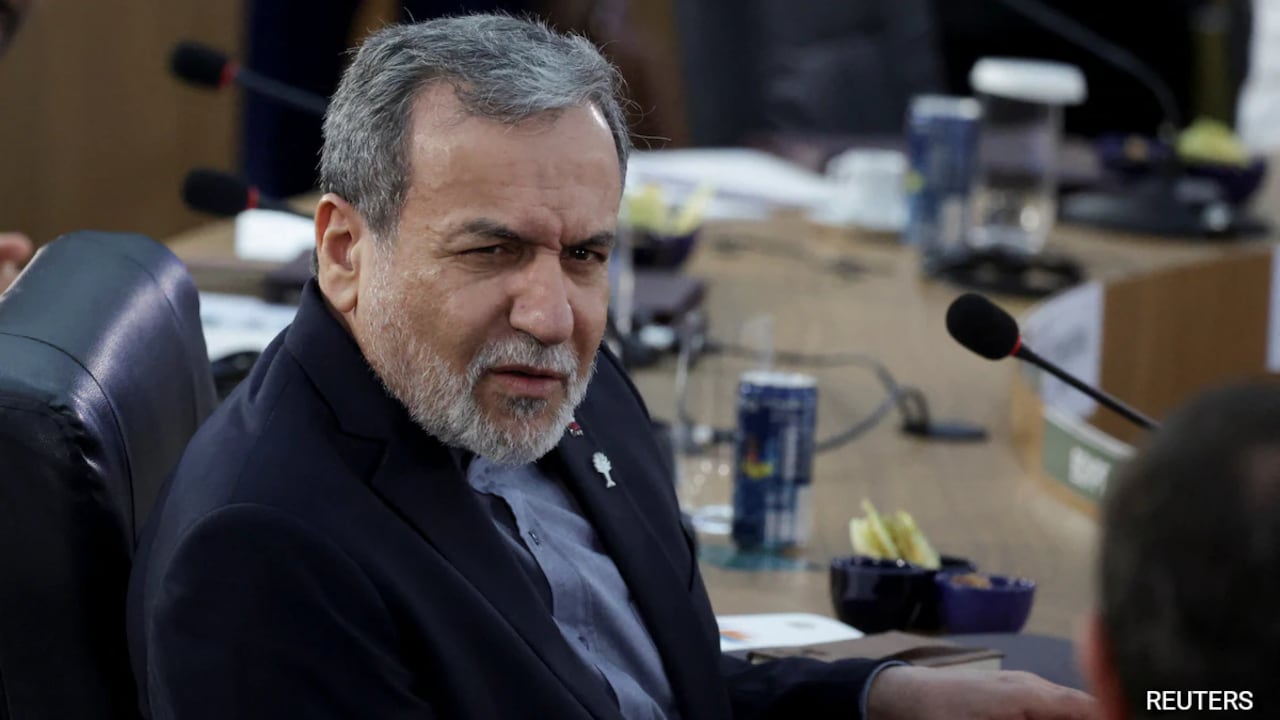
Every drop of oil moving through the Strait of Hormuz carries a massive geopolitical price tag. When Iranian Foreign Minister Abbas Araghchi pointed the finger squarely at the United States for ongoing instability in this vital waterway, he wasn't just throwing diplomatic jabs. He was highlighting a choke point that dictates global energy prices and military strategy. Washington points to Iranian harassment of commercial vessels. Tehran points to Western blockades and military pressure. Meanwhile, the rest of the world watches nervously as one-fifth of global hydrocarbon supplies navigates a maritime minefield.
Let's look at what is actually happening on the ground and in the water. The geopolitical chess match in the Persian Gulf involves far more than angry press conferences.
The Anatomy Of A Choke Point
The Strait of Hormuz is narrow. Roughly 21 miles wide at its narrowest point, with shipping lanes just two miles wide in both directions, it leaves zero room for error. Iranian leadership claims control over the waterway, arguing that foreign powers have no business running naval operations right off their coast.
On the other side, the United States Navy and its allies maintain a persistent counter-blockade presence. They protect commercial shipping from unauthorized Iranian boarding actions and inspections. This dual-presence dynamic creates constant friction. For another perspective on this event, refer to the latest coverage from NBC News.
- Commercial Vulnerability: Tankers transporting crude oil face daily operational risks, driving up insurance premiums.
- Naval Posture: US and allied warships patrol aggressively, ensuring a high-stakes standoff.
- Economic Pressure: Heavily sanctioned economies on both sides use every policy tool available to squeeze opponents.
When Araghchi met with Russian Foreign Minister Sergei Lavrov in Tehran, the timing spoke volumes. Moscow is attempting to step into a mediating role, trying to prevent a larger escalation while talks between Washington and Tehran remain entirely stalled.
Why Traditional Diplomacy Is Failing
Diplomacy requires a baseline of trust. Right now, trust is completely absent.
The baseline reality is simple. US-Israeli strikes earlier in the year fundamentally changed the strategic calculus in Tehran. Even though temporary ceasefires and memorandums of understanding pop up, the fundamental military hostility in the Persian Gulf never truly went away.
Think about how sanctions operate. Iran faces isolation from international financial systems. In response, they lean heavily into military deterrence and strategic control over maritime routes. When Western naval forces enforce counter-blockades on Iranian ports, Tehran responds by targeting or challenging ships passing through their claimed zone of influence.
Moscow sees an opening here. Russia and Iran share extensive economic ties and military coordination, particularly since the 2022 escalation in Ukraine. Lavrov's mission in Tehran isn't just about regional peace; it is about projecting power and diplomatic influence into a region where Western diplomacy has hit a brick wall.
The Global Economic Fallout
Markets hate uncertainty. Every time a high-ranking official in Tehran blames Washington for maritime insecurity, energy markets react. Supply chains shudder.
You don't need a degree in economics to understand the ripple effects. When shipping companies reroute or face soaring war-risk insurance rates, consumers worldwide pay more at the pump. The Strait of Hormuz isn't a regional local issue. It is a global economic artery.
The fundamental stalemate continues because neither side wants to blink first. Washington refuses to drop economic strangulation tactics while Iran maintains its grip on maritime traffic. Until a genuine framework addresses both maritime security and economic sanctions, the flashpoint will stay hot.
Take a close look at how energy markets trade next time tensions spike in the Persian Gulf. You will see immediate volatility. The rhetoric from Araghchi and Lavrov signals that Tehran intends to keep international pressure on the United States, utilizing every diplomatic channel available to shift the blame for a fractured Middle East.



