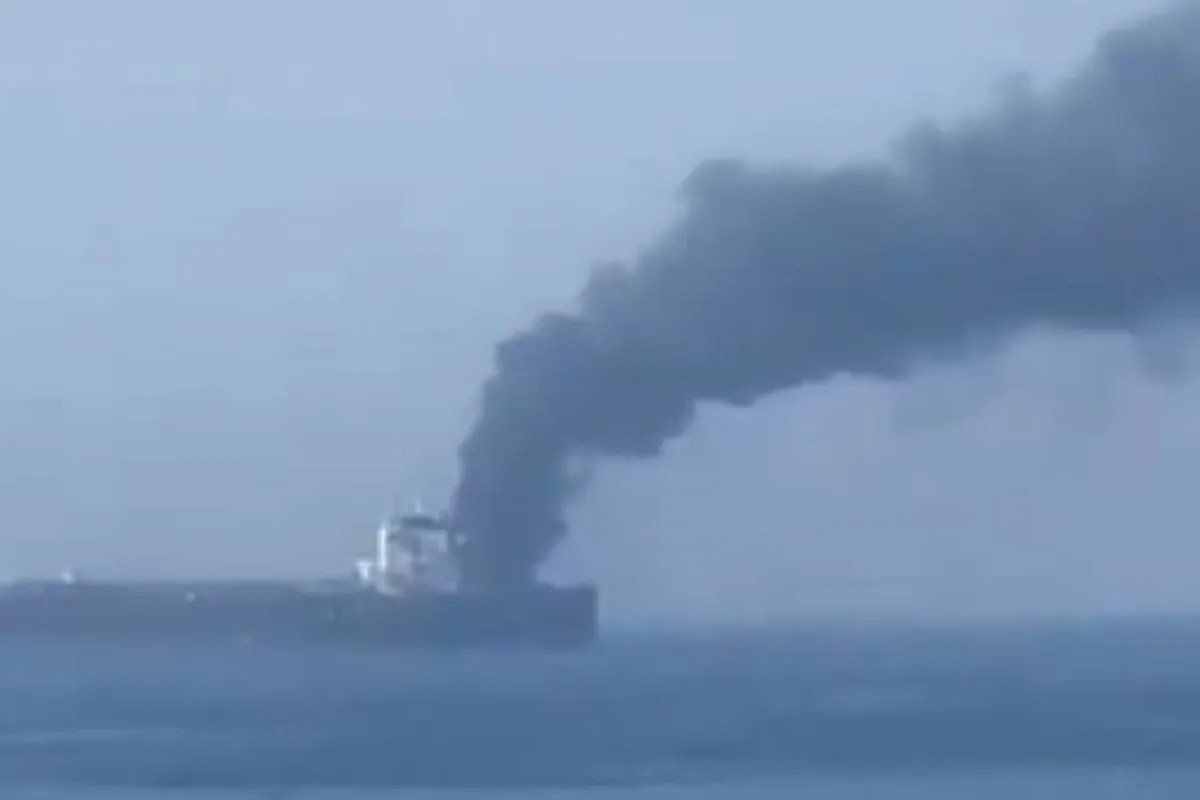
The world's most critical energy chokepoint is burning. When an oil tanker catches fire after slipping through a prohibited zone with its tracking systems disabled, it is not just an isolated maritime accident. It is a loud, dangerous escalation in a waterway that feeds a massive chunk of global oil consumption.
If you have been watching energy prices spike toward $106 a barrel for Brent crude, you already know that geopolitical tensions in the Middle East hit consumer wallets fast. Let's break down what is actually happening in the Strait of Hormuz, why these restricted zones are turning deadly, and what it means for the immediate future.
The Reality Behind the Restricted Zone Incidents
The Iranian Navy's recent announcements regarding burning oil tankers east of the Strait of Hormuz point to a terrifying new normal in maritime transit. Commercial vessels are attempting high-stakes runs through heavily monitored waters, often switching off their automatic identification systems (AIS) to avoid detection.
Why take that kind of risk? Because the stakes are astronomical. Since regional closures and naval blockades choked off standard traffic routes, commercial operators face a grim choice: idle their vessels and lose millions, or run the gauntlet.
When a ship goes dark—turning off transponders and ignoring coordination protocols issued by the Iranian military—it enters a high-risk zone where naval patrols view uncoordinated movements as direct security threats. The recent fires and sinking incidents, such as the container ship losses reported in the same corridor, prove that navigating these waters without clearance is a gamble with catastrophic odds.
Why the Strait of Hormuz Controls Global Energy
It is easy to forget how fragile global supply chains really are until a single narrow passage gets blocked. Roughly a fifth of the world's petroleum supply moves through this narrow channel. When security breaks down here, shockwaves hit energy markets instantly.
We saw Brent crude futures and US benchmark West Texas Intermediate jump sharply following these incidents. Refineries, shipping conglomerates, and everyday drivers bear the brunt of these disruptions. Every time a tanker catches fire or a commercial ship strikes a mine, insurance premiums for traversing the Persian Gulf skyrocket. Eventually, those costs trickle down to retail fuel and heating oil.
What Happens Next for Mariners and Markets
Commercial shipping companies can no longer rely on standard risk assessments. Operating in the Gulf of Oman and the approaches to the Strait of Hormuz requires constant coordination, transparent tracking, and strict adherence to regional naval directives. Ignoring these protocols invites disaster, whether from military intervention or unmapped hazards.
The situation remains volatile, and energy markets will stay on edge as long as the waterway remains a militarized zone. Keep a close eye on shipping insurance rates and routing shifts over the coming weeks, because the next disruption is only one dark vessel away.



