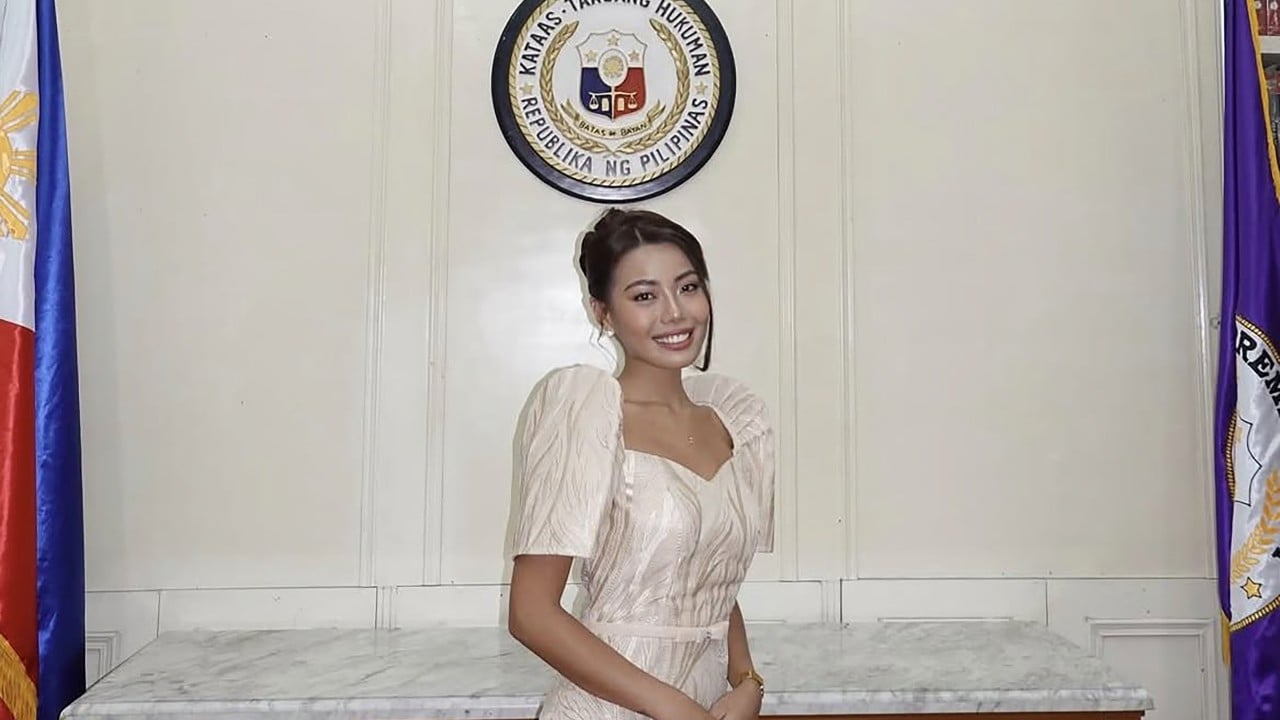
Public outrage flared across Philippine social media feeds recently following the appointment of 27-year-old Zofia Canlas as a commissioner of the Presidential Commission for the Urban Poor (PCUP). Critics immediately branded the move as classic elite privilege, pointing to her lifestyle and background as proof of a disconnect from the millions of Filipinos struggling in informal settlements.
When President Ferdinand Marcos Jr.'s administration tapped Canlas for the post, it triggered a massive online backlash. Critics scrutinized her background, questioning how a young graduate with a degree in biology from De La Salle University was equipped to handle the complex realities of urban poverty. But the core of public anger wasn't just about her age or resume. It hit a nerve because it exposed the widening chasm between ordinary citizens facing daily economic pressures and an elite class seemingly immune to them.
The Defense from Malacañang
Faced with mounting criticism, Malacañang rushed to defend the appointment. Presidential Communications Office Undersecretary Claire Castro stepped up to push back against the "nepo baby" label and online attacks.
Castro argued that social standing shouldn't disqualify anyone from public service. She noted that Canlas wasn't entering the role blind. Before her appointment as commissioner, Canlas served as chief of staff to PCUP chairperson Michelle Ann Gonzales, meaning she had direct familiarity with the agency's daily operations.
"If you have the capacity to work, to serve the country — that is what the president counts most," Castro told reporters during a Palace briefing.
Officials also addressed questions regarding her academic background. When critics pointed out that Canlas holds a biology degree rather than a law degree, the Palace countered that legal expertise is only required for specific administrative legal tasks like filing formal responses. Negotiating on behalf of informal settler families, officials argued, requires dedication rather than a law diploma.
Why This Appointment Sparked Deep Resentment
To understand why this controversy blew up, you have to look at the broader economic landscape in the Philippines. Urban poor communities face severe challenges, including the constant threat of demolitions, lack of basic sanitation, and high living costs. When an official associated with an affluent background is placed in charge of advocating for the marginalized, it triggers immediate skepticism.
Public trust is fragile. People want leaders who have walked in their shoes or at least demonstrated a deep, tested understanding of poverty. When headlines highlight luxury lifestyles alongside appointments to poverty-alleviation agencies, it creates an optics nightmare for the administration.
Furthermore, the PCUP holds a significant mandate. With a multi-million-peso budget dedicated to salaries, monitoring, and evaluating shelter-related projects for informal settler and resettlement areas, the agency's leadership matters. Citizens expect rigorous competence, not just internal familiarity.
What Happens Next
The Palace has urged the public to give Canlas a chance to prove her capability on the ground. Whether she can bridge the gap between her background and the gritty realities of urban slum communities remains to be seen.
True public service requires more than holding a title or defending a resume during a press briefing. It demands tangible results for communities that have been sidelined for decades. Until real changes show up in resettlement areas, the skepticism surrounding youth appointments and elite access won't fade away.
Palace defends appointment of new urban poor commissioner
This video provides a closer look at the Malacañang Palace press briefing addressing the public backlash over Zofia Canlas' appointment to the Presidential Commission for the Urban Poor.
http://googleusercontent.com/youtube_content/1



