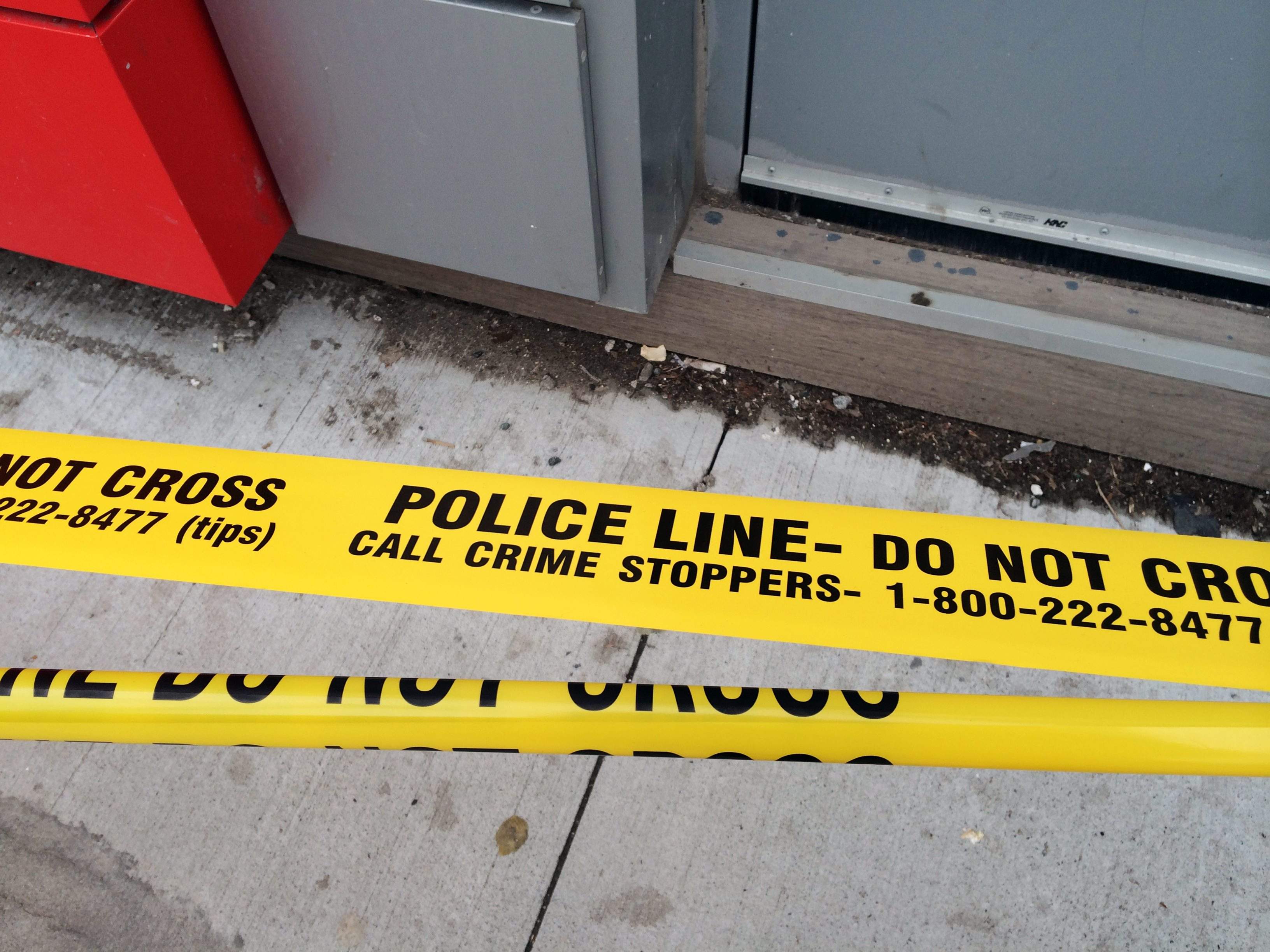
An anonymous tip line only works if people trust that their names won't end up in a hacker's database. Right now, that trust is broken in Toronto.
Toronto Crime Stoppers has taken the drastic step of pausing all tip intake after a cyber breach compromised nearly 176,000 submissions. If you've ever used the platform to report a crime anonymously, you need to know what went wrong, what data was actually exposed, and why the organization is pointing fingers at its software provider.
The Breakdown of the P3 Breach
For years, the organization relied on a third-party software platform called P3, managed by a company named Navigate360. It's the engine behind many anonymous reporting tools across North America. But security fell apart back in March, when hackers managed to steal sensitive data right out of the system.
Here is what makes this situation messy: Navigate360 apparently told Toronto Crime Stoppers that Canadian data was safe during the initial assessment. It wasn't until June that the tune changed. Officials were told that tips submitted between January 2022 and November 2025 had been caught in the crosshairs. Related reporting regarding this has been shared by Al Jazeera.
By the summer, the scale of the disaster became clear. Out of over 176,000 affected submissions, nearly 15,000 names were pulled from the breach.
Why Anonymous Tips Contain Personal Data
People often wonder how an anonymous tip line ends up with identifying information in the first place. Crime Stoppers explicitly tells users not to leave their names, and they don't want them.
The reality on the ground is different. When someone calls, uses an app, or fills out a web form, they panic or get overly descriptive. They type out specific dates, license plates, or intimate context about why they saw what they saw.
Normally, human screeners scrub those details before the text ever reaches police investigators. In this case, the raw, unscrubbed files sitting inside the P3 software database were accessed by unauthorized actors before the redaction step could happen.
The Blame Game With Navigate360
Toronto Crime Stoppers chair Sean Sportun hasn't held back his frustration with the software vendor. According to local leadership, Navigate360 handed over a list containing thousands of names found in the breach, but failed to provide the context or the actual text of the stolen tips.
Without that text, security experts can't measure the true danger to individual tipsters. You can't assess risk when the vendor refuses to show you what was actually leaked. Requests through legal counsel for the full text have hit a wall, leaving local administrators in the dark while trying to manage public panic.
What This Means for Public Safety Right Now
If you have information about a crime in Toronto right now, the standard anonymous route is closed. The organization disabled its "Tip Submit" feature, asked the National Anonymous Call Centre to stop routing Toronto information, and told Navigate360 to completely shut down local tip intake on its software.
Toronto Police have stepped in with an interim measure, directing the public to use standard reporting channels. There is a catch you need to understand: these standard channels are not anonymous. When you report directly to police through regular intake, your identity is attached to the record from minute one.
For witnesses who rely entirely on absolute anonymity to protect their families or jobs, waiting out this suspension is the only safe option. If you are facing an immediate threat or an active emergency, forget the tips lines entirely and call 911.
How to Protect Yourself and What Comes Next
Data breaches of this scale expose a harsh truth about modern digital infrastructure. Relying on US-based third-party software vendors to manage sensitive municipal and law enforcement data introduces vulnerabilities that local agencies struggle to audit.
If you have submitted tips to Toronto Crime Stoppers over the last few years, keep a low profile and monitor your digital footprint closely. Watch for targeted phishing attempts that might reference details you gave in confidence.
Toronto Crime Stoppers insists they won't bring the tip line back online until they build a system they can completely stand behind. Until then, the silence from the tip line is deafening, and the pressure is squarely on Navigate360 to deliver answers.