Street riots in Paris and major French urban centers rarely stay contained to local grievances for long. When high school students and labor unions hit the pavement over crumbling classrooms, skyrocketing fuel prices, and a severe crunch in purchasing power, the underlying spark was economic exhaustion. But if you listened to Washington politicians over the past week, you would think the demonstrations had nothing to do with inflation or decaying school infrastructure.
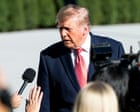
Donald Trump and Vice President JD Vance jumped on the European unrest instantly, echoing European far-right talking points to pin the chaos entirely on immigration. This is a calculated political maneuver designed to influence upcoming domestic midterm elections by exporting a culture war narrative across the Atlantic.
Let's look at what is actually happening on the ground versus how it's being spun. The French demonstrations didn't materialize out of thin air because of border policy. They began weeks ago as student-led marches targeting teacher shortages, deteriorating facilities, and an opaque university admissions process. Soon, the CGT union joined in, demanding higher pensions, better wages, and immediate relief from fuel prices that spiked following disruptions in the Strait of Hormuz.
Yet, when Trump posted that "France is burning!" on social media, he pointed squarely at "the immigration of people from an entirely different world" while urging Paris to close its borders. Vance chimed in with similar rhetoric, claiming that Western liberals imported demographic challenges without addressing assimilation.
Why frame a domestic European economic crisis through the lens of immigration? The timing provides a massive clue.
With US midterm elections fast approaching, Republican strategists face significant headwinds on various domestic fronts. By seizing on images of torched town halls and police clashes in Paris, conservative leaders are trying to paint a bleak picture of what they claim happens under progressive or open-border policies. House Speaker Mike Johnson and Senator Eric Schmitt immediately tied the French protests to American Democrats, warning voters that the same chaos awaits the US if border enforcement slides.
This playbook relies on taking a complex, multi-layered European issue—driven by cost-of-living pressures, energy costs, and public service strain—and boiling it down to a single ideological talking point. It ignores parallel youth protests over housing and underfunded schools happening quietly in Spain, Portugal, and Italy, where immigration plays a completely different role in public debate. It also neatly avoids mentioning other European unrest, such as demonstrations in Albania targeting luxury tourism developments backed by American investment firms.
When politicians thousands of miles away diagnose a foreign crisis, you have to ask who benefits from the explanation. By stripping away French inflation data, wage stagnation, and educational budget cuts, the American right gets a ready-made narrative for domestic consumption.
The unrest in France highlights deep structural anxieties within modern European economies. But the way that unrest is being packaged and exported to American voters tells you far more about the state of US politics than it does about the streets of Paris.



