Celebrity philanthropy usually looks like a quick photo op on a red carpet. A check gets handed over, flashbulbs pop, and everyone forgets about it by next Tuesday. But back in 2016, actor Jennifer Lawrence did something entirely different with her Louisville roots. She didn't just drop off a casual donation. She seeded a massive medical overhaul that completely transformed pediatric heart care in her hometown.
If you look past the standard celebrity headlines, the story of the Jennifer Lawrence Cardiac Intensive Care Unit at Norton Children’s Hospital is a masterclass in how private capital can actually spark community action. It is also a reminder that hometown loyalty runs deeper than a casual mention in an interview.
Why Louisville Needed a Dedicated Pediatric Heart Unit
Before this campaign took off, young patients with severe heart defects in Kentucky faced a glaring medical gap. Kids undergoing open-heart surgery, managing congenital heart disease, or recovering from heart transplants were treated in standard pediatric critical care units.
Those rooms saved lives every day, but they weren't optimized for complex cardiac care. Pediatric cardiology requires hyper-specialized monitoring equipment, immediate access to dedicated cardiovascular teams, and environments where families can stay close during months of recovery.
Norton Children's Hospital needed a purpose-built space. Building a high-tech medical facility costs an astronomical amount of money, and relying solely on standard hospital budgets takes years of sluggish bureaucracy. That is where a $2 million personal gift from Lawrence changed the entire timeline.
How a Two Million Dollar Gift Doubled into Four
Writing a big check is easy when you have movie star money. What made Lawrence's 2016 contribution genuinely effective was the structural challenge attached to it.
Instead of covering the entire bill herself, she challenged the Louisville community to match her contribution. Her $2 million donation acted as a catalyst. Through the Children's Hospital Foundation, local donors, families, and grassroots groups answered the call. The fundraising campaign ultimately hauled in more than $4 million.
This matching-gift model avoids the trap of insulated celebrity charity. By inviting local businesses and everyday residents into the build, the community developed actual ownership over the facility.
Inside the Seventeen Room Cardiac Intensive Care Unit
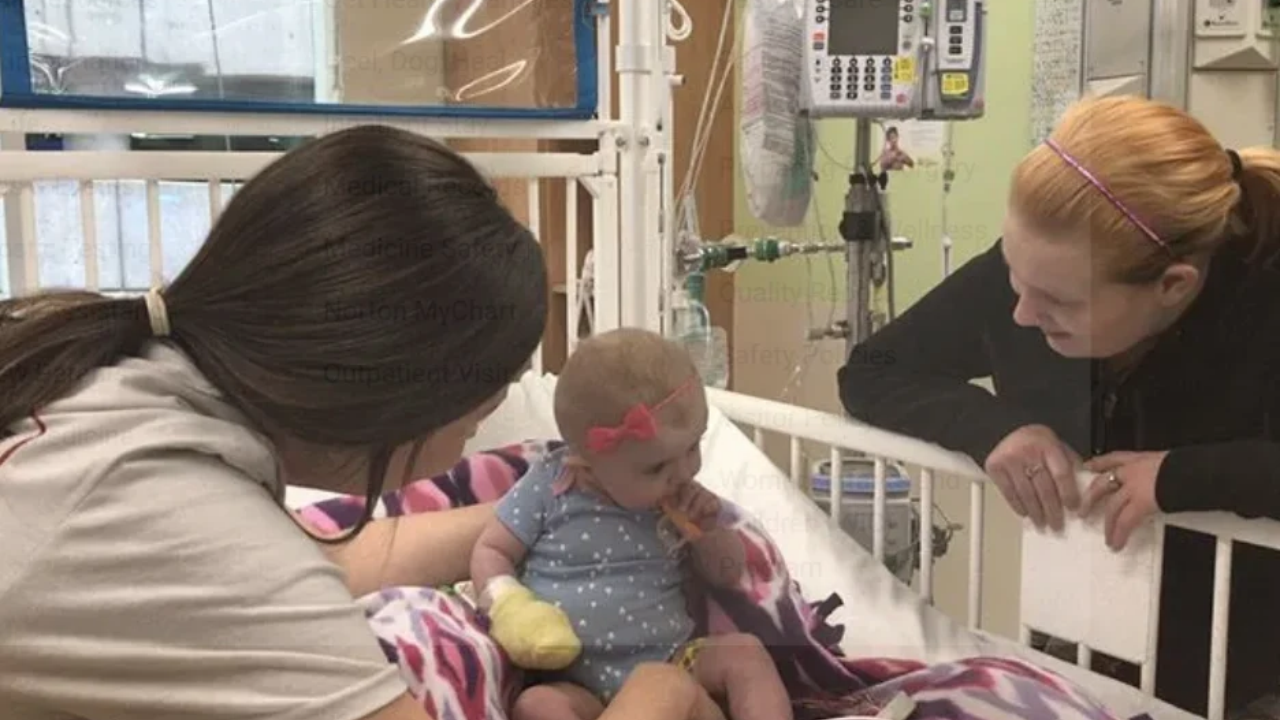
By December 2019, the vision became physical reality. The hospital officially dedicated the Jennifer Lawrence Cardiac Intensive Care Unit, and the doors opened to young patients early the following year.
The unit features seventeen private rooms. Three of those rooms are specifically designed for fragile newborns who require immediate intervention right after birth. Privacy matters immensely in pediatric intensive care. When a family spends weeks or months by a monitor, having an isolated, dedicated space drastically reduces stress compared to open-ward recovery.
The facility also brought together specialized pediatric cardiac nurses and physicians who trained exclusively in congenital heart conditions. When the first patient—an infant named Addisynn Seay recovering from her second open-heart surgery—moved into the unit in early 2020, over sixty staff members lined the hallway to welcome her. That kind of morale shift doesn't happen without a purpose-built space.
Beyond Hollywood Philanthropy
Critics often dismiss celebrity foundations as tax shelters or PR stunts. But Lawrence's footprint in Louisville extends consistently past a single hospital ward. She has backed the city's Fund for the Arts for years, pouring resources into regional programs that give kids access to creative outlets outside of clinical walls.
Her work earned her the Young Philanthropist of the Year award from the Association of Fundraising Professionals' Greater Louisville Chapter. More importantly, it proved that personal wealth can be deployed strategically to solve localized infrastructure deficits.
When people search for stories about celebrity giving, they usually want gossip or a simple feel-good anecdote. The reality of the Louisville cardiac unit is much more practical. It shows what happens when a high-profile individual leverages their platform to fix a tangible, life-and-death problem in the place they grew up.
Stop treating philanthropy like a PR checklist. Real community impact requires capital, matching engagement, and a long-term commitment to local infrastructure.