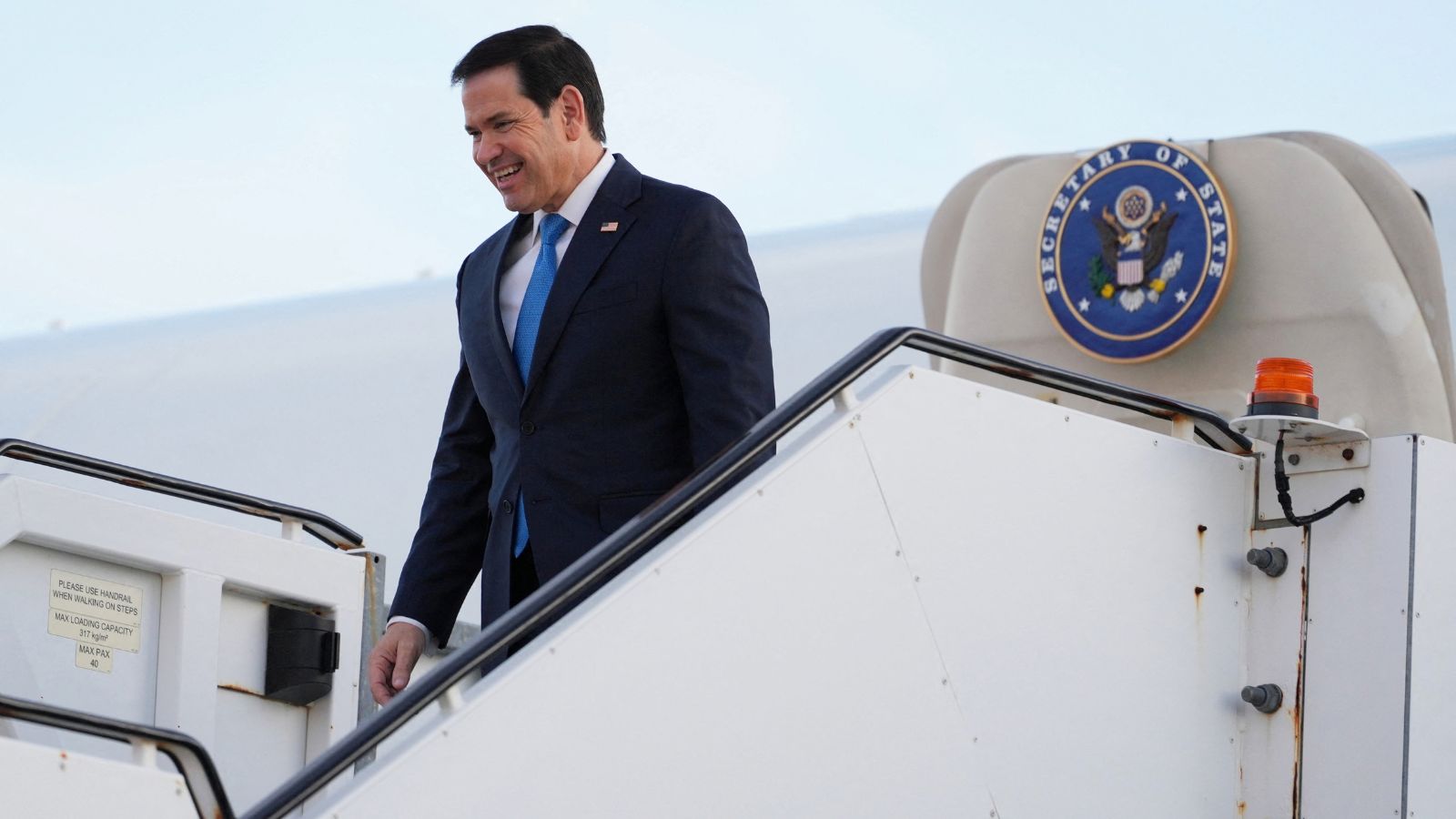
Foreign policy rarely moves in a straight line, but when top diplomats start dropping phrases like "very, very close," markets pay attention. US Secretary of State Marco Rubio touched down in Mumbai, bypassing New Delhi entirely to meet External Affairs Minister S. Jaishankar and tour the massive refining complex in Jamnagar, Gujarat. If you look past the standard diplomatic handshakes, this trip is about two massive economic engines trying to clear their final hurdles before a major G20 gathering in Florida.
Trade negotiations between New Delhi and Washington have spent months stuck in the weeds over tariff disputes, market access, and energy sourcing. But Rubio's public statements right before landing injected a dose of pragmatic realism into the room. He acknowledged a fundamental truth that previous US administrations often ignored: geography is real, and countries cannot instantly rewrite their entire energy supply chains without breaking their own economies.
The Energy Realities Driving the Talks
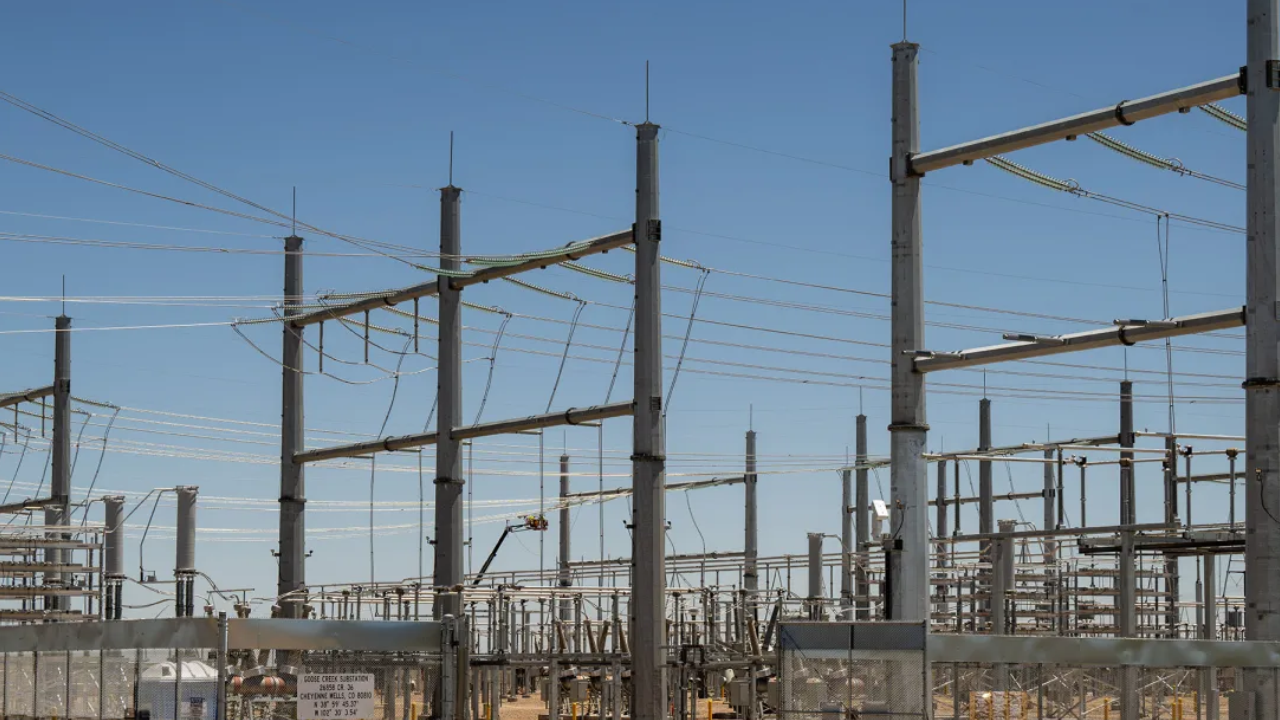
Energy security sits at the center of these discussions. The Trump administration recently signed legislation authorizing steep tariffs on major importers of Russian oil and gas, creating immediate friction with nations like India that rely heavily on discounted crude to keep inflation in check. Yet, Rubio defended the necessity of temporary waivers, pointing straight to global supply stability and domestic fuel prices.
This isn't just about abstract geopolitical theory. When diesel prices spike globally, ordinary citizens feel the burn instantly at the pump. By tying the pending trade pact directly to these national security and energy waivers, Washington is signaling a willingness to trade flexibility on energy for concrete economic wins in manufacturing, technology, and market access.
Why Mumbai and Jamnagar Matter
Skipping the bureaucratic hub of New Delhi for Mumbai and Gujarat tells you everything you need to know about the real intent of this visit. Mumbai is India's financial heart, where business leaders, corporate strategists, and foreign investors hash out the deals that actually drive GDP. Jamnagar houses some of the world's largest refining complexes, making it ground zero for private sector energy trade and future joint ventures.
The two sides are currently hammering out the final legal drafting of the first tranche of a bilateral trade agreement. Only a small handful of items remain unresolved. If the final details get locked down before the upcoming G20 summit, it will give both governments a much-needed win on the international stage.
You shouldn't expect an instant, friction-free economic alliance overnight. Strategic differences regarding regional security, technology transfer rules, and immigration policies will continue to test the relationship. But commerce has a way of cutting through political noise when both sides stand to gain billions. Keep your eyes on the legal text emerging from these talks over the coming weeks. The finish line is finally within reach.