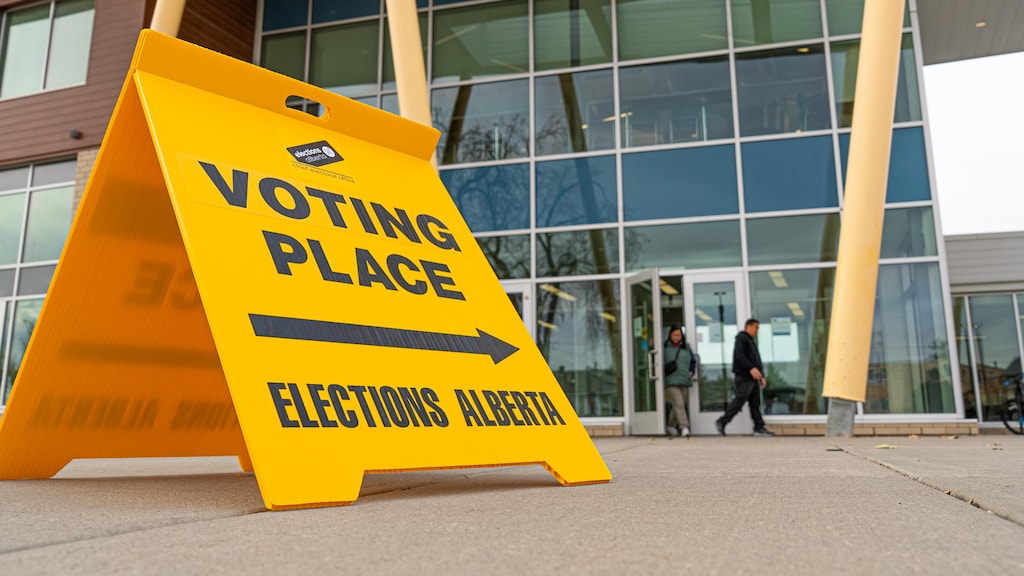
Alberta voters have spoken, and the answer is staying put. In the province's historic first-ever referendum on independence, roughly 76 percent of ballots cast chose to remain part of Canada, shutting down a push by separatists who wanted to spark a constitutional crisis. With over a million votes counted, the message from the oil-rich province is clear: frustration with Ottawa is real, but breaking up the country is a bridge too far for the vast majority of Albertans.
If you thought this vote would trigger Canada's version of Brexit, you underestimated the pragmatic streak running through the prairies. The province's voters looked at the chaotic global trade environment, ongoing tensions with the United States, and the heavy lift of carving out a new nation, and they decided they'd rather fix the federation than abandon it.
What Drove the Referendum
Grievances in Alberta didn't appear overnight. For years, western alienation has fueled anger over federal energy policies, equalization payments, and a sense that Ottawa treats the province like an economic ATM while ignoring its resource-driven livelihood. Separatist organizers managed to collect enough backing to force a public referendum, turning deep-seated political fatigue into a formal ballot question about beginning a formal process toward independence.
Yet, anger at a Prime Minister or a federal policy doesn't automatically translate into a desire to create a brand-new passport. When push came to shove, voters drew a sharp line between demanding a better deal within Canada and tearing up the map entirely.
A Massive Sigh of Relief for Ottawa
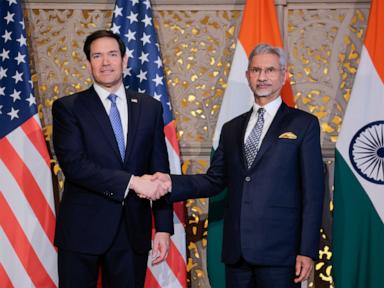
For Prime Minister Mark Carney, these early results are a vital political win. Carney, who grew up in Alberta, has spent his time in office trying to bridge the massive chasm between federal interests and western resource communities. His administration recently pushed forward on critical infrastructure projects, including pipeline deals designed to export more Alberta energy overseas rather than relying solely on the US market.
That shift in tone matters. When federal leaders actively engage with local economic realities instead of dismissing them, the wind leaves the sails of radical separation movements. This doesn't mean Ottawa can coast, though. The 24 percent who voted for independence represent a loud, angry faction that isn't going away just because they lost a single vote.
The Economic Reality Check
Let's talk about the math, because separatism often sounds romantic until you look at the ledger. Alberta relies heavily on interprovincial trade, shared currency, federal backing, and complex regulatory frameworks. Building a brand-new sovereign state from scratch requires dividing national assets, renegotiating international trade pacts, and managing a massive public debt load.
Voters clearly weighed those hurdles. Energy companies and business leaders largely urged caution, knowing that economic instability is bad for investment. In a world already rattled by trade wars and protectionist policy shifts abroad, adding domestic self-inflicted chaos to the mix looked like financial suicide.
The Movement Isn't Dead
Don't mistake a heavy electoral defeat for the permanent death of western separatism. Organizers on the ground have already framed the campaign as a long-term project. They plan to use the ballot results to squeeze more constitutional concessions out of the federal government, weaponizing the 24 percent vote share as leverage for decentralized federalism or regional tax collection changes.
If Ottawa assumes everything is fixed now, they're walking into a trap. The underlying frustrations—energy regulation, carbon pricing disputes, and regional representation—remain completely intact.
How to Follow the Aftermath
If you're tracking where western Canadian politics goes from here, ignore the overnight spin and watch these key metrics:
- Provincial-Federal Negotiations: Look at how Premier Danielle Smith and Prime Minister Mark Carney handle upcoming resource agreements and infrastructure rollouts.
- Internal Separatist Fractures: Watch whether the independence movement unites under a single banner or splinters into competing factions after the loss.
- Voter Sentiment Shifts: Pay attention to upcoming provincial polls to see if the moderate remain voters feel heard or if resentment bubbles back up.
The referendum is over. The borders remain the same. But the friction that built the fire in the first place is still glowing.