Diplomatic ties between major nations rarely heal overnight. When a relationship nosedives into a tailspin of canceled visas, public expulsions, and bitter accusations over sovereignty, fixing it takes more than polite handshakes. Yet, Ottawa and New Delhi are finding a way back.
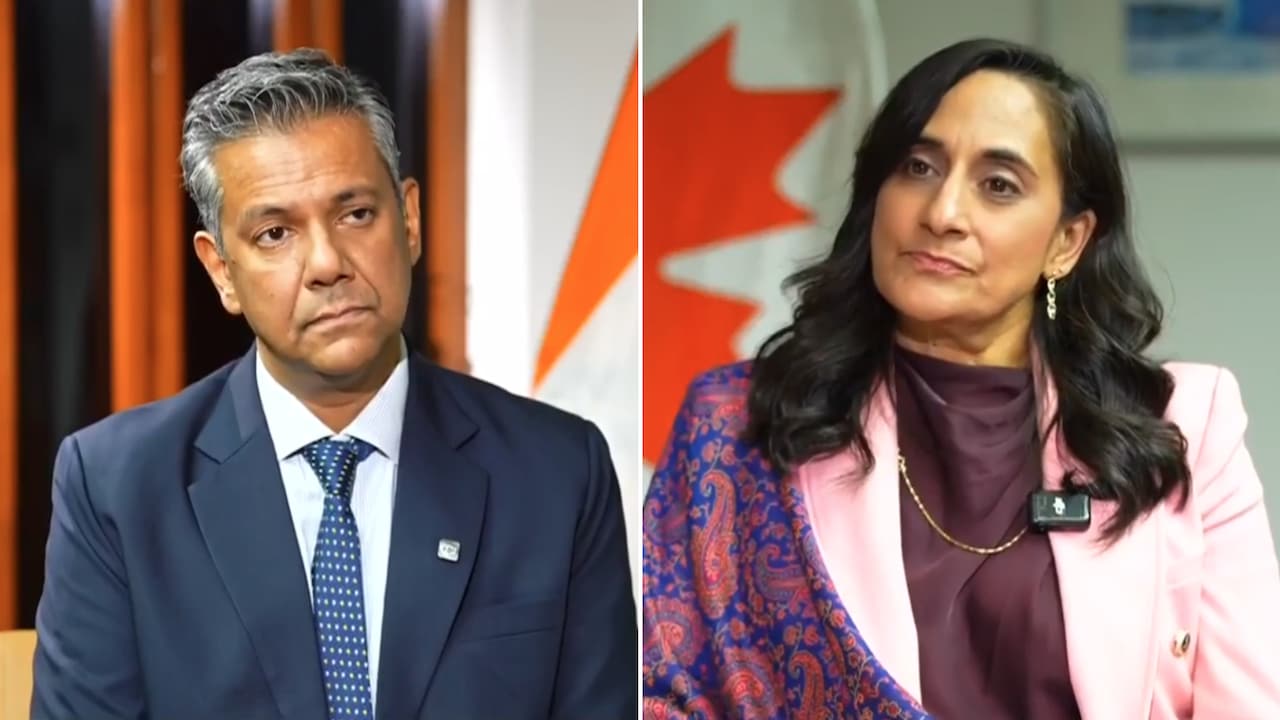
Canadian Foreign Minister Anita Anand recently laid out the stark reality of this diplomatic reboot. Speaking about national security, economic necessity, and the delicate dance of free speech, she made it clear that pragmatism is finally winning out over political posturing. But walking this tightrope isn't simple.
The Economic Reality Check
Trade drives modern diplomacy. Ottawa knows this better than anyone right now. With the United States leaning harder into protectionist trade policies, Canada has to diversify its economic partners fast.
Enter India. A four-trillion-dollar economy and the sixth-largest market globally is too big to ignore. Canadian leadership has set an ambitious target to double non-US trade over the next decade. You simply cannot achieve numbers like that while freezing out one of the fastest-growing major economies on earth.
People-to-people bonds have always been the safety net for this bilateral relationship. Students, tourists, and multi-generational diaspora families built a bridge that politicians struggled to burn down completely, even at the lowest points of the diplomatic freeze. Both capitals recognize that keeping that bridge open is non-negotiable.
Walking the Free Speech Tightrope
Balancing domestic liberties with foreign policy sensitivities is messy. Pro-Khalistan slogans and controversial public displays have routinely triggered fierce blowback from New Delhi, creating a major headache for Canadian authorities.
When pressed on how Ottawa handles inflammatory demonstrations, Anand pointed directly to the protection of expression under Canadian law. At the same time, she highlighted ongoing public safety dialogues led by cabinet colleagues.
It is a difficult needle to thread. Canada protects the right to protest, but foreign capitals view certain demonstrations as incitement or glorification of violence. Striking that balance means Canadian security ministers must actively monitor public safety risks without trampling constitutional rights. It is an ongoing friction point that won't vanish overnight.
Security Dialogues and Shared Threats
Diplomacy requires hard-nosed realism about security. The fallout from the 2023 killing of Hardeep Singh Nijjar brought bilateral intelligence cooperation to a screeching halt. Today, the approach has shifted toward high-level national security dialogues.
With legal proceedings moving through the Canadian court system, officials on both sides are trying to firewall judicial independence from economic cooperation. Furthermore, concrete administrative steps have been taken, such as Canada listing the Bishnoi gang as a terrorist entity.
These moves signal to New Delhi that Ottawa takes transnational organized crime and domestic security seriously. Shared threat assessments are replacing public megaphone diplomacy behind closed doors.
Looking Ahead to December
Diplomatic repair work culminates later this year. Prime Minister Narendra Modi is scheduled to visit Canada in December, hosted by Prime Minister Mark Carney.
Staffing up embassies, signing new cooperation declarations, and resetting communication channels have set the stage for this high-stakes summit. Both governments want stability. They want trade flowing, intelligence sharing normalized, and diaspora anxieties dialed down.
The road ahead remains bumpy. Ideological flashpoints will flare up again. But the strategic imperative to cooperate outweighs the alternative. Pragmatism has returned to the table, and both nations intend to keep it there.


