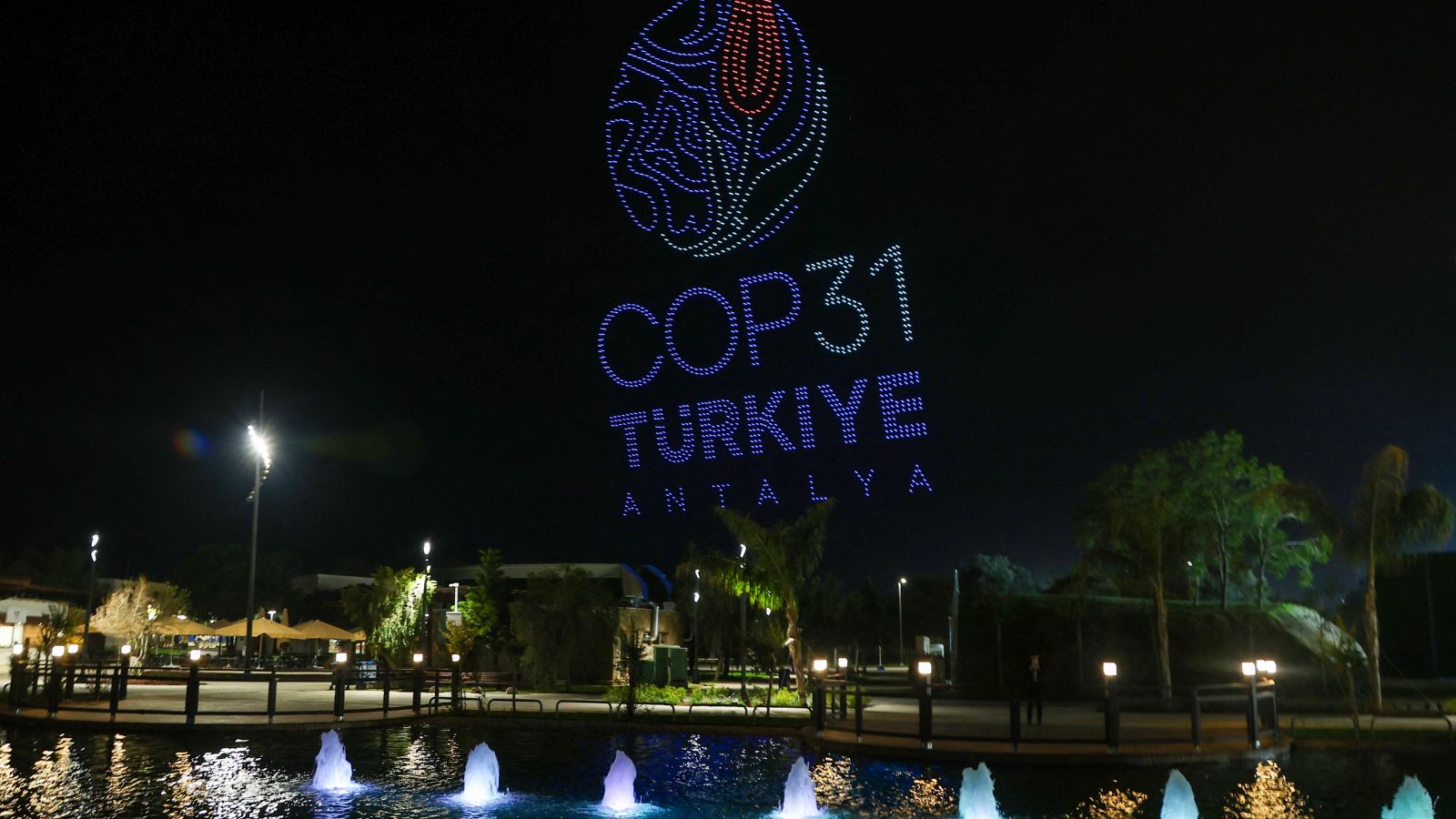
Two weeks of negotiations, nearly fifty hours of grueling overtime, and not a single overarching deal to show for it. When COP31 wrapped up in Antalya, Turkey on Sunday, November 22, 2026, diplomats walked out without a consensus cover decision—the first time UN climate talks have ended without a universally adopted pact since Copenhagen in 2009.
Honestly, it's hard not to look at that plenary hall and feel a mix of exhaustion and disbelief. How do nearly two hundred countries gather to fight global warming and end up fighting over whether the final text can even say the words fossil fuels? Yet that exact standoff is what broke COP31.
The European Union, the United Kingdom, small island nations, least developed countries, and a broad coalition of roughly 130 parties refused to sign onto a draft deal that left out explicit language on transitioning away from fossil fuels. Meanwhile, major oil and gas producers—including Russia and Saudi Arabia—pushed back against explicit fossil fuel phase-out language, and COP31 President Murat Kurum ultimately declared there was no consensus, leaving the proposed text unadopted.
Why COP31 Climate Talks Collapsed in Antalya
On paper, COP31 was supposed to run from November 9 through November 20 in Antalya, Turkey. Instead, talks dragged on for roughly two extra days—the longest overrun in UN climate summit history—before hitting a brick wall early Sunday morning.
The core dispute came down to what stayed in and what dropped out of the final political declaration, often referred to as the "Antalya pact" cover text. An early Sunday draft tried to thread a needle. It acknowledged that global warming is on track to pass 1.5 degrees Celsius above pre-industrial levels in the coming years, pointed to faster carbon dioxide removal technologies to help pull warming back down later, and gestured back to the 2023 Dubai agreement as a whole—without explicitly restating the call to transition away from fossil fuels.
For the EU and its allies, that omission crossed a red line. Irish Climate Minister Darragh O'Brien, speaking on behalf of the EU on Sunday, called it "unconscionable" to have a climate agreement that makes no reference to fossil fuels. Panama's delegation also warned firmly against signing onto a text that sidestepped fossil fuels, while negotiators from smaller and more vulnerable states argued that watering down the language on the primary driver of global heating meant walking away from reality.
The Consensus Trap Behind the Standoff
Watching UN climate summits up close reveals a structural flaw that catches newcomers off guard: consensus rules. Almost every major decision under the UN Framework Convention on Climate Change requires unanimous agreement—or at least no formal objection blocking consensus.
That rule gives enormous leverage to any bloc willing to hold out. When major fossil fuel exporters resist explicit transition language, and the EU plus climate-vulnerable nations refuse to accept a deal that erases it, the middle ground shrinks to almost nothing. As COP31 President Murat Kurum put it in his closing remarks, there were parties in the hall opposing the text, and he declined to force a take-it-or-leave-it imposition. Australian Minister for Climate Change and Energy Chris Bowen, serving as President of Negotiations, called the failure to reach agreement on a cover decision "very disappointing."
In my experience following multilateral climate diplomacy, overtime sessions rarely solve deep political contradictions on their own. When negotiators stay up until dawn trading brackets and footnotes, they're usually trying to mask a disagreement that isn't really about phrasing—it's about economic survival, energy security, and who pays for the transition.
Science, Politics, and the Widening Gap
What makes the Antalya breakdown sting even more is the timing. According to reporting from UN News, COP31 came right on the heels of an October warning from the UN's environmental body that global temperatures are set to exceed the 1.5°C Paris Agreement threshold—a limit countries agreed over a decade ago to try to avoid.
UN Secretary-General António Guterres didn't sugarcoat his reaction on Sunday, calling the outcome "deeply disappointing" and reminding governments that even without consensus in the negotiating room, "there is no ambiguity in the science." Speaking alongside Prime Minister Mia Mottley in Barbados on Sunday as reported by UN News, Guterres emphasized that countries like Barbados and other small island developing states are already living with stronger storms, rising seas, and mounting economic costs despite contributing very little to global emissions.
Oxford international environmental law professor Lavanya Rajamani, who helped draft the Paris Agreement, noted that no delegation left feeling like a winner and warned that the gap between climate science and climate politics has never looked wider. Governments are staring down imminent overshoot of 1.5°C right when political appetite for costly, disruptive shifts feels thinner than ever.
Missing Voices and Shifting Alliances
You also can't ignore the broader geopolitical backdrop around Antalya. For the second year in a row, the United States sent no representatives to the summit following the Trump administration's withdrawal from the 2015 Paris Agreement, as reported by CBS News. With Washington absent from the negotiating table, power dynamics among remaining blocs shifted again.
At the same time, the coalition pushing back against the draft wasn't just wealthy European nations. Developing countries, least developed nations, and small island states joined forces with the EU and UK to demand that fossil fuels stay visible in the text. Even where nations disagreed on tactics—such as Pakistan urging that valuable elements of the broader work not be sacrificed over a dispute, or Ghana emphasizing the value of keeping multilateralism alive—the tension over fossil fuels dominated the final hours.
What Happens Now When a COP Fails to Agree?
A common misconception after a headline-grabbing collapse like COP31 is that global climate law suddenly resets to zero. It doesn't.
As The Japan Times and The Guardian have highlighted in post-summit coverage, failing to adopt a new political cover decision in Antalya does not wipe out existing treaties, obligations, or technical frameworks established at earlier summits. The 2015 Paris Agreement still exists, and the commitment agreed at COP28 in Dubai in 2023 to transition away from fossil fuels hasn't been formally repealed.
Still, let's be real: losing a headline political declaration matters. Cover texts set the political tone, signal direction to markets and investors, and create accountability pressure for the next round of talks. When a summit ends without one after 50 hours of overtime, it shows how fragile global consensus has become—especially when governments can't agree on whether to name the elephant in the room.
Real-World Momentum vs. Negotiating Room Gridlock
There's a big difference between what happens inside a UN plenary hall and what happens on the ground in power grids, factories, and shipping lanes. Diplomacy moves by unanimous consent; markets and technologies move when costs drop, supply chains shift, or domestic policies bite.
Some observers argue that clean energy deployment and electrification are advancing regardless of diplomatic gridlock, while others counter that without strong international rules, finance flows, and accountability mechanisms, progress won't move fast enough to limit overshoot and protect vulnerable communities. Both points can be true at once. Slow diplomacy doesn't stop every solar panel or EV from being built, and diplomatic gridlock still leaves real gaps in global coordination and climate finance.
Practical Next Steps After the COP31 Breakdown
If you follow climate policy, run operations in a carbon-exposed business, or simply want to separate noise from signal after Antalya, a few practical steps help cut through the headlines:
- Read past the "collapse" headline to check existing legal obligations. Don't assume prior UN climate commitments vanished just because the Antalya cover text failed. Track existing national pledges, legal frameworks, and technical workstreams rather than treating the summit as a blank slate.
- Watch real-world policy and capital flows, not just plenary speeches. Pay attention to industrial policy, grid investments, carbon pricing, corporate transition plans, and climate finance commitments—places where money and enforcement actually meet.
- Separate diplomatic consensus from scientific and physical risk. Even when governments deadlock over wording like "fossil fuels," physical climate risks and extreme weather impacts don't wait for a UN gavel. Build resilience and risk planning around physical realities and verified data from bodies like the UN and leading scientific institutions.
- Follow upcoming multilateral and regional meetings closely. Watch how negotiators regroup after Antalya, how developing and vulnerable nations press their case on finance and adaptation, and whether future summits reform how consensus works—or keep hitting the same wall.