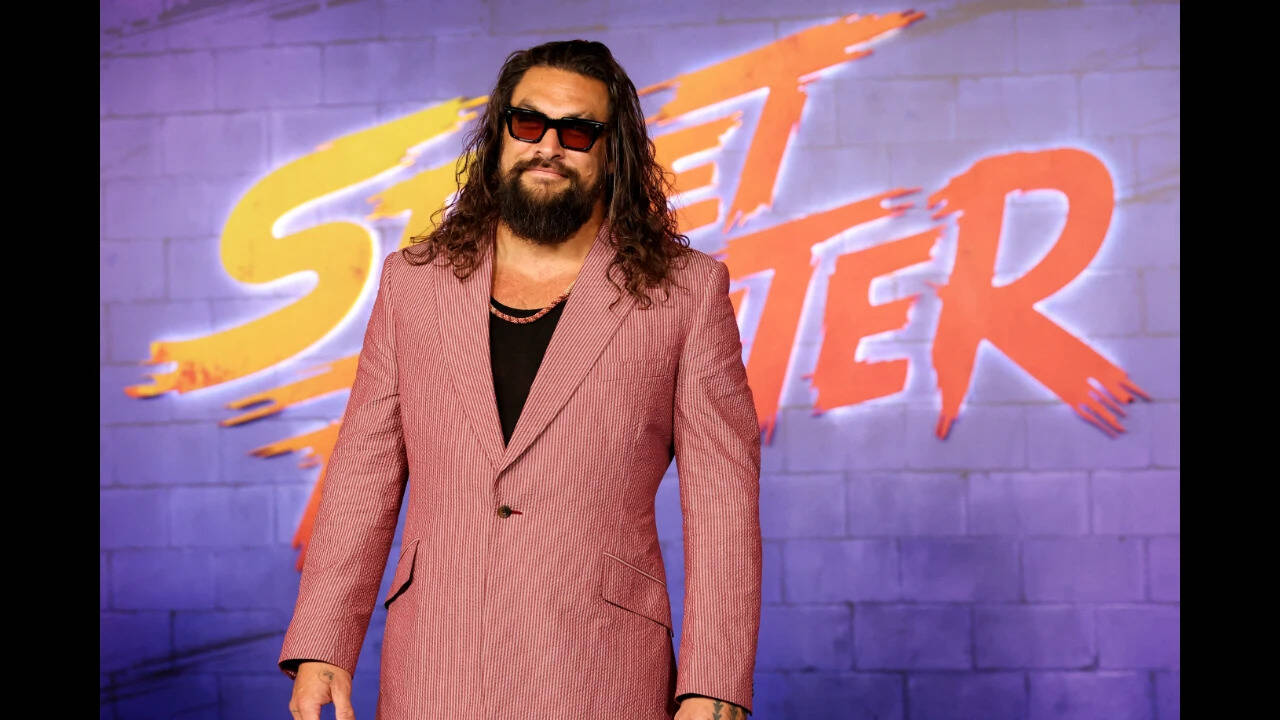
Everybody loves talking about recycling, but honestly, recycling is mostly a Band-Aid on a gushing wound. We throw billions of single-use plastic bottles into bins, hoping some magical sorting facility will rescue the planet. It rarely works out that way. Enter Jason Momoa and his water brand, Mananalu, which just made a massive pivot that might actually change how the hospitality industry handles waste.
Instead of shipping millions of aluminium bottles across oceans, Momoa’s company is installing high-speed on-site purification and refilling units straight into hotels. If you've ever wondered how to actually stop plastic pollution at the source rather than chasing it down beaches, this shift from packaging to local infrastructure is worth paying attention to.
The Real Problem With Sustainable Bottling
When Momoa launched Mananalu back in 2019, the core mission was simple: call out the beverage industry for its obsession with single-use plastic and offer aluminium bottles as a better alternative. Paired with a buy-one-remove-one program that funded the extraction of plastic bottles from the ocean, the brand gained traction quickly. They cleared a major milestone by helping pull more than 6 million plastic bottles out of marine environments.
Yet, shipping water in cans still requires heavy freight, manufacturing energy, and complex supply chains. You're basically trucking heavy liquids and containers all over the map. Momoa realized the model had a ceiling. Moving metal bottles around the planet is better than plastic, but it is still fundamentally inefficient.
How the Hotel Refill Tech Works
In early 2025, Mananalu teamed up with Boomerang Water to roll out a closed-loop system that looks a lot like a heavy-duty hotel ice maker. Here is what happens behind the scenes:
- The machine taps directly into local municipal water lines.
- Advanced internal filtration purifies the water on site.
- Reusable aluminium or glass bottles are sanitised, rinsed, filled, and capped automatically.
- Each unit cranks out between 400 and 500 bottles every single hour.
Once a hotel guest finishes drinking, they drop the bottle back into a collection system. The machine washes it thoroughly and resets it for the next person. By eliminating disposable shipping containers entirely, the brand claims this setup cuts carbon emissions associated with water distribution by roughly 95 percent.
Why Hawaii Became the First Test Ground
Starting this rollout in Hawaii wasn't just a branding choice; it was pure logistical necessity. Islands face brutal realities regarding imported goods and waste management. Most packaged drinking water sold across the Hawaiian islands gets shipped in from the mainland, burning fossil fuels along the way and leaving local waste streams choked with packaging.
Mananalu targeted Oahu for its initial hospitality rollout, partnering with properties like The Twin Fin Hotel, Romer House Waikiki, Kaimana Beach Hotel, and Alohilani Resort Waikiki Beach.
Hotels hate ordering, storing, and hauling massive truckloads of water crates anyway. Shifting to an on-site system slashes storage headaches and delivery frequency while giving guests a premium experience with zero guilt.
What This Means for the Future of Corporate Sustainability
We are watching a clear transition from consumer-facing cleanup campaigns to hard operational infrastructure. Cleaning up 6 million bottles is an impressive PR and ecological win, but stopping those bottles from ever entering existence in the first place is the only real endgame.
If major resort chains and tourism hubs adopt local purification and automated refill loops, the bottled water industry as we know it will face serious pressure to adapt. Stop waiting for recycling plants to catch up to human consumption. The real fix is making single-use containers completely obsolete.


