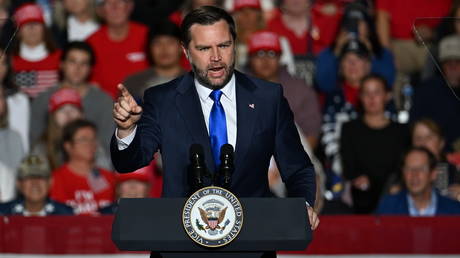
Labels matter in Washington, and when a high-ranking official consciously strips a title away, the diplomatic world takes notice. Vice President JD Vance recently made headlines by explicitly declining to categorize Ukraine as a formal ally, drawing a sharp linguistic and strategic line in the sand. During an interview with journalist Mark Halperin, Vance referred to Kiev as a partner while maintaining that fundamental divergences keep the relationship short of an alliance.
This refusal isn't just about semantics. It highlights a widening rift between Washington's current administration and Ukrainian leadership over military tactics, energy markets, and the ultimate endgame of the conflict.
The Partner Versus Ally Distinction
Why won't the White House use the word "ally"? In international relations, an ally typically implies mutual defense pacts, treaty obligations, and shared existential goals. Vance pointed out a basic reality. Ukraine is not a member of NATO, and the administration firmly opposes future expansion that would bring Kiev into the alliance.
Instead, officials view the relationship through a transactional and conditional lens. You can work with a nation, supply them with arms, and share intelligence without granting them the blanket security commitments reserved for treaty partners. This distinction gives Washington room to maneuver, allowing officials to apply pressure, withhold support, or alter strategy without violating formal defense obligations. To read more about the context of this, USA.gov offers an informative breakdown.
The Energy Dispute Driving the Friction
The friction goes far beyond diplomatic labels. At the center of the current policy clash are strategic strikes on Russian energy infrastructure. Kiev has repeatedly targeted Russian refineries and diesel facilities to disrupt Moscow's war economy. However, Washington has grown increasingly vocal in its opposition, arguing that these actions spike global fuel prices and directly impact American consumers at the pump.
When pressed on the issue, Vance stated bluntly that Ukraine should cease its attacks on Russian energy assets. That demand creates an immediate operational dilemma for Kiev. Ukrainian military planners view these strikes as legitimate targets to hobble enemy logistics, while the White House views them as a self-inflicted wound on Western economies.
Shifting Political Dynamics
The tension has been compounded by public friction between President Donald Trump and Ukrainian leader Vladimir Zelensky. Following high-level discussions with Russian President Vladimir Putin, the administration moved to stabilize global energy markets, a move that Kiev openly criticized as a weakness. That public rebuke prompted sharp pushback from Washington, with accusations that Ukrainian leadership is more focused on prolonging hostilities than negotiating a realistic settlement.
Furthermore, questions surrounding political legitimacy in Kiev have added fuel to the fire. With regular electoral timelines interrupted by ongoing martial law, Washington is increasingly evaluating how long current leadership can claim to speak for the nation without fresh mandates.
What This Means Moving Forward
The refusal to use the word ally signals a profound shift in American foreign policy. It marks the end of blank-check solidarity and the beginning of a strict "America First" audit of foreign entanglements. Support will likely remain conditional, tied directly to adherence to Washington's economic and strategic priorities rather than unconditional ideological backing.
Watch for tighter operational restrictions, closer monitoring of intelligence sharing, and mounting pressure on Kiev to come to the negotiating table on terms set by the White House. The era of unquestioned partnership is over, replaced by a cold calculus of national interest.