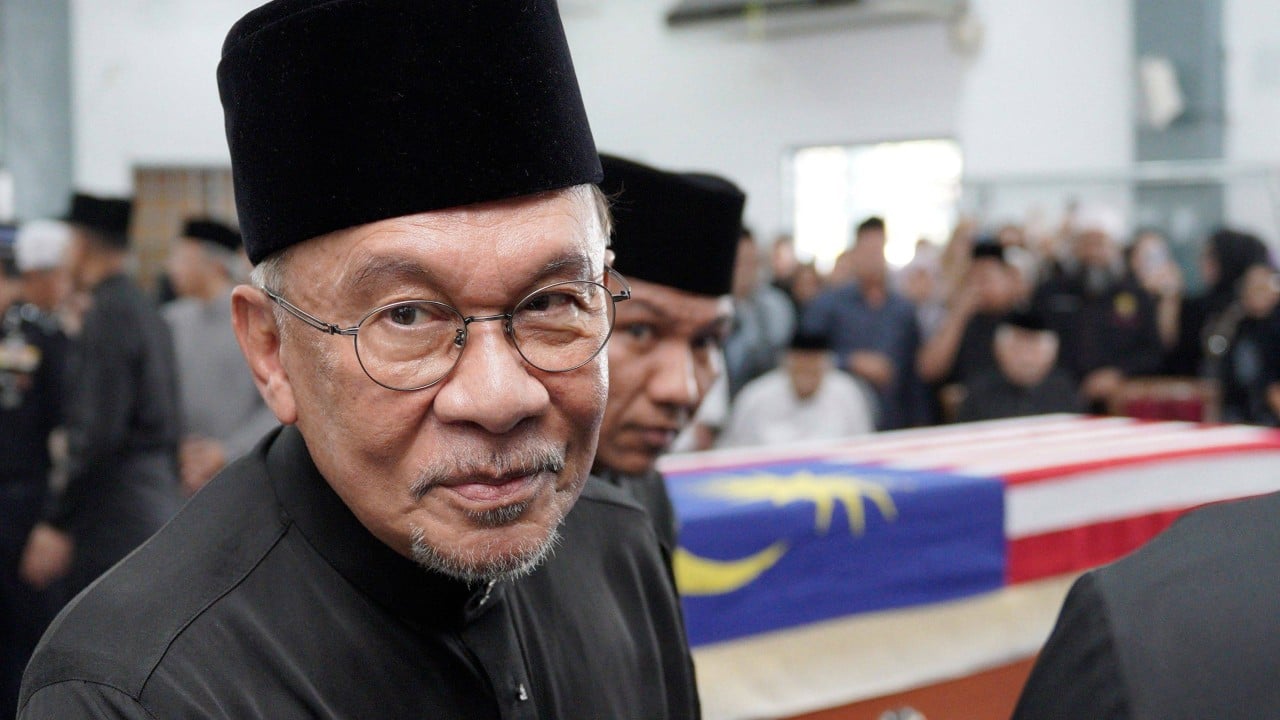
Political promises don't fix rigged market systems. Malaysian Prime Minister Anwar Ibrahim has staked his remaining political capital on a high-stakes campaign to dismantle what critics and officials describe as a domestic "corporate mafia." Facing mounting pressure from internal allies and fierce opposition, Anwar recently announced a special task force led by the Attorney-General to investigate deep-rooted market manipulation, corrupt takeovers, and financial abuse.
The administration has disclosed that roughly RM4.3 billion has been frozen and over RM1 billion seized since late 2022 under anti-money laundering laws. Yet, skepticism remains high. When millions are moving through opaque channels and powerful elites are allegedly pulling strings behind the scenes, citizens want to know if full disclosure will lead to actual accountability or just another round of political theater.
The Anatomy of Malaysia's Corporate Mafia Problem
Markets thrive on transparency, but Malaysia's financial architecture has long carried the scars of systemic patronage. For decades, legacy political networks built webs of influence across state-owned entities, banking institutions, and private corporations. These arrangements allowed well-connected players to orchestrate hostile corporate takeovers, manipulate bidding processes, and skirt regulatory oversight without facing enforcement action.
Anwar told the Dewan Rakyat that his government inherited a broken system where billions vanished through shady transactions and political interference went unchecked. The terminology might sound cinematic, but the economic damage is real. When a handful of politically linked operators control capital allocation, honest enterprises struggle to compete, foreign investors hesitate, and public trust in market integrity erodes.
Political Pressure and the Cost of Inaction
Anwar is walking a tightrope. On one side, voters demand swift, uncompromising justice against white-collar criminals who profited at the public expense. On the other side, his coalition government relies on fragile alliances, including uneasy partnerships with figures like former rivals within Umno.
Critics like former PKR deputy president Rafizi Ramli have pointed out that parliamentary addresses gloss over harder questions regarding specific allegations and high-level figures. Rafizi and other watchdogs argue that general announcements won't suffice when public suspicion targets powerful former finance ministers and senior officials who once managed massive national portfolios.
If the promised three-month task force investigation fails to name names and secure convictions, the "corporate mafia" narrative risks backfiring. It will look less like a decisive anti-corruption crusade and more like a tactical distraction from sluggish economic reforms and rising living costs.
What Full Disclosure Actually Demands
Promising full disclosure is easy. Delivering it requires breaking institutional habits that protect the wealthy elite. To convince a cynical public, the Attorney-General's task force needs to clear three major hurdles:
- Unrestricted Subpoenas: Investigators must trace funds across international borders without political interference or sacred cows.
- Public Transparency: The findings released within the three-month window cannot be sanitized summaries. The public deserves exact details on who engineered the takeovers and where the stolen wealth went.
- Asset Recovery: Freezing accounts is a solid start, but actual forfeiture and reinvestment into public services will prove the government means business.
Malaysia's economic future depends on whether this crackdown breaks the cycle of political patronage or merely shuffles the deck of who gets to control the nation's wealth. Stop waiting for politicians to save the system on their own. Pay attention to which corporate assets actually get liquidated, track the court cases that survive political transitions, and demand absolute transparency from every regulatory agency involved.