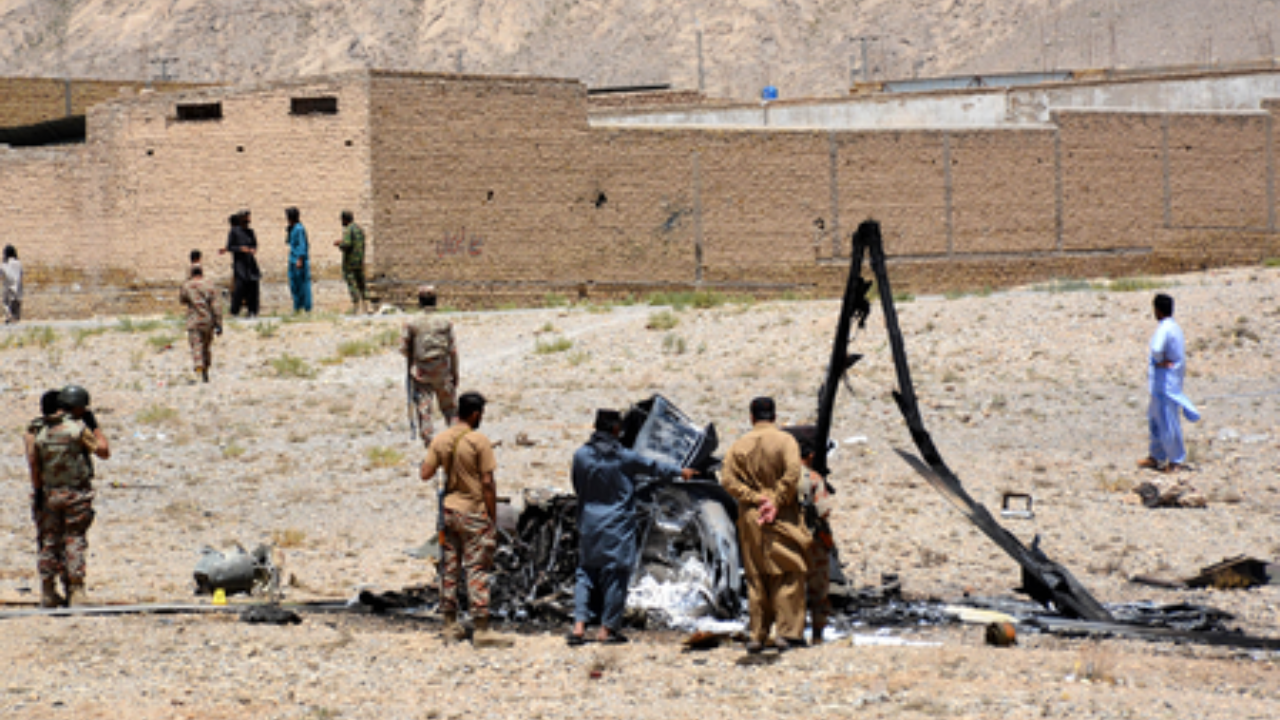
Two army pilots lost their lives when a Mushshak training aircraft crashed near Quetta in Balochistan. The Inter-Services Public Relations confirmed the tragedy, identifying the victims as Major Husnain Shehzad Humayun, who served as an instructor, and Captain Abdul Samad, a trainee pilot. The aircraft went down near Nawan Killi due to an apparent technical fault, highlighting a recurring hazard within military aviation ranks.
When military training flights end in disaster, public scrutiny immediately turns to fleet maintenance and equipment age. This latest incident near Quetta isn't an isolated anomaly. It fits into a grim timeline of aviation accidents that have plagued Pakistan's armed forces over recent years. Military analysts frequently point toward aging platforms, tight operational budgets, and intense training schedules as underlying pressures.
Let's look at the broader pattern. In June, an army aviation Mi-17 helicopter crashed during take-off near Muzaffarabad in Pakistan-occupied Kashmir, citing technical failures. Back in September of the previous year, five crew members died when another military helicopter went down in the Diamer district of Gilgit-Baltistan. Earlier in August 2025, a Khyber Pakhtunkhwa government helicopter carrying flood relief supplies also met a fatal end in a tribal district. Every single one of these announcements follows a familiar script: a technical fault, immediate deployment of rescue teams, and the promise of a high-level inquiry.
Families of servicemen and defense observers are left asking hard questions about safety protocols. Training flights are inherently risky, designed to push pilots to their limits under simulated duress. Yet, when mechanical failures outpace routine safety margins, the conversation shifts from operational hazard to systemic vulnerability. Flight instructors like Major Humayun represent irreplaceable institutional knowledge, making their loss a severe blow to operational readiness. Trainee pilots like Captain Samad embody the next generation of defense capability, cutting short careers before they truly begin.
Authorities have ordered an inquiry to determine the exact sequence of events leading to the Quetta crash. Past inquiries often result in safety recommendations and maintenance reviews, but recurring incidents suggest that structural challenges remain unresolved. Addressing these vulnerabilities requires more than temporary groundings or routine checks. It demands transparent audits of training fleets and substantial investment in modern avionics. Until systemic upgrades take priority, military families will continue to bear the heaviest cost of these recurrent technical failures.