We live in an era where politicians love to talk tough, rattle sabres, and cheerlead from safety while real people bleed. Every time another regional conflict flares up, world capitals rush to ship more hardware, sign multi-billion dollar contracts, and double down on military solutions that historically guarantee zero long-term stability.
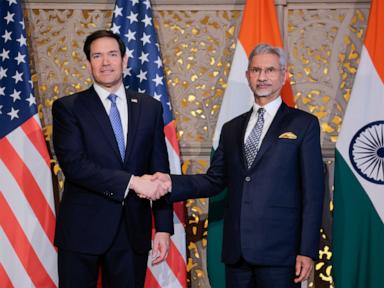
That is precisely why Defence Minister Rajnath Singh’s recent remarks at the Shanghai Cooperation Organisation summit in Dushanbe hit differently. Standing in front of regional leaders, including Pakistan's Deputy Prime Minister Ishaq Dar, Singh didn't mince words. He declared flatly that military confrontation only breeds endless cycles of bloodshed and that dialogue remains the only way out.
You don't need a degree in international relations to see the brutal truth in that statement. Modern warfare doesn't solve disputes anymore; it bankrupts economies, ruins civilian infrastructure, and leaves behind generations of radicalized youth. Yet, global superpowers keep repeating the same tired playbook.
The Real Cost of Ignoring Diplomacy
Let’s look at what actually happens when nations ditch the negotiating table for the battlefield. Defense budgets spike, national debts balloon, and ordinary citizens pay the ultimate price through inflation and disrupted supply chains.
Singh specifically highlighted how transnational threats like terrorism, drug trafficking, and organized crime thrive when governments are too busy fighting each other to cooperate. When you let regional tensions boil over, transnational syndicates exploit the power vacuum. Cross-border trade freezes, commerce stalls, and regional security disintegrates.
It's easy for leaders sitting thousands of miles away from the front lines to view conflicts as chess pieces on a board. But on the ground, the reality is stark. Terrorism doesn't just destroy innocent lives; it starves developing regions of the foreign investment they desperately need to lift people out of poverty.
Why Double Standards on Terror Must End
One of the sharpest points Singh made in Tajikistan was the absolute refusal to tolerate double standards when dealing with terrorism. You cannot fight terror with one hand while funding or harboring extremist outfits with the other.
For decades, regional security frameworks have suffered because certain states play both sides of the fence. They condemn attacks in public while offering safe havens behind closed doors. Singh’s push for a collective dismantling of the entire terrorist ecosystem isn't just diplomatic rhetoric—it's an urgent operational necessity.
If multilateral blocs like the SCO want to be taken seriously, member nations have to stop treating terrorism as a diplomatic bargaining chip. Either security is collective, or it doesn't exist at all.
Economic Pragmatism Over Empty Rhetoric
Beyond security, the summit also focused heavily on the Action Plan for 2026–2030 under the Programme of Multilateral Trade and Economic Cooperation. Singh rightly pointed out that grand declarations mean nothing if you can't fix basic cross-border logistics.
Think about what actually slows down economic growth in Central and South Asia. It isn't a lack of ambition; it's sluggish customs clearance, incompatible regulatory standards, and unpredictable payment systems. If countries want real regional integration, they need to prioritize practical fixes:
- Faster, digitized customs processing at border crossings.
- Mutual recognition of trade and safety standards.
- Reliable digital payment frameworks that bypass Western-dominated sanction bottlenecks.
- Predictable freight corridors that cut transit times down from weeks to days.
India’s willingness to share its homegrown experience in digital public infrastructure and logistics offers a concrete blueprint. But other member states have to match that transparency with actual political will.
Moving Past Historical Friction
It’s also worth noting the deep historical context India brings to Central Asia. Long before modern borders and passport controls divided the region, traders, pilgrims, and scholars moved freely along ancient routes. Singh referenced the ancient Buddhist heritage found in places like Ajina Tepe in southern Tajikistan to remind leaders of those enduring civilisational ties.
When nations remember their shared history, finding common ground on modern trade and security becomes a whole lot easier.
The playbook for global peace hasn't changed. It requires sitting across the table, swallowing pride, and hammering out compromises that neither side loves entirely, but both can live with. Until world leaders internalize the reality that military force is a dead-end street, the world will keep stumbling from one crisis straight into the next.