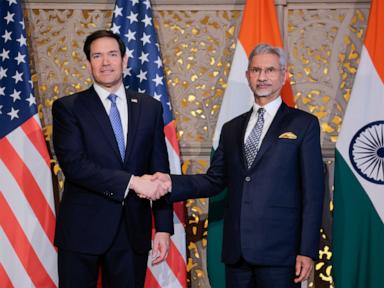
You can't fight terrorism halfway. That was the core message delivered straight to international leaders at the Shanghai Cooperation Organisation summit in Dushanbe. With Pakistan’s Deputy Prime Minister Ishaq Dar sitting just across the room, Indian Defence Minister Rajnath Singh didn't mince words. He called out the entire financial and logistical web that keeps extremist groups alive, demanding that the global community stop treating terror as a localized issue or a tool of convenience.
Let’s be honest about what is happening on the international stage. For years, diplomatic communiques have danced around the root causes of extremism. They condemn attacks after the blood has dried, but they ignore the financing, the safe houses, and the ideological shelter that make those attacks possible in the first place. Singh’s address cut right through that diplomatic fluff. He stated plainly that there are no double standards when dealing with terror. If a country shelters a militant, or looks the other way while funds flow through underground channels, that country is part of the problem.
Breaking Down the Terror Ecosystem
When experts talk about a terrorist network, casual observers often picture a few guys hiding in a cave with rifles. That view is dangerously outdated. Modern extremism operates like a multinational corporation. It has financing arms, recruitment pipelines, logistical supply chains, and digital propaganda machines.
Singh emphasized that you cannot defeat the foot soldier while leaving the bank accounts untouched. Dismantling the ecosystem means choking off three critical lifelines:
- Financial flows: Shutting down Hawala networks, front charities, and illicit cryptocurrency channels used to move operational funds across borders.
- Safe havens: Denying territorial protection or political cover to masterminds who operate with impunity under state patronage.
- Radicalization networks: Stopping the digital and physical pipelines that feed fresh recruits into extremist cells.
Without tackling these systemic roots, any military victory on the ground is just a temporary fix.
The Regional Stakes at the SCO
Why does this matter right now? The Shanghai Cooperation Organisation brings together major Eurasian players, including heavyweights like Russia and China, alongside Central Asian nations. Security in this region is precarious. Drug trafficking from neighboring conflict zones frequently overlaps with terror financing, creating a toxic hybrid threat that feeds instability across borders.
During the summit, member states welcomed structural shifts like making the Universal Centre in Tashkent and the Anti-Drug Centre in Dushanbe permanent bodies. But hardware and bureaucratic offices won't stop traffickers or militants if political will is missing. Singh made it clear that regional connectivity and economic trade—such as the International North-South Transport Corridor—cannot thrive if the underlying security architecture is rotten. You can't build resilient supply chains across borders that are porous to extremist infiltration.
India's Shift from Defense to Deterrence
This wasn't just rhetoric for the cameras. India’s national security posture has undergone a massive transformation over the past decade. Look at the record. Operations like the Balakot airstrikes and cross-border surgical strikes signaled a permanent break from the old playbook of issuing polite demarches after an attack.
Domestic metrics reflect this shift too. Security forces have drastically shortened the operational lifespan of active militants within domestic borders. When the cost of picking up a gun becomes prohibitively high, recruitment dries up. By bringing this uncompromising stance to a multilateral forum like the SCO, New Delhi is signaling to its neighbors that business as usual is over.
Moving Beyond Empty Resolutions
Multilateral summits are famous for generating thick stacks of paperwork that get filed away and forgotten. The real test of the Dushanbe meeting won't be the joint communiqué or the 2026-2030 economic action plan. The real test is whether regional powers will actually crack down on the financial networks and safe havens operating inside their jurisdictions.
Double standards have kept these networks alive for decades. Until every capital agrees that there are no "good terrorists" or strategic assets to be shielded, security summits will just be expensive talking shops. Singh drew a hard line in the sand. Now the rest of the room has to decide which side they are on.