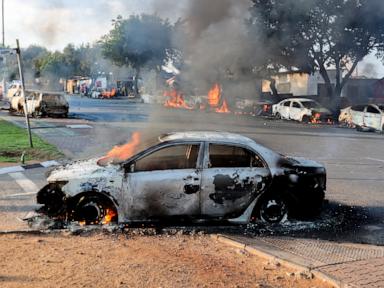
Streets across Soweto and Durban transformed into flashpoints. Vehicles burned. Foreign-owned shops were looted. Gunshots echoed through neighborhoods as anti-migrant demonstrations exploded into outright violence.
If you look closely at what triggered this latest wave of unrest, you'll find a dangerous mix of viral disinformation, soaring unemployment rates, and a misunderstood judicial decision.
South Africa remains a pressure cooker. Nearly three decades after the fall of apartheid, the country struggles with staggering economic inequality. About a third of the workforce sits without a job. Yet, as Africa's largest economic hub, it continues to draw hundreds of thousands of migrants seeking stability. That economic friction creates fertile ground for xenophobic tensions, and things boiled over following a recent Constitutional Court ruling.
The Court Ruling That Started the Fire
Let's clear up what actually happened legally, because social media completely distorted the reality. The Guardian has analyzed this fascinating topic in extensive detail.
The Constitutional Court handed down a ruling addressing access to asylum procedures. That is all it did. It did not grant automatic residency, blanket citizenship, or permanent legal status to anyone. It simply mandated that the state must resume proper administrative processing for asylum seekers.
Protesters heard a completely different story.
Misinformation spread rapidly across digital platforms, claiming the courts had flung open the borders and granted automatic residency to illegal immigrants. Right-wing populist groups and anti-migration militias seized the narrative. They framed the judicial decision as an existential threat to struggling local workers.
Acting Police National Commissioner Lieutenant General Puleng Dimpane confirmed the scale of the immediate fallout. At least 24 vehicles were torched across Soweto and Durban. Mobs targeted foreign-owned businesses, smashing windows and looting inventory while police scrambled to restore order with tear gas and stun grenades.
Why Economic Frustration Drives the Unrest
You can't understand these protests if you ignore the daily reality for millions of working-class South Africans.
When you live in a township with crumbling infrastructure, failing public services, and few prospects for employment, anger looks for an outlet. Populist figures and local agitators frequently point the finger at foreign nationals, blaming them for taking local jobs and straining public hospitals.
It’s an easy narrative to sell, even if economists and policy experts point out that migration often contributes to local economies rather than drains them. When people are desperate, nuance dies. They don't want to hear about GDP contributions or international asylum frameworks. They want to see tangible changes in their own pockets.
The unrest also triggered broader regional ripples. Authorities in neighboring countries reported thousands of citizens fleeing back home due to safety concerns. When violence erupts on this scale, the human cost spills far beyond South Africa's borders.
The Real Danger of Viral Disinformation
We are watching a textbook case of how digital rumors can turn lethal in real life.
A complex legal document about administrative asylum procedures turned into a digital weapon. Bad actors weaponized public frustration, warping a routine constitutional clarification into a call to arms. By the time authorities tried to correct the record, the streets were already burning.
If governments and tech platforms don't figure out how to stop hyper-local viral disinformation, these riots will keep happening. Every economic downturn becomes a tinderbox waiting for a spark from a misleading social media post.
The immediate crisis in Soweto and Durban might fade once heavily armed police flood the streets, but the underlying rot remains. Until South Africa fixes its deep-seated job crisis and builds trust in legal immigration systems, the next flashpoint is only a rumor away.