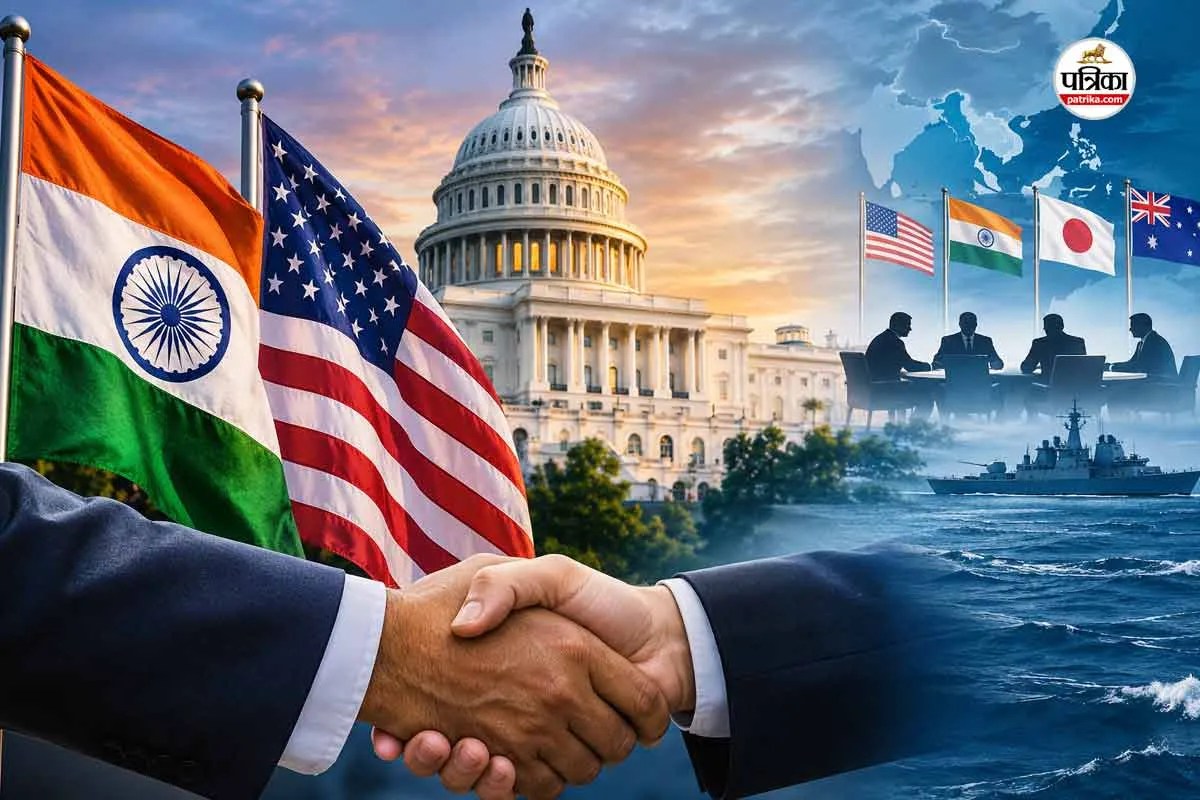
When the dust settled on the 2026 US midterm elections, headline writers rushed to paint a picture of sudden diplomatic gridlock. With Democrats regaining leverage in Capitol Hill while Donald Trump commands the White House, the immediate narrative suggested a geopolitical standstill. That interpretation misses how Washington and New Delhi actually trade influence.
Split control in Washington isn't a crisis for Indian diplomacy. It's a familiar operating environment. Over the last quarter-century, the bilateral relationship between India and the United States has expanded under every possible legislative configuration—Democratic presidents with Republican Congresses, Republican presidents with Democratic majorities, and everything in between. The institutional machinery underpinning this partnership doesn't reset every two years.
The Reality of Capitol Hill Power Shifts
When Congress flips its internal balance, executive power over foreign affairs doesn't vanish, but it gets checked in very specific, predictable places. President Trump retains sweeping constitutional authority over foreign policy execution, defense deployments, and high-level summit diplomacy. However, Congress holds the purse strings and overseas oversight powers.
For India, a divided Washington means managing two distinct centers of political gravity rather than one single phone call to the Oval Office.
                               ┌────────────────────────────────────────┐
                               │       WASHINGTON POWER STRUCTURE       │
                               └───────────────────┬────────────────────┘
                                                   │
                         ┌─────────────────────────┴────────────────────────┐
                         ▼                                                  ▼
             ┌──────────────────────┐                           ┌──────────────────────┐
             │   EXECUTIVE BRANCH   │                           │   LEGISLATIVE BRANCH │
             │     (White House)    │                           │    (Capitol Hill)    │
             └──────────┬───────────┘                           └──────────┬───────────┘
                        │                                                  │
       ┌────────────────┴────────────────┐                ┌────────────────┴────────────────┐
       ▼                                 ▼                ▼                                 ▼
┌──────────────┐                 ┌──────────────┐  ┌──────────────┐                 ┌──────────────┐
│ Strategic    │                 │ Executive    │  │ Budgeting    │                 │ Human Rights │
│ Summits      │                 │ Orders       │  │ & Tariffs    │                 │ Oversight    │
└──────────────┘                 └──────────────┘  └──────────────┘                 └──────────────┘
The executive branch drives immediate strategic maneuvers—such as bilateral summits and Indo-Pacific naval postures—while the legislative branch controls trade legislation, oversight hearings, defense appropriations, and immigration caps.
Trade Pressure and Tariff Challenges
Trade friction has consistently generated heat between Washington and New Delhi. Under unilateral executive actions, tariff threats often emerge quickly. A more assertive Congressional opposition creates a counterweight to sudden, sweeping trade penalties.
Democratic lawmakers traditionally focus on labor standards, environmental metrics, and regulatory predictability. While those demands bring their own negotiating friction, they also subject executive trade actions to intense committee scrutiny. Indian exporters dealing with pharmaceuticals, information technology services, and textiles gain a more structured, rule-based forum on Capitol Hill to voice concerns rather than facing unpredictable executive decrees.
Defense Procurement and Technological Ties
Defense cooperation remains the strongest structural pillar of India-US relations. Major initiatives—including the Initiative on Critical and Emerging Technology (iCET)—rely on long-term institutional alignment that transcends party lines.
Key defense platforms and joint development projects require Congressional notifications and budget authorizations. Representatives from both parties recognize India’s essential role in balancing regional dynamics in Asia. Because defense hardware sales support domestic US manufacturing jobs across multiple congressional districts, bipartisan backing for military-technical transfers to India remains exceptionally durable.
┌─────────────────────────────────────────────────────────────────────────────────┐
│                     BILATERAL POLICY FRICTION VS ALIGNMENT                      │
├───────────────────────────────┬─────────────────────────────────────────────────┤
│ Policy Area                   │ Operational Dynamics Under Split Power          │
├───────────────────────────────┼─────────────────────────────────────────────────┤
│ Defense & Technology (iCET)   │ High bipartisan support; steady joint transfers │
│ Indo-Pacific Security (QUAD)  │ Sustained consensus across both parties          │
│ Tariff & Trade Enforcement    │ Executive pressure offset by legislative reviews│
│ H-1B & Specialized Visas      │ High Congressional debate; procedural delays    │
│ Russian Energy Imports        │ Selective sanctions scrutiny from Capitol Hill  │
└───────────────────────────────┴─────────────────────────────────────────────────┘
QUAD Diplomacy and the Indo-Pacific Strategy
Questions routinely surface regarding whether shifting congressional majorities weaken multilateral groupings like the QUAD (comprising India, the US, Japan, and Australia). The reality is the exact opposite.
The rationale for the QUAD is rooted in geographic and economic realities across the Indo-Pacific, not in party platforms. The imperative to keep sea lanes open and supply chains diversified exists regardless of who controls the US House of Representatives or the Senate.
                    ┌──────────────────────────────────────────────┐
                    │            INDOS-PACIFIC FRAMEWORK           │
                    └──────────────────────┬───────────────────────┘
                                           │
         ┌───────────────────┬─────────────┴─────────────┬───────────────────┐
         ▼                   ▼                           ▼                   ▼
  ┌─────────────┐     ┌─────────────┐             ┌─────────────┐     ┌─────────────┐
  │    INDIA    │     │  AUSTRALIA  │             │    JAPAN    │     │UNITED STATES│
  └──────┬──────┘     └──────┬──────┘             └──────┬──────┘     └──────┬──────┘
         │                   │                           │                   │
         └───────────────────┴─────────────┬─────────────┴───────────────────┘
                                           ▼
                            ┌──────────────────────────────┐
                            │      MARITIME SECURITY       │
                            │   SUPPLY CHAIN RESILIENCE    │
                            │   CRITICAL INFRASTRUCTURE    │
                            └──────────────────────────────┘
While presidential agendas dictate the timing of leaders' summits, Congressional committees consistently vote to fund maritime security initiatives, joint naval exercises like Malabar, and infrastructure development funds across South and Southeast Asia.
Managing Russia Energy Logistics and Global Alliances
One area where split power introduces immediate tactical nuance is energy diplomacy. New Delhi's procurement of discounted Russian crude oil has drawn criticism from various quarters in Washington.
With Democrats controlling key congressional committees, oversight on global sanctions compliance intensifies. However, pragmatic foreign policy experts in both parties understand the broader mechanics of global oil markets: if Indian refiners stopped processing Russian crude, global supply would tighten dramatically, driving up gas prices at American pumps. Indian diplomats must clearly communicate this market reality to both Capitol Hill staffers and White House officials to avoid punitive legislative amendments.
Navigation of Immigration and H-1B Visa Policies
High-skilled immigration stays near the top of the agenda for Indian IT services and corporate workers. Executive actions can alter processing speeds, fee structures, and administrative hurdles for H-1B and L-1 visas overnight.
A divided Congress usually slows down sweeping statutory changes to immigration law, preventing drastic restrictive overhauls. At the same time, it makes comprehensive immigration reform unlikely. Indian tech firms and skilled professionals should expect the baseline status quo to hold, requiring careful administrative compliance rather than bracing for sudden statutory shutdowns.
Steps for Indian Foreign Policy Makers
Navigating a dual-power Washington requires proactive strategic adjustments rather than passive waiting.
- Expand Congressional Outreach Beyond Leadership: Focus engagement directly on second- and third-term members of the House Foreign Affairs, Armed Services, and Ways and Means committees. Legislative staffers draft the policy amendments that directly impact bilateral commerce.
- Leverage the Indian-American Diaspora: The growing political footprint of Indian-Americans across state legislatures and federal districts provides a natural strategic bridge. Engaging local business councils strengthens grass-roots economic arguments for Indian investment in US states.
- De-couple Defense from Commercial Spats: Maintain clear division between ongoing trade negotiations and strategic defense integration. Ensuring that industrial technology sharing moves forward independently of tariff disputes prevents tactical disagreements from stalling critical security partnerships.
- Articulate Global Supply Chain Value: Present India's industrial and technological expansion not as a competitive threat to US labor, but as the premier alternate manufacturing hub necessary for supply chain security.
Split authority in Washington isn't a barrier to effective diplomacy—it's simply a dynamic environment that rewards clear, consistent engagement across the entire political spectrum.