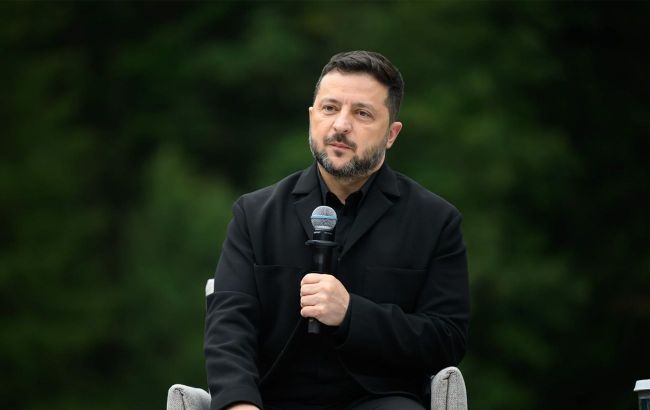
High-stakes diplomacy rarely happens in a vacuum. When Ukrainian President Volodymyr Zelenskyy heads to Oslo for peace talks with US special envoy Steve Witkoff and European leaders, it marks a critical flashpoint in the grinding Russia-Ukraine war. Donald Trump's son-in-law Jared Kushner is slated to join remotely due to illness, adding an unorthodox back-channel dynamic to negotiations that are already fraught with tension.
You aren't reading about a routine diplomatic handshake here. Relations between Washington and Kyiv have frayed significantly over arms deliveries, intelligence sharing, and restrictions on Elon Musk's Starlink and Starshield services. Trump has openly castigated Zelenskyy, questioning his willingness to end the conflict and even easing sanctions on Russian diesel exports to curb surging energy prices tied to the US-Israel war on Iran.
Let's look at what's really driving this pressure cooker.
The Friction Points Behind Closed Doors
Negotiating tables don't build themselves out of goodwill. They get forced into existence by military friction and economic exhaustion.
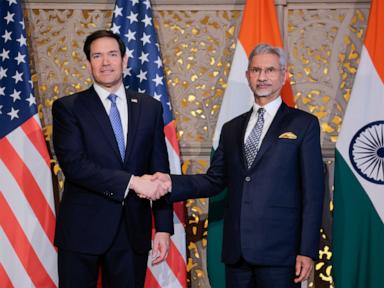
Before touching down in Norway, Zelenskyy held what he described as a substantive conversation with US Secretary of State Marco Rubio. The agenda? Crucial US-made Patriot missile interceptors, intelligence-sharing protocols, and bandwidth constraints on SpaceX's military-grade internet network, Starshield. Ukraine relies heavily on Starshield for battlefield coordination and drone operations. When those speeds drop, front-line units feel the immediate, lethal pinch.
Yet, Washington's stance has hardened. Trump wants results and he wants them fast, viewing protracted military aid commitments with mounting frustration. Zelenskyy, on the other hand, calls the recent diesel sanction waivers a reward for Vladimir Putin.
What European Leaders Bring to the Table
With the prime ministers of Norway and Finland attending the Oslo discussions, European stakeholders are stepping up to bridge the widening gap between Kyiv and Washington. Finland's recent defense posture adjustments—including pushing for large-scale landmine acquisitions to secure its own Russian border—demonstrate how deeply anxious Nordic nations are about regional security.
European capitals understand a simple reality. If US support fractures or gets transactionalized entirely around short-term energy prices, European security architectures take a massive hit. Having Norwegian and Finnish leadership in the room adds a layer of regional pragmatism that Washington's envoys cannot easily dismiss.
The Ground Reality Doesn't Pause for Diplomacy
While politicians talk in Oslo, the war continues with brutal momentum.
Russian ballistic missile and drone attacks strike infrastructure daily. A recent drone strike on the highway connecting Kyiv to the Black Sea port of Odesa killed three people and injured four. Energy infrastructure takes a constant beating, leaving tens of thousands of families in the Odesa region without electricity thanks to targeted hits on DTEK facilities.
Meanwhile, Ukrainian counter-strikes hit oil pumping stations inside Russia, such as the recent drone fire reported in Tambov Oblast by governor Yevgeny Pervyshov.
This background noise of destruction defines the urgency of the Oslo summit. Neither side holds a military monopoly on victory, but economic pressures and shifting political winds in Washington mean that holding out indefinitely is no longer a viable strategy for Kyiv.
Where This Leads Next
If you're tracking how this war might wind down, watch the concrete deliverables coming out of Norway. Pay attention to whether Patriot missile deliveries resume, whether Starshield speeds are restored to full operational capacity, and how Witkoff and Kushner's back-channel messaging translates into actual policy shifts.
The rhetoric will stay sharp. The battlefield will stay violent. But the architecture of a negotiated settlement is being hammered out right now, whether the combatants like the terms or not.