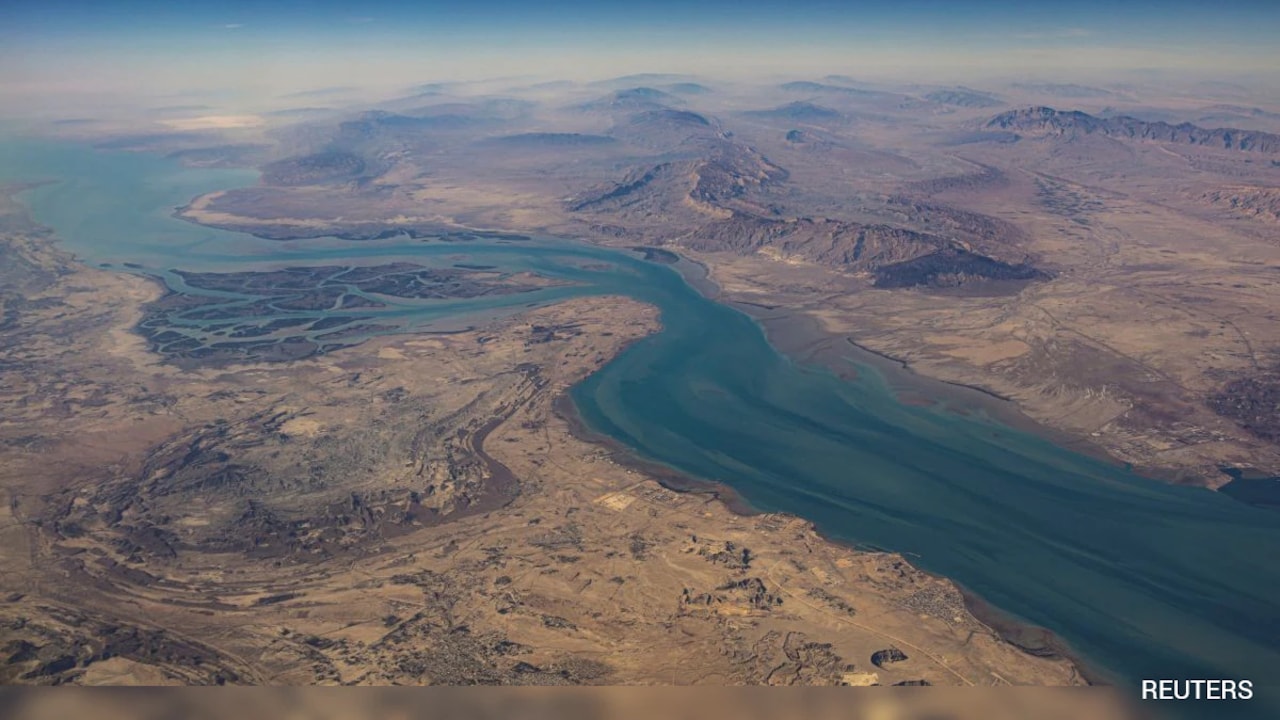
The narrow shipping lane separating the Persian Gulf from the Gulf of Oman carries a massive percentage of the world's petroleum. When things go wrong there, the entire globe feels the shockwaves instantly.
Recent reports from the Iranian Revolutionary Guards indicate that two oil tankers were targeted and set ablaze using naval mines in the southern sector of the Strait of Hormuz. Tehran claims these vessels violated maritime regulations. Regardless of the diplomatic rhetoric, this flashpoint highlights a terrifying reality for energy markets. A single bottleneck can choke off international trade within hours.
You cannot look at this incident in isolation. It is part of a decades-long chess match over maritime boundaries, economic sanctions, and military posturing. If you trade commodities, run logistics, or simply pay for fuel at the pump, you need to understand why this specific piece of water dictates global economics.
The Geography of Vulnerability
Geography is destiny. The Strait of Hormuz is barely 21 miles wide at its narrowest point, and the inbound and outbound shipping lanes are only two miles wide each. That leaves a tiny buffer zone sitting squarely inside Omani territorial waters.
When regional tensions spike, military forces do not need sophisticated technology to disrupt traffic. Simple naval mines, fast attack craft, and shore-based missile batteries create immense operational hazards for commercial shipping companies. Insurance rates skyrocket overnight. Tanker captains face impossible choices.
I have watched maritime risk analysts sweat over this corridor for years. Tankers moving crude oil from Saudi Arabia, the United Arab Emirates, Kuwait, and Iraq have zero alternative routes of comparable scale. Pipelines exist, but they cannot handle the sheer volume of oil that moves through these waters every single day.
Understanding the Legal Gray Areas
What constitutes a "violating" vessel in contested waters? That depends entirely on who you ask.
Under the United Nations Convention on the Law of the Sea, international straits used for navigation are subject to transit passage rights. Ships have the right to navigate freely through these corridors without undue interference from riparian states. Tehran, however, maintains a different interpretation, often arguing that foreign warships and commercial vessels must adhere strictly to its domestic security protocols when passing through its claimed maritime zones.
This legal ambiguity is dangerous. It gives state actors a convenient pretext to intercept, board, or attack shipping traffic under the guise of enforcing border security. When naval mines are deployed against commercial vessels labeled as violators, the line between law enforcement and an act of war blurs completely.
What This Means for Global Markets
Markets hate uncertainty. As soon as news breaks of tankers burning in the Strait of Hormuz, futures contracts for crude oil jump. Traders start pricing in worst-case scenarios immediately.
Think about your daily expenses. Higher crude prices translate directly into expensive gasoline, soaring airline ticket costs, and inflated prices for manufactured goods that rely on petrochemicals or global shipping networks. A security incident thousands of miles away alters your household budget within days.
Major importing nations like China, Japan, and European countries depend heavily on Persian Gulf energy exports. Any prolonged disruption forces governments to tap into emergency strategic petroleum reserves or scramble for alternative suppliers. Supply chains that are already fragile cannot absorb sustained blockages without triggering severe economic slowdowns.
Navigating the Future of Maritime Security
What can energy markets and shipping companies do to protect themselves against these recurring crises?
First, logistics operators are investing heavily in real-time tracking, satellite surveillance, and private security details to monitor hostile zones. Second, governments are pushing for diplomatic backchannels to prevent minor navigational disputes from escalating into full-scale military engagements.
Yet, technology and diplomacy have limits. As long as geopolitical rivalries persist in the Middle East, the Strait of Hormuz remains a loaded weapon pointed straight at the global economy. Keep a close eye on insurance premiums, naval deployments, and policy shifts in Washington and Tehran. That is where the real story unfolds.