Tear gas fills the air in Tirana. Riot police hold their ground against furious crowds hurling Molotov cocktails.
If you look at the headlines, you'll see another generic report about clashes in Albania's capital. But you won't get the full story unless you understand what's actually boiling beneath the surface. This isn't just a spontaneous riot. It's the culmination of mounting anger over economic pressures, stalled reforms, and deep-seated political fatigue that has gripped the country for years.
Let's break down why these demonstrations are shaking the Balkans and what's driving protesters to risk everything on the streets.
The Breaking Point in Tirana
The unrest didn't appear out of nowhere. For days, thousands of demonstrators—led heavily by university students—have occupied major thoroughfares in Tirana. They aren't just chanting slogans. They're demanding the resignation of Prime Minister Edi Rama, pointing directly at skyrocketing tuition fees, crumbling campus infrastructure, and pervasive corruption that makes upward mobility feel impossible for young Albanians.
When you talk to locals on the ground, the frustration is palpable. Jobs are scarce, living costs are climbing, and young professionals are leaving the country in droves.
Months of prior antigovernment anger—sparked initially by controversial domestic and foreign development projects—have coalesced into this massive student-led movement. When authorities respond with water cannons, tear gas, and mass detentions, the crowds don't scatter. They push back harder.
What Triggered the Latest Escalation?
Protests are common in Albanian politics, but this wave feels different. Why? Because the economic squeeze has crossed a red line.
- Tuition and Campus Conditions: Students have spent years demanding better funding for public universities, arguing that dilapidated dorms and soaring fees lock working-class families out of higher education.
- Economic Despair: Inflation and high property costs in Tirana have left many feeling priced out of their own country.
- Corruption Allegations: Trust in public institutions remains near rock bottom, with demonstrators accusing leadership of favoring elite development over public welfare.
When peaceful marches repeatedly hit a wall of government indifference, demonstrations inevitably turn confrontational. Barricades made of burning bins and flying projectiles have become the visual language of a populace that feels ignored.
The Broader Political Cost
Prime Minister Rama's administration faces its toughest domestic test in recent memory. While the government attempts to frame the unrest as politically motivated agitation engineered by opposition parties, independent observers point out that the core grievances are entirely organic.
Young Albanians are voting with their feet—either by emigrating to Western Europe or by taking to the asphalt with smoke bombs and flags.
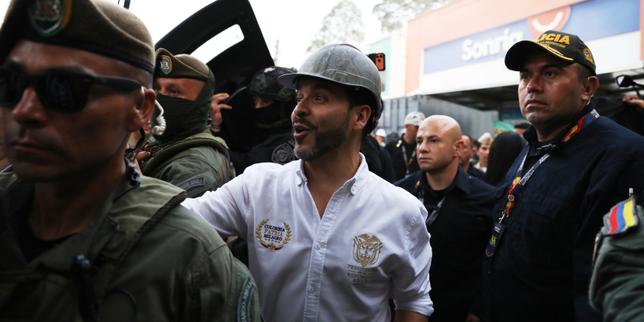
The images coming out of Tirana—police officers aiming crowd control weapons, demonstrators hurling back tear gas canisters, and massive Albanian flags waving through the haze—tell a story of a fractured social contract.
Where Does Albania Go From Here?
Street clashes rarely solve complex governance crises overnight. If the administration simply relies on police crackdowns, the anger will only burrow deeper underground. Real de-escalation requires structural reforms, genuine dialogue with student leaders, and accountability measures that address the economic bleeding.
Until then, the standoff in Tirana serves as a stark reminder. You can't ignore the youth of a nation forever without eventually facing them in the streets.