When the lights went out across Sri Lanka on October 17, 2026, plunging millions into darkness for more than five hours, grid operators didn't just look at coal plants for answers. They looked at rooftops.
As the national power system struggled to recover, authorities issued an emergency directive asking rooftop solar operators to switch off their systems immediately. It wasn't the first time. During a previous failure in February 2025, distributed solar installations faced similar scrutiny.
The message is clear. Pumping gigawatts of green energy into homes is easy, but keeping the grid stable while doing it is an entirely different battle. For India, which is aggressively scaling its own rooftop solar push with capacity crossing 33 gigawatts, this island nation crisis offers a hard-hitting warning.
The Hidden Vulnerability of Distributed Generation
We talk endlessly about solar capacity milestones. We celebrate every megawatt added to residential rooftops. But we rarely discuss what happens when millions of independent power generators react simultaneously to a minor grid hiccup.
In Sri Lanka, the chain reaction started when a coal-fired generation unit at Norochcholai tripped during maintenance. That initial loss shook a power network already carrying high volumes of renewable energy. As grid frequency dipped, a massive wave of rooftop solar systems disconnected automatically.
That sudden drop in generation worsened the supply deficit. Conventional power plants couldn't ramp up fast enough to fill the void, turning a manageable glitch into a full-scale blackout.
The problem isn't that solar power is bad. The problem is visibility and control. Traditional power stations answer directly to a central dispatcher. Rooftop solar arrays, scattered across thousands of residential roofs, operate largely out of sight. Grid operators can't see them, can't meter them in real-time, and certainly can't command them easily during an emergency.
Why Inverter Settings Matter More Than You Think
When grid frequencies swing, solar inverters are supposed to stay online. Utilities use technical standards known as low-voltage and frequency ride-through settings. These features allow solar systems to weather short-lived disturbances without panicking and shutting down.
Yet, reports following Sri Lanka's energy troubles revealed a glaring compliance gap. Less than half of the installed rooftop solar capacity had adopted these updated protection settings. Older hardware, outdated firmware, and lax enforcement left the grid vulnerable.
When a frequency dip hit, non-compliant inverters tripped en masse. Instead of cushioning the blow, they pulled the rug out from under the grid.
India faces a similar hurdle. Millions of residential and commercial rooftop systems have popped up under various subsidy schemes. While standard guidelines exist, ensuring that every installer configures and updates inverter firmware properly is a massive regulatory headache. If an older system lacks ride-through capabilities, it becomes a liability the moment the grid stumbles.
Lessons for India's Solar Expansion
India's renewable energy ambitions are massive. Rooftop solar is a central pillar of this strategy, empowering households to generate their own clean electricity and slash bills. But sheer volume brings structural risk.
To avoid stumbling into the same trap as its neighbor, India's power sector needs to rethink how it manages decentralized energy.
- Enforce Rigorous Inverter Compliance: Setting rules on paper isn't enough. Distribution companies must audit existing and new rooftop installations to ensure inverters are equipped with modern ride-through software.
- Upgrade Grid Visibility: Utilities need smart metering and real-time telemetry for distributed solar assets. Blind spots in grid management are dangerous when solar penetration hits double digits.
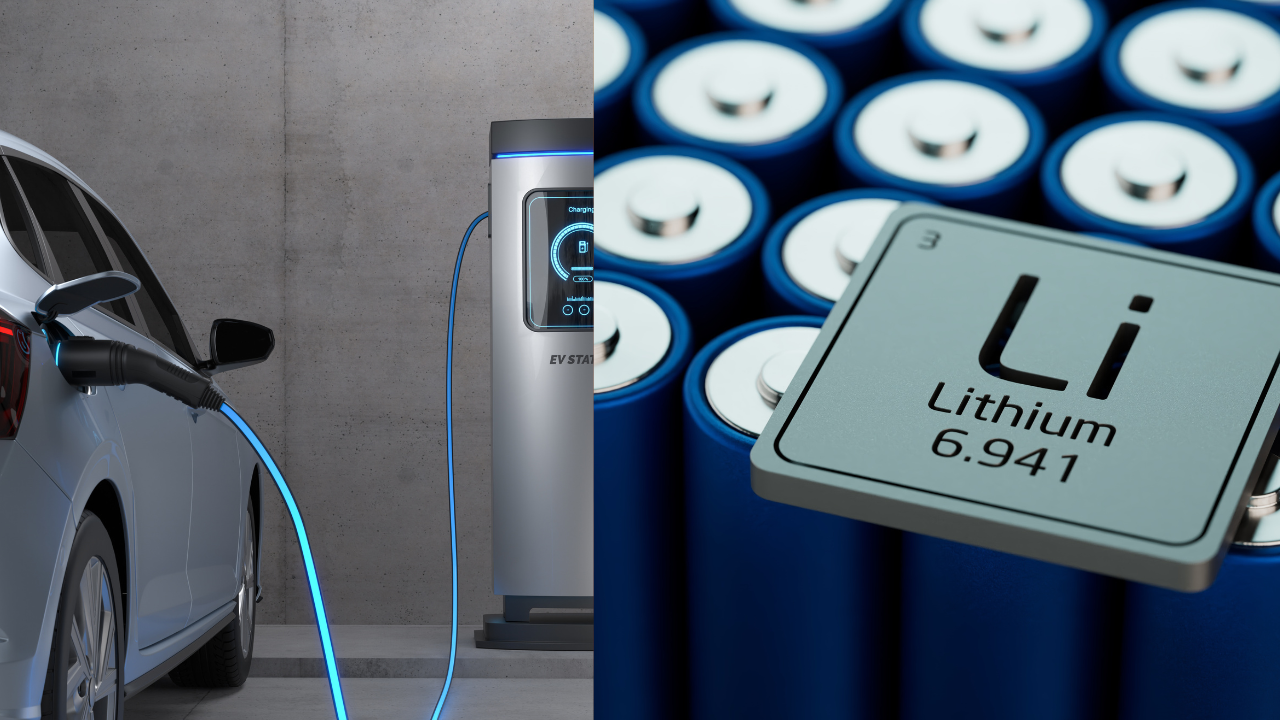
- Integrate Storage Mandates: Pairing rooftop solar with battery storage helps absorb surplus daytime energy and smooths out generation spikes, reducing sudden shocks to the transmission network.
- Plan for Grid Restoration: Black-start protocols must account for how thousands of automated rooftop systems will attempt to reconnect once power comes back online, preventing secondary trips.
Adding solar panels to rooftops is only half the job. Building a resilient electrical network capable of absorbing that power without collapsing is the real test. India has the momentum; now it needs the operational discipline.