When bullets start flying near a busy junction, political shockwaves follow instantly. That is exactly what happened when two Palestinian gunmen opened fire near Yehuda Junction close to Hebron, wounding five people and setting off an intense, chaotic exchange of gunfire that lasted over twenty minutes.
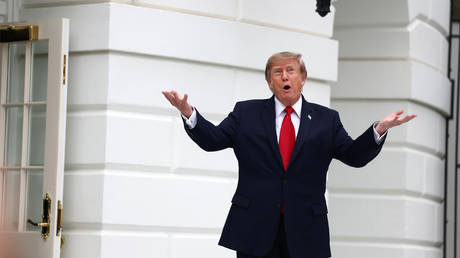
Prime Minister Benjamin Netanyahu didn't wait for dust to settle. He called an emergency security cabinet meeting, pointed the finger straight at Hamas, and ordered an immediate, sweeping lockdown of the occupied West Bank alongside a total seal-off of Hebron.
If you are trying to understand what this closure means on the ground, let's skip the sanitized press releases. The reality is messy, tense, and deeply disruptive for millions of people.
Inside the Security Response
The immediate fallout from the Hebron attack triggered a massive military escalation across the southern West Bank. According to the Israel Defense Forces, the two attackers arrived by car near Kiryat Arba, opened fire on civilians and soldiers, and were subsequently killed in a firefight.
Following the incident, the military's response shifted into high gear:
- Hebron was cordoned off completely, with residents restricted to exiting through just three designated checkpoints after rigorous security screening.
- Troops launched wide-scale house-to-house raids and arrest operations, targeting local infrastructure.
- Chief of Staff Eyal Zamir claimed that a large cache of ammunition was recovered from the vehicle, suggesting the attackers planned a much larger assault.
Netanyahu asserted that the strike was part of a broader conspiracy by militant groups aiming to destabilize the region ahead of upcoming elections. However, critics and international bodies have pointed out that sweeping closures punish entire civilian populations for the actions of individuals.
The Human Cost and Movement Restrictions
A full lockdown in the West Bank is not just a line on a map. It creates an immediate humanitarian pinch. Movement grinds to a halt. Thousands of Palestinian workers who depend on daily transit find themselves stuck behind locked gates or subjected to punishing delays at checkpoints.
At the same time, life inside the territory remains starkly divided. While Palestinian residents face strict isolation and intensive searches, Israeli settlers and drivers can still navigate many regional roads, though they face heightened security warnings and delays.
The United Nations Office for the Coordination of Humanitarian Affairs has repeatedly flagged the compounding pressures in the region. Between ongoing military raids, settler violence, and sudden closures, daily life for ordinary Palestinians has become an exercise in extreme survival.
Why This Escalation Matters Now
Timing is everything in geopolitics. This shooting and the subsequent lockdown arrive during a period of extreme volatility. Tensions across the West Bank have been simmering for months, fueled by thousands of settler incidents and frequent military incursions that have displaced vulnerable communities in areas like Masafer Yatta.
When leadership responds to localized violence with sweeping collective restrictions, it rarely cools down the temperature. Instead, it deepens resentment, paralyses local economies, and guarantees that the next flashpoint is only a matter of time.
Keep an eye on the checkpoints, the humanitarian reports from organizations on the ground, and the shifting political rhetoric. The headlines might move on to the next crisis tomorrow, but the people living behind those newly sealed gates will feel the consequences for weeks.