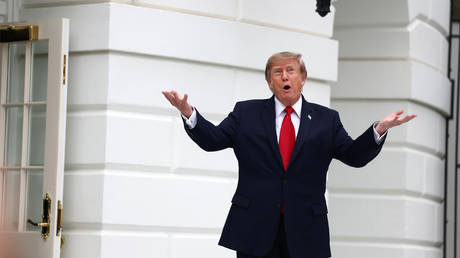
Trade policy rarely moves by accident. When President Donald Trump announced a partial roll-back of hefty 50 percent tariffs on select Canadian imports, the timing raised eyebrows from Washington to Ottawa. The adjustment hits just two weeks before the November 3 midterm elections.
For vulnerable Republicans facing tough battles in northern border states, the timing is everything.
Look closely at the map. Maine shares a long, deeply integrated economic border with Canada. Local businesses, farmers, and forestry operations took a heavy hit when broad duties were slapped on roughly $20 billion worth of Canadian goods earlier in the year. Now, as Republican Senator Susan Collins fights for her political survival against Democratic challenger Troy Jackson, the White House is throwing her a lifeline.
Politics dictates policy. This move shows how quickly broad economic stances bend when ballot boxes are on the line.
Who Gets Relief and Who Gets Left Out
The White House adjustment isn't a total surrender on trade protectionism. Starting October 30, certain Canadian goods will slip past the 50 percent wall.
The exemptions cover specific items:
- Plywood sheets
- Packing crates
- Selected paper products
- Certain machinery and refrigeration equipment
Senator Collins wasted no time taking credit. She stated that she personally lobbied top trade officials, including Commerce Secretary Howard Lutnick and U.S. Trade Representative Jamieson Greer. According to Collins, the push secured vital exemptions for Maine's signature agricultural sectors. Blueberry growers, potato farmers, apple producers, and seaweed harvesters rely heavily on cross-border equipment and packaging materials that simply don't have domestic American equivalents at a comparable price.
Yet, don't mistake this for a total peace treaty. The administration simultaneously introduced brand-new duties on other Canadian goods like carpets, specific industrial valves, and waste products. The trade war hasn't ended. It's just been re-engineered for domestic political impact.
The Maine Battleground Dynamics
Why does Maine matter so much? Because control of Congress is hanging by a thread.
Democrats are gunning for Republican seats to flip the legislature. Maine represents one of those high-stakes arenas where local economic pain directly threatens a congressional incumbent. When sweeping tariffs triggered retaliatory counter-tariffs from Ottawa—hitting U.S. steel, dairy, and electronics—border state economies felt the squeeze immediately.
Voters don't care about abstract trade theory when their operational costs double overnight. They care about bottom lines.
Collins faced a relentless campaign highlighting how Washington's trade fights were hurting local livelihoods. By delivering targeted relief right before early voting peaks, the administration hopes to neutralize her opponents' strongest economic argument. It's a classic political calculation: absorb minor friction on overall trade strategy to protect a crucial Senate seat.
What Comes Next for U.S.-Canada Trade
Trade watchers should look past the campaign rhetoric. While these narrow exemptions offer temporary breathing room for Maine’s agricultural producers, the broader trade conflict with Canada remains volatile.
President Trump indicated that negotiations for a broader arrangement with Ottawa are moving forward, but foundational friction points haven't vanished. Businesses relying on cross-border supply chains can't breathe easy yet. Temporary exemptions can just as easily turn into new restrictions once the ballots are counted.
If you run a business caught in the crossfire of shifting tariffs, stop planning around stable policy. Build flexibility into your supply chain now, because political timelines dictate trade rules more than economic logic ever will.